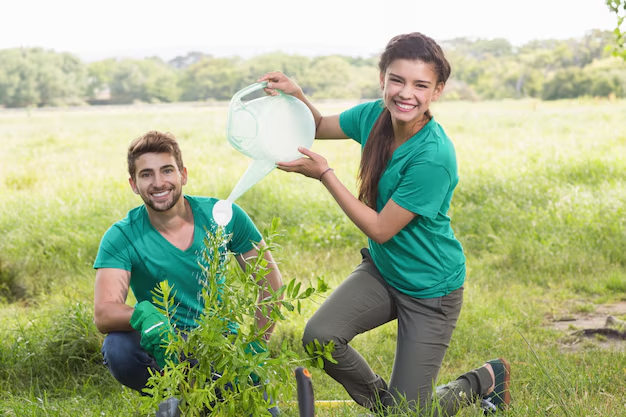
Summer Watering Tips to Save Water and Keep Your Plants Alive
Keeping a lawn and garden alive in summer heat can feel like a full‑time job. At the same time, many people want (or are required) to cut back on water use. The good news: you often don’t need more water — you need smarter watering.
This guide walks through practical summer watering tips that help you use less water while giving plants what they actually need. Which tips matter most for you depends on your climate, soil, watering tools, and plant types, so you’ll see a lot of “it depends” with clear explanations.
How Summer Heat Changes Your Plants’ Water Needs
Before changing how you water, it helps to understand what’s actually happening in hot weather.
What heat and sun do to soil and plants
In summer, three forces pull water away from your garden:
- Evaporation – water leaving the soil surface into the air
- Transpiration – water moving through plant leaves and out into the air
- Runoff – water that never soaks in and just flows away
Hot, dry, windy conditions speed all three up. That’s why a lawn that was fine with occasional spring rain may struggle in a dry, windy July.
Key variables that change your watering pattern
How often and how deeply you’ll need to water in summer depends on:
- Climate
- Hot, dry areas: faster evaporation; soil dries quickly
- Humid areas: slower evaporation but higher disease risk if foliage stays wet
- Coastal or mild climates: often need less frequent watering
- Soil type
- Sand: drains fast, dries quickly, usually needs more frequent, lighter watering
- Clay: holds water longer but absorbs it slowly; needs slower, deeper watering
- Loam (a mix): the “in-between” that many gardeners aim for
- Sun exposure
- Full sun beds and south/west‑facing spots bake faster
- Shady or north‑facing areas often stay moist longer
- Plant type and age
- Shallow‑rooted annuals and new plantings dry out quickly
- Deep‑rooted shrubs, trees, and established perennials tolerate longer gaps
You don’t have to pin down exact numbers for your yard. But knowing where you are on these spectrums helps you choose which tips matter most.
When Is the Best Time to Water in Summer?
Early morning vs. evening vs. mid‑day 🌅
Best in most climates: early morning
- Cooler temperatures and lower wind mean less water lost to evaporation
- Leaves dry out during the day, lowering disease risk
- Plants are hydrated before the hottest part of the day
Evening: sometimes okay, sometimes risky
- Cooler temps reduce evaporation
- But foliage may stay wet all night, which can increase fungal disease on lawns, roses, and some vegetables
- Works better in dry climates where things dry quickly even overnight
Mid‑day: usually the worst choice
- More water evaporates before it can soak in
- Water droplets on leaves don’t typically “burn” them, but roots may not get enough
- Sometimes unavoidable in extreme heat for containers, but usually not ideal
What to evaluate for your yard:
- Are fungal diseases a common issue where you live?
- Do you have flexibility in your schedule for early morning watering?
- Is your climate so hot and dry that evening watering still allows quick drying?
How Much and How Often Should You Water in Summer?
There is no single “right” schedule for everyone. Watering needs fall on a spectrum, shaped by your situation.
Deep and infrequent vs. shallow and frequent
In general, lawns and garden beds do better with deep, less frequent watering:
- Encourages deep root growth
- Makes plants more drought‑resilient
- Reduces time and water wasted on surface evaporation
But there are exceptions, especially in light, sandy soil or for small containers, which simply can’t hold much water.
Typical patterns (not prescriptions)
| Situation | Tends toward… | Key reason |
|---|---|---|
| Established lawn in decent soil | Deeper, less frequent | Train roots to go deeper |
| New sod/seed | Lighter, more frequent | Shallow roots at first |
| Big in‑ground shrubs and trees | Infrequent but very deep | Large, deep root systems |
| Small pots and hanging baskets | Frequent, often daily in heat | Tiny soil volume, dries very quickly |
| Raised beds with rich soil | Moderate frequency, deepish | Good drainage but can dry from all sides |
How to tell if you’re watering “enough”
Instead of chasing a single number of minutes, focus on what’s happening below the surface:
- Finger test:
- Push your finger into the soil a couple of inches (deeper if you can).
- If it’s dry down there, it’s time to water. If it’s moist, you can often wait.
- Screwdriver or small trowel test:
- Push it into the soil after watering.
- It should go in relatively easily down to several inches, and you should see moisture along that depth.
- Plant signals:
- Some midday wilting in extreme heat can be normal as plants protect themselves, especially if they perk back up in the evening.
- Crispy leaves, ongoing droopiness, and browning edges often signal longer‑term water stress.
What “deep” means will vary with your soil and plants, but the goal is the same: moisture in the root zone, not just on the surface.
Smarter Ways to Water Lawns in Summer
Summer is when most people use the most outdoor water on their lawns. Small changes can make a big difference.
Adjust your mowing height
Taller grass:
- Shades the soil, slowing evaporation
- Encourages deeper roots
- Competes better with weeds
Many warm‑season and cool‑season grasses tolerate being mowed a bit higher in summer than in spring. You don’t need to memorize exact heights; the key is:
- Don’t scalp the lawn
- Aim for removing no more than about one‑third of the grass blade at a time
Water less often, more deeply (where possible)
If your local rules and soil allow, lawns usually benefit from:
- Fewer watering days, but
- Longer run times to soak the soil more deeply
The specifics depend heavily on:
- Soil type (clay vs. sand vs. loam)
- Sprinkler output and coverage
- Local watering restrictions
Use the “cycle and soak” method
On sloped lawns or clay soil, watering for a long time at once can cause runoff. The “cycle and soak” approach helps:
- Run each zone for a shorter cycle (enough to moisten the surface).
- Turn it off and let the water soak in.
- Run another short cycle, repeating until the soil is moistened to root depth.
This method reduces wasted water running down sidewalks and into drains.
Decide whether to “babysit” the lawn or let it go dormant
In many areas, lawns can go dormant (brown) in summer and green back up in cooler, wetter seasons. Some homeowners accept this to save water.
Factors to think about:
- Type of grass: Some species handle dormancy better than others.
- Local rules and expectations: Some neighborhoods or HOAs expect summer green.
- Your use of the lawn: If kids, pets, or events rely on turf, you might keep it more actively watered.
If you do allow dormancy, lawns often still need occasional “survival” watering to keep roots alive, though this is usually much less than growth‑level watering.
Watering Garden Beds Efficiently
Flower and vegetable beds often reward targeted watering far more than lawns do.
Aim water at the roots, not the leaves
Most plants prefer water at the soil level, not sprayed over the leaves:
- Soaker hoses and drip irrigation deliver water slowly and directly to the root zone.
- Hand watering with a gentle wand aimed at the base of plants is another option.
Benefits:
- Less water lost to evaporation and wind
- Fewer leaf diseases for many plants
- More consistent moisture where roots can actually use it
Group plants by water needs
If you plant thirsty flowers next to drought‑tolerant shrubs, you almost always over‑water one and under‑water the other.
When planning or adjusting beds:
- Put high‑water plants (like many vegetables and annual flowers) together.
- Group low‑water plants (like many Mediterranean herbs and native perennials) together.
- This lets you water by zone, not by individual plant.
Consider mulching to cut water loss 🌿
A layer of mulch around plants can:
- Shade the soil
- Reduce evaporation
- Keep roots cooler
- Suppress weeds (which also steal water)
Common mulch options and trade‑offs:
| Mulch type | Pros | Considerations |
|---|---|---|
| Shredded bark | Widely available, good for beds | Breaks down over time, needs topping up |
| Wood chips | Great for paths and around shrubs/trees | Not ideal mixed into vegetable soil |
| Straw/leaves | Good for vegetable gardens | Can blow around, may contain weed seeds |
| Gravel/stone | Long‑lasting, clean look | Can retain heat in very hot climates |
Depth and type depend on your climate and existing soil. You can generally experiment in a small area first and see how your soil moisture changes.
Smarter Watering for Containers and Hanging Baskets
Pots, window boxes, and hanging baskets are high‑maintenance in summer because:
- They have limited soil volume
- Roots can’t spread to find moisture
- Sun and wind hit them from multiple sides
Check moisture often, but water thoughtfully
For containers in hot weather:
- Expect to check moisture daily, sometimes more often in extreme heat.
- Use your finger or a moisture meter to check below the surface, not just the top crust.
- When you water, run water through until it just begins to drain from the bottom. This helps flush salts and wet the whole root zone.
Choose pot size and material with water in mind
Different containers affect how fast water is lost:
| Container factor | Tends to dry out… | Why it matters |
|---|---|---|
| Small pot | Very quickly | Less soil to hold water |
| Large pot | More slowly | More soil volume for roots and moisture |
| Terra cotta | Faster | Porous; water evaporates through sides |
| Glazed/Plastic | Slower | Less moisture loss through container wall |
| Dark color | Faster in sun | Absorbs more heat |
| Light color | Slower | Reflects more heat |
If you’re constantly struggling to keep a pot watered, it might be more about size or material than your technique.
Tools and Techniques That Save Water
You don’t have to buy an entire new system to use water more wisely, but certain tools can make a noticeable difference.
Irrigation methods: pros and cons
| Method | Water efficiency | Best uses | Trade‑offs |
|---|---|---|---|
| Overhead sprinkler | Low–moderate | Lawns, simple large areas | Higher evaporation, wind drift |
| Soaker hose | Moderate–high | Garden beds, rows of shrubs | Can clog; needs occasional reposition |
| Drip irrigation | High | Beds, individual plants, containers | More setup; benefits from filtration |
| Hand watering | Varies widely | Containers, small beds, spot fixes | Time‑intensive; easy to over/under‑do |
The “right” option depends on:
- Size and layout of your yard
- Willingness to tinker with a system
- Local water costs and restrictions
- Whether you need automation or can water manually
Simple upgrades that cut waste
Without changing your entire setup, you might:
- Use a hose timer on drip or soaker hoses for consistent, controlled watering.
- Add shut‑off valves or quick‑connects to hoses, so you don’t leave them running unnecessarily.
- Adjust sprinklers to avoid watering pavement and to minimize overspray.
- Check for leaks in hoses, fittings, and sprinkler heads at least once or twice a season.
Summer Watering Mistakes That Waste Water and Harm Plants
Knowing what to avoid can be as helpful as knowing what to do.
Common pitfalls
Frequent, very light watering
- Only wets the top layer of soil
- Encourages shallow roots
- Plants become more dependent on constant watering
Watering on a rigid schedule no matter the weather
- Some weeks are naturally wetter or cooler
- You may be watering when the soil is already moist enough
Watering foliage instead of soil
- Loses water to evaporation
- Raises disease risk for many plants
Running sprinklers during wind or mid‑day heat
- Water blows away or evaporates before soaking in
- Often leads to watering longer to compensate
Ignoring zoning
- Watering drought‑tolerant areas and high‑need beds on the same schedule
- Results in overwatering some plants and under‑watering others
Compacting the soil
- Heavy foot traffic or machinery makes soil harder
- Water runs off instead of soaking in
- Roots struggle to penetrate deeply
How to Adjust for Different Climates and Conditions
No two yards are the same. Here’s how key conditions can shift your strategy.
Hot and dry (low humidity, strong sun)
- Evaporation is high; you may need deeper and more frequent watering than in cooler climates.
- Mulch and shade cloth over sensitive plants can make a big difference.
- Drip or soaker systems usually shine here, because almost every drop counts.
Hot and humid
- Soil may stay wet longer; root rot and fungal diseases are bigger concerns.
- Emphasize early morning watering so foliage dries during the day.
- Be cautious about overwatering; use the finger or trowel test.
Coastal or mild
- Often more natural rainfall and gentler sun.
- You may be able to extend intervals between waterings, especially for established plants.
- Wind off the water can still dry leaves and soil faster in exposed spots.
Heavy clay vs. sandy soil
- Clay:
- Water more slowly to prevent runoff
- Can go longer between waterings once well‑soaked
- Sand:
- Water tends to drain quickly
- Might need more frequent but still thorough watering
- Adding organic matter over time can improve water‑holding
What to Watch So You Can Fine‑Tune Your Approach
You don’t need to guess forever. Over a few weeks, your plants and soil will show you how your watering changes are working.
Signs you might be under‑watering
- Plants wilt and don’t perk up in the evening
- Leaves become crispy, brown on edges, or start dropping
- Soil is dry several inches down
- Lawn feels crunchy and doesn’t spring back when walked on
Signs you might be overwatering
- Soil feels soggy or sticky even a day or two after watering
- You see mold, fungus, or algae on soil surfaces
- Leaves turn yellow and drop, especially on the lower parts of plants
- Mushrooms or standing water appear in lawn depressions
Simple ways to track and adjust
- Keep a written or phone note of:
- How often you water
- Any rainfall
- What you notice with plant health
- Adjust one variable at a time (for example, fewer days but longer run times) and watch for a couple of weeks before changing something else.
Quick FAQ: Summer Watering and Water Savings 💧
Do plants need watering every day in summer?
Not usually. Some containers and very small or new plants might, but most established lawns and in‑ground plants do better with deep, less frequent watering. The schedule depends on your climate, soil, and plant types.
Is it bad to water at night?
It can be, especially in humid areas or for plants prone to fungal disease. Night watering keeps leaves wet longer, which some diseases love. In very dry climates, careful evening watering at soil level may be acceptable.
Can I save water by watering for a shorter time more often?
Short, frequent watering often wastes water by encouraging shallow roots and higher evaporation. Generally, water deeply enough to reach the root zone, then wait until the soil has dried to a reasonable level before watering again.
Is drip irrigation really that much better?
For many gardens, yes. Drip delivers water slowly and directly to the roots with very little waste. But it requires setup, basic maintenance, and some comfort adjusting emitters and lines. Whether it’s “worth it” depends on your water costs, yard size, and interest in tinkering.
How can I tell if my watering is working?
Check soil moisture below the surface, watch plant health over time, and look for runoff or soggy spots. If plants are growing reasonably well, soil isn’t bone dry or waterlogged, and you’re not seeing lots of runoff, you’re likely in the right ballpark.
If you focus on watering deeply, at the right times, and in the right places, you can usually cut water use and keep plants healthier at the same time. The exact schedule and tools will depend on your yard, but the principles stay the same: water the roots, not the air, and let the soil — not just the calendar — guide you.