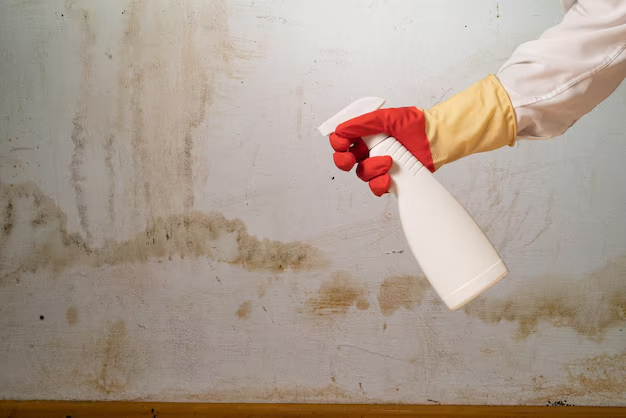
Pests & Maintenance: A Plain-Language Guide to Protecting Your Home and Property
Pests & maintenance is a broad category that covers how unwanted animals, insects, and organisms interact with buildings, yards, and belongings—and what it takes to keep them in check over time.
This guide walks through the big picture: what “pests and maintenance” actually means, how infestations develop, what routine care has to do with pest problems, and which factors make each situation different. It also points you toward the main subtopics people usually explore next.
Throughout, keep in mind one core idea: the right approach depends heavily on your own property, location, tolerance for pests, health needs, budget, and time. Research can show patterns and probabilities, but it cannot predict what will be best for any one household.
What “Pests & Maintenance” Covers
When people talk about pests and maintenance in a home or property context, they’re usually referring to three overlapping areas:
Pest biology and behavior
Which organisms show up (ants, roaches, rodents, termites, weeds, mold, etc.), what they need to survive, and how they move in and around structures.Building and yard conditions
How the way a home is built, repaired, cleaned, landscaped, and ventilated either keeps pests out or makes life easier for them.Ongoing control and prevention
The mix of maintenance, monitoring, and treatments used to manage pests to a level the occupants can live with.
Some common terms you’ll see in this category:
- Pest: Any organism that people generally consider unwanted in a given space—because it damages structures or belongings, affects health, or simply makes the space less usable or comfortable.
- Structural pest: A pest that directly affects buildings and infrastructure (termites, carpenter ants, wood-boring beetles, rodents).
- Household pest: A pest that mainly affects living spaces, food, or personal comfort (cockroaches, bed bugs, ants, flies).
- Maintenance: Regular care and repair of a property to keep it in good working order—cleaning, fixing leaks, sealing gaps, trimming vegetation, and so on.
- Integrated Pest Management (IPM): A well-established, research-backed approach that uses a combination of prevention, monitoring, and targeted controls, focusing first on non-chemical methods and using pesticides only when needed, in the least risky way that’s likely to be effective.
Why this matters: pests and maintenance are deeply linked. In many studies, properties with consistent, basic maintenance—dry structures, sealed openings, clean food areas, managed clutter—tend to have fewer severe pest problems than similar places without that care. But the degree of benefit varies by pest, climate, housing type, and many other factors.
How Pest Problems Develop: The Mechanics
Most pest issues follow a similar chain of events:
Access – A way in
Pests enter through gaps, cracks, vents, drains, doors, windows, utility lines, and even on items you bring inside. Research on pest entry consistently shows that small openings (often just a few millimeters wide) are enough for ants, roaches, and young rodents.Attraction – A reason to stay
They find food, water, shelter, or nesting sites. Studies on indoor pest ecology repeatedly point to:- Moisture (leaks, condensation, damp wood)
- Food residues (crumbs, spills, open containers, pet food)
- Clutter and undisturbed spaces (storage areas, wall voids, attics, basements)
Establishment – A place to reproduce
Once pests find stable resources and shelter, they begin breeding. For social insects (like ants and termites) and fast-breeding pests (like cockroaches and mice), populations can grow quickly under favorable conditions.Spread and damage – The visible problem
As numbers rise, signs become noticeable: droppings, gnaw marks, insect wings, damaged wood, plant injury, odors, noise in walls, or visible insects and rodents. Structural pests may cause damage long before people notice.
Maintenance influences each step:
- Sealing gaps and maintaining door sweeps affect access.
- Fixing leaks, improving ventilation, and storing food properly affect attraction.
- Decluttering and regular inspections affect establishment and spread.
Research on IPM in housing, schools, and farms shows that when prevention and maintenance are prioritized, the need for heavy, repeated chemical treatments often drops, and long-term control tends to improve. At the same time, maintenance alone rarely removes an established infestation; its main strength is in reducing risk and making other measures more effective.
What’s at Stake: Outcomes and Trade-Offs
Within pests and maintenance, several outcomes are commonly discussed:
Health and comfort
Some pests are primarily nuisances. Others are strongly linked in studies to asthma flares, allergies, bites, or the spread of disease. Cockroaches, rodents, and dust mites, for example, are frequently associated in research with respiratory symptoms in sensitive individuals.Structural integrity and property value
Wood-destroying organisms (termites, carpenter ants, certain fungi) can weaken structures over time. Long-term moisture problems that support pests can also contribute to wood rot and corrosion. The financial impact varies widely and is influenced by local housing markets and repair costs.Food safety and storage
In homes, restaurants, and storage facilities, insects and rodents that access food can cause spoilage or contamination. For some people and businesses, even low levels of contamination are unacceptable; others focus mainly on visible or clearly damaging infestations.Environmental and chemical exposure concerns
Pesticides can be useful tools but may carry toxicity risks for humans, pets, wildlife, and beneficial insects. Research is extensive in this area. Findings generally support careful, targeted use rather than frequent broad spraying, especially in spaces where children, pregnant people, or vulnerable individuals spend time.
People balance these outcomes differently. One household might tolerate occasional ants but be very strict about avoiding any pesticide use. Another might be highly chemical-averse for indoor use but accept certain outdoor treatments. Someone running a food business likely has far less tolerance for any pest presence at all.
Key Variables That Shape Pest and Maintenance Needs
The same pest can be a minor annoyance in one setting and a major problem in another. Several interacting factors influence which issues arise and how difficult they are to manage.
1. Type of Property and Construction
Single-family homes vs. multi-unit buildings
In multi-unit housing, pests can move between apartments through walls, ceilings, and shared utilities. Well-documented studies show that treating one unit without addressing building-wide conditions often leads to recurring problems.Age and design of the building
Older properties may have more cracks, gaps, and hidden voids. Certain construction styles (slab-on-grade, crawlspace, basement, pier-and-beam) create different conditions for pests like termites, rodents, and moisture-loving insects.Materials used
Wood framing, concrete, insulation type, and siding materials each have different vulnerabilities. For example, cellulose-based materials can support termites and some molds under the right conditions.
2. Climate and Geography
Climate strongly shapes which pests are common:
- Warm, humid regions often see year-round insect activity, higher termite pressure, and more mold and mildew issues.
- Cold climates may have seasonal insect issues but more intense rodent problems as temperatures drop.
- Dry climates can still have serious termite and ant problems, but moisture sources are more localized, often tied to irrigation, plumbing, or roof leaks.
Local research and extension services often identify “key pests” for each area, which helps explain why neighbors in different regions deal with very different routine maintenance tasks.
3. Indoor Conditions and Habits
Within the same city, household habits and conditions can lead to very different pest experiences:
Moisture levels
Leaky pipes, poor bathroom and kitchen ventilation, and damp basements support many pests. Studies consistently link chronic dampness with increased mold and certain insects.Food handling and storage
Regular cleaning of counters and floors, storing food in sealed containers, managing trash, and dealing with pet food play a big role in whether certain pests can thrive indoors.Clutter and storage
Stacked boxes, paper, fabric, and items stored against walls create harborage—places where pests hide and breed. Research in housing shows that clutter can reduce the effectiveness of pest control efforts.Entry behavior
Shoes, luggage, secondhand furniture, firewood, and deliveries are all potential pathways for pests to hitchhike inside.
4. Surrounding Environment
The immediate surroundings of a building influence which pests show up:
Vegetation and landscaping
Trees touching roofs, shrubs up against walls, thick groundcover, and heavy mulch can connect outdoor pest habitats to structures.Water and drainage
Poor grading, standing water, clogged gutters, and overwatering create conditions for mosquitoes, termites, and other moisture-loving organisms.Nearby structures and activities
Proximity to restaurants, farms, warehouses, water bodies, or vacant buildings can change local pest pressure.
5. People, Pets, and Tolerance Levels
Health conditions and sensitivities
People with asthma, severe allergies, or compromised immune systems may be more affected by certain pests and by some pest control products. Research highlights special concern about cockroach and rodent allergens in sensitive individuals.Pets and livestock
Animals can bring in fleas, ticks, and other parasites. Barns, coops, and kennels create specific maintenance and pest dynamics that differ from typical residential needs.Risk perception and preferences
Some people strongly prioritize limiting pesticide use. Others are more focused on avoiding any pest sightings. These preferences shape which strategies feel acceptable, even when research supports multiple options.
6. Budget, Time, and Access to Expertise
Financial resources
Structural repairs, professional inspections, and longer-term building upgrades (like improved drainage or ventilation) can reduce pest risk, but they also cost money. People with limited budgets may rely more on short-term or DIY measures.Time and physical capacity
Routine maintenance like cleaning, sealing, checking for leaks, and yard care requires time and, in some cases, physical ability. This can be a real constraint.Availability of local expertise
In some regions, there are strong public extension services and well-regulated pest management companies. In others, access to reliable help is more limited, affecting what’s practical.
The Spectrum of Pest and Maintenance Situations
Pests and maintenance do not look the same for everyone. Instead, situations fall along a spectrum with many combinations in between. Here are a few common profiles to clarify how circumstances change what matters.
New Construction vs. Aging Properties
Newly built homes
Often have better initial sealing, modern moisture barriers, and up-to-date building codes. But construction can disturb soil and habitats, sometimes increasing pest activity in the first few years. Without ongoing maintenance, early advantages can fade.Older homes
May have more established pest pathways, worn seals, outdated ventilation, and historical moisture problems. On the other hand, some have already had major pest-related repairs or retrofits.
Urban Apartments vs. Rural Homes
Urban apartments
Tend to deal more with shared building pests like roaches, mice, and bed bugs. Individual maintenance helps, but building-wide practices are often crucial, and research emphasizes coordinated approaches in multi-unit housing.Rural homes
May see more outdoor-to-indoor transitions: field mice, spiders, cluster flies, occasional wildlife. Nearby agriculture or natural areas can also influence insect and rodent populations.
High vs. Low Tolerance for Pests
Low tolerance
Some people feel uncomfortable with any visible pests. Food businesses and healthcare facilities usually fall in this category by regulation. They tend to prioritize frequent inspections, strict cleanliness, and lower thresholds for taking action.Moderate or high tolerance
Others accept occasional insects, especially in older or rural homes, and focus mainly on preventing damage or health issues rather than eliminating every pest.
Limited vs. Extensive Maintenance Capacity
Limited capacity
People with less time, money, or physical ability may only be able to address urgent issues. They often face a higher risk of minor problems becoming more serious, simply because repairs and cleaning are harder to keep up with.Extensive capacity
Those who can regularly inspect, repair, and upgrade their properties may be in a stronger position to prevent severe infestations, based on what research generally shows about the link between maintenance and pest levels.
In all these scenarios, the underlying principles are similar—control access, reduce attraction, detect issues early—but the practical steps, costs, and trade-offs differ greatly.
How Maintenance Fits into Pest Management
Maintenance is not a one-time fix; it’s a set of ongoing practices that influence pest risk over the life of a building.
Core Maintenance Areas That Affect Pests
Moisture control
- Fixing roof and plumbing leaks
- Managing condensation with ventilation and insulation
- Keeping basements and crawlspaces dry Studies consistently show that long-term dampness is strongly associated with mold growth and certain insect problems.
Sealing and exclusion
- Caulking cracks and gaps
- Maintaining weatherstripping and door sweeps
- Screening vents and windows This is a key component of IPM programs and is supported by evidence showing reduced pest entry when openings are minimized.
Sanitation and clutter reduction
- Regular cleaning of food prep areas and floors
- Proper garbage storage and disposal
- Decluttering storage spaces While sanitation alone doesn’t guarantee freedom from pests—especially in multi-unit buildings—it generally helps reduce available food and shelter.
Structural upkeep
- Repairing damaged wood and siding
- Maintaining foundations, steps, and porches
- Keeping paint and sealants in good condition These tasks can limit places where pests can nest or feed and reduce moisture infiltration.
Outdoor and landscape management
- Trimming vegetation away from structures
- Managing mulch depth and placement
- Addressing standing water and drainage Research in residential and agricultural settings shows that landscape choices can influence pest populations and their movement toward buildings.
Maintenance vs. Treatments: A General Comparison
People often think of pest control mainly in terms of sprays, baits, and traps. Maintenance plays a different role. The table below gives a general, research-informed contrast.
| Aspect | Maintenance & Prevention | Targeted Treatments (e.g., baits, sprays, traps) |
|---|---|---|
| Main goal | Reduce conditions that support pests | Directly reduce pest numbers |
| Timeframe | Ongoing, long-term | Short- to medium-term |
| Evidence generally shows | Helps lower risk and severity over time | Can quickly reduce visible pests when well-targeted |
| Typical trade-offs | Requires time, planning, sometimes upfront costs | May involve chemical exposure and repeated applications |
| Dependence on user skill | Moderate (basic repair/cleaning skills) | High for safe, effective use and correct targeting |
| Role in IPM | Foundational component | Used when monitoring shows they’re needed |
Both sides are tools. Research on integrated approaches suggests that when maintenance is strong, treatments are often more effective and may be needed less frequently.
Key Subtopics Within Pests & Maintenance
Pests and maintenance is a broad category. People usually branch into more focused questions next. Below are the main subtopics that form the “hub and spokes” of this area, each of which could be its own deeper guide.
1. Common Household Pests and Their Patterns
Readers often want clear, pest-specific information. This subtopic covers:
Insects in kitchens and bathrooms
Ants, cockroaches, pantry moths, and flies often concentrate where food and water are available. Research on urban pests highlights the predictable link between these areas and infestations.Bed bugs and biting pests
Bed bugs, fleas, and some mites are strongly tied to human and animal activity. They tend to require different strategies than food- or moisture-based pests.Rodents in and around buildings
Mice and rats are well-studied pests with known behaviors regarding food, nesting, and travel routes. Structural gaps and clutter often play a role in their success.
Each of these pests has specific habits and vulnerabilities that influence which maintenance steps matter most.
2. Structural and Wood-Destroying Organisms
Many people are concerned about pests that can compromise a building itself. This subtopic includes:
- Termites, carpenter ants, and wood-boring beetles
- Wood-decay fungi and mold in structural components
- Moisture sources that set the stage for decay
Evidence from building science and pest research shows that long-term moisture plus vulnerable materials are central ingredients in most structural pest problems.
3. Moisture, Mold, and Indoor Air Quality
Moisture is a central thread connecting pests, maintenance, and health:
- Chronic dampness can lead to mold growth, which is associated in many studies with respiratory symptoms in sensitive individuals.
- Many pests (like silverfish, some beetles, and certain roaches) flourish in damp environments.
- Maintenance tasks such as fixing leaks, improving drainage, and upgrading ventilation fall squarely into this subtopic.
For readers, understanding moisture management often becomes a cornerstone of broader pest prevention.
4. Yard, Garden, and Outdoor Pest Management
Outdoor spaces can either buffer your home from pests or funnel them toward it:
- Lawn and garden pests like grubs, aphids, and certain beetles
- Weeds and how they compete with desirable plants
- Mosquito habitat in standing water or overwatered areas
- Wildlife visitors such as raccoons, squirrels, or deer
Landscape design, irrigation practices, and yard maintenance can all play roles in whether outdoor issues spill into the home.
5. Integrated Pest Management (IPM) in Homes and Buildings
IPM is a large, research-backed framework that shows up across agriculture, schools, public housing, and residential settings. Within this subtopic, people often explore:
- Monitoring and thresholds: How to detect pests early and decide when action is warranted.
- Prevention tools: Exclusion, sanitation, structural modifications, and habitat changes.
- Control methods: Physical (traps, barriers), biological (beneficial organisms), and chemical (pesticides) options, and how they fit together.
The literature generally supports IPM as an approach that can reduce both pest levels and pesticide use when properly implemented, though it requires ongoing attention and tailored planning.
6. Pesticides, Safety, and Regulations
Many readers want to understand where chemical options fit into the picture:
- Different pesticide formulations (baits, sprays, dusts, growth regulators) and their general roles.
- Safety considerations, especially for children, pets, and people with health conditions.
- Regulatory frameworks, which differ by country and region but typically govern labeling, permitted uses, and handling.
Research on pesticide exposure and health varies by substance and setting, but generally emphasizes following label instructions, minimizing unnecessary use, and considering non-chemical options as part of a broader plan.
7. Maintenance Schedules and Checklists
People often look for practical ways to organize what can feel like an overwhelming set of tasks:
- Seasonal maintenance patterns, such as:
- Checking roofs and gutters before heavy rain seasons
- Inspecting for rodent entry points before cold weather
- Looking for termite activity during local swarming seasons
- Room-by-room interior checks for leaks, gaps, and clutter
- Annual or periodic inspections by building professionals in some cases
Studies on housing quality and pests suggest that regular, systematic attention tends to correlate with fewer severe infestations, although real-world constraints mean schedules look very different from one household to another.
8. Special Situations: Health, Vulnerable Occupants, and Shared Spaces
Some circumstances involve more complex trade-offs:
- Homes with infants, older adults, or people with asthma/allergies
- Multi-unit housing, dormitories, or shelters
- Shared facilities like schools, daycares, or food service spaces
Research and public health guidance often place special emphasis on limiting both pest allergens and unnecessary chemical exposures in these settings, while still maintaining effective control.
How to Use This Category as a Hub
Because pests and maintenance touch so many aspects of daily life and property care, most readers do not stop at a single overview. They typically move from this broad picture into more specific questions that reflect their own circumstances, such as:
- “What does research say about cockroach control in small apartments?”
- “How does moisture in a crawlspace relate to termites and mold?”
- “Which maintenance tasks have the biggest impact on rodent problems in older homes?”
- “How do integrated pest management programs differ in warm vs. cold climates?”
- “What are the typical building vulnerabilities for wood-destroying pests in my region’s housing stock?”
Your own next steps will likely depend on:
- The type of property you’re dealing with (and whether you own, rent, or manage it)
- The pests you’re actually seeing—or most concerned about
- Any health conditions or sensitivities in the household
- Your budget, time, and comfort level with various control methods
Established research and building science can outline patterns and options, but where you land within the pests-and-maintenance landscape comes down to your specific situation. Understanding the concepts in this guide provides a foundation; matching them to your own property, risks, and values is the part only you (and, when appropriate, qualified local professionals) can do.