Spring Garden Prep Checklist: Simple Steps to Get Your Yard Ready
Spring is when your lawn and garden wake up—and when a little smart prep can save you a lot of work later. A spring garden prep checklist helps you tackle the right jobs in the right order so you’re not guessing, backtracking, or wasting money.
This guide walks through the main tasks most people consider for Seasonal Care in the Lawn & Garden category, and how your own climate, space, and goals might change what belongs on your list.
What is a Spring Garden Prep Checklist?
A spring garden prep checklist is a list of jobs that help your yard transition from winter rest to active growth. It usually covers:
- Clean-up: Removing what winter left behind
- Soil prep: Improving conditions for roots and microbes
- Plant care: Pruning, dividing, feeding, and planting
- Lawn care: Repairing damage, encouraging thick growth
- Pest and disease prevention: Catching problems early
- Planning and setup: Beds, tools, and watering systems
The exact details depend heavily on:
- Your climate and frost dates
- Your yard type (mostly lawn, mostly beds, containers, or a mix)
- How “finished” you want the space to look (neat and manicured vs. wildlife-friendly and informal)
- How much time and energy you want to spend
Your checklist is less about copying someone else and more about choosing which of these pieces matter for your situation.
When Should You Start Spring Garden Prep?
There’s no universal calendar date that works for everyone. Timing depends mostly on climate and frost risk.
Key timing factors
- Last expected frost date: Many spring tasks hinge on whether hard freezes are likely.
- Soil condition: Working soil that’s still soggy can damage its structure.
- Plant type: Cool-season vs. warm-season lawns, early bulbs vs. tender annuals.
A rough seasonal pattern many people use:
| Phase | Typical Conditions | Common Tasks |
|---|---|---|
| Late Winter | Ground may still freeze; some thaws | Tool maintenance, planning, seed starting indoors |
| Early Spring | Thawing, soil wet, nights cold | Light clean-up, pruning certain shrubs/trees, checking beds |
| Mid Spring | Frosts less frequent, soil workable | Heavier clean-up, soil amending, lawn repair, early planting (cool-tolerant plants) |
| Late Spring | Frost risk mostly past | Planting warm-season vegetables and flowers, setting up irrigation, mulch finishing |
Your local extension office, trusted garden center, or regional gardening guides can help you match tasks to your climate zone rather than guessing by month.
Step 1: Walk-Through and Clean-Up (Without Overdoing It)
Spring prep usually starts with a walk-through of your yard and a basic clean-up.
What to look for on your walk-through
- Branches and debris: Fallen twigs, sticks, and storm damage
- Winter damage: Broken branches, crushed shrubs, snow mold patches on lawns
- Standing water or soggy spots: Signs of poor drainage
- Heaving plants: Perennials pushed up out of the soil by freeze–thaw cycles
- Mulch condition: Bare spots or thick, matted areas
Clean-up basics
- Pick up branches and litter
- Rake gently to remove excess leaves from lawns once the soil surface is firm, not muddy
- Clear heavy, wet mats of leaves off emerging plants so they’re not smothered
- Cut back last year’s dead stems on perennials and ornamental grasses if you left them up for winter interest
How much clean-up is “right”?
This depends on your priorities:
- Neat, manicured look: You might remove more dead material and edge beds sharply.
- Wildlife-friendly or pollinator garden: You might delay heavy clean-up until temperatures are consistently warmer, and you may leave some stems, leaves, and seed heads to support insects and birds. 🐝
What to evaluate for yourself:
- How tidy you want things to look
- Whether supporting early pollinators and beneficial insects matters to you
- Local rules or HOA guidelines about yard appearance
Step 2: Check and Prepare Your Soil
Healthy plants almost always start with healthy soil. Spring is when many people check how their soil is doing and make basic adjustments.
Common soil prep steps
Soil test (optional but helpful):
Many regions offer low-cost soil testing. It can give you a read on pH and nutrient levels. This isn’t mandatory but gives better guidance than guessing with fertilizers and amendments.Avoid working wet soil:
If soil forms a hard ball when squeezed, it’s too wet—tilling or digging then can create clods and compaction.Lightly loosen beds:
In established beds, a gentle surface loosening with a hand fork can improve air and water movement.Add organic matter:
Things like compost, well-aged manure, or leaf mold are often used to improve soil structure and support soil life.
Factors that change what your soil needs
- Soil type: Sandy soil drains fast and often needs organic matter to hold nutrients; clay holds water and can benefit from looseners like compost.
- Plant types: Lawns, vegetable beds, and native plant areas often have different nutrient needs and pH preferences.
- Your past inputs: If you’ve fertilized heavily in past years, you may not need much this spring.
What you’d likely need to evaluate:
- Whether you want to test your soil or prefer to start with general improvements
- If you’re comfortable adding amendments yourself or prefer professional advice
- Any drainage problems that might call for grading or structural fixes later
Step 3: Spring Lawn Care Basics
For many households, lawn areas are a big part of the Lawn & Garden picture. Spring is often when you:
- Assess damage
- Encourage healthy growth
- Decide how much lawn you actually want to keep
Common spring lawn tasks
- Raking and dethatching (light): Remove dead grass and debris so new growth can breathe.
- Repairing bare or thin spots: Many people overseed (spread grass seed) in damaged areas.
- Addressing compaction: In some situations, core aeration (removing small plugs of soil) is done to improve drainage and root growth.
- Fertilizing: Some homeowners apply a spring feeding; the type and timing depend on grass type and climate.
- Weed control: Strategies range from hand-weeding and overseeding to herbicides. Some people focus on thick turf and accept a few weeds; others aim for a more uniform look.
How your lawn type changes the checklist
| Factor | Cool-Season Lawns (often northern climates) | Warm-Season Lawns (often southern climates) |
|---|---|---|
| When growth starts | Early to mid-spring | Later spring as soil warms |
| Common spring focus | Repair winter damage, gentle feeding | Green-up support, edging, weed control |
| Seeding | Often done in early or mid-spring, or fall | Frequently more successful in late spring or early summer, depending on region |
Your own choices shape your list:
- Whether you want a high-maintenance, golf-course look or a low-input, “good enough” yard
- How you feel about chemicals vs. more natural approaches
- Whether you want to reduce lawn area in favor of beds, trees, or native plantings 🌱
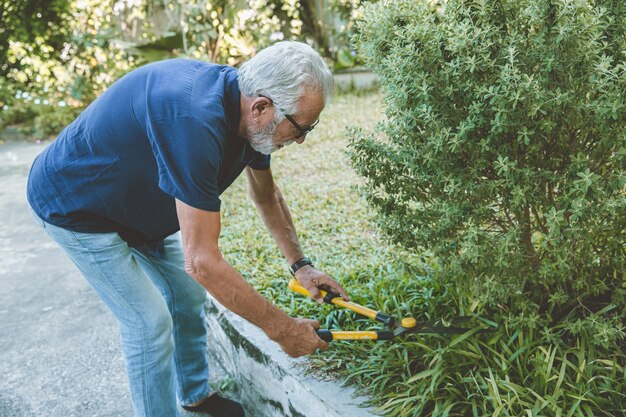
Step 4: Pruning Trees, Shrubs, and Perennials
Spring is a major pruning season, but not all plants like to be cut back at the same time.
General pruning goals in spring
- Remove dead, diseased, or damaged wood
- Shape plants for safety and structure (branches away from walkways, roofs, power lines)
- Encourage healthy new growth
Timing differences matter
Early spring, before leaf-out:
Often used for many trees and shrubs that bloom on new wood (this year’s growth) and for structural pruning.After flowering:
Often recommended for shrubs that bloom on old wood (last year’s growth), like many spring-flowering shrubs. Pruning them too early can remove flower buds.Perennials and ornamental grasses:
Many people cut them back in late winter or early spring before new growth gets tall, especially if they were left standing over winter.
Because plant species vary widely, many homeowners:
- Use plant tags or online references to identify pruning preferences
- Start with just removing obvious dead or damaged branches, which is usually safe any time
What you’d need to consider:
- Whether you know what species you’re pruning (or need to identify them first)
- Your comfort level with ladders and cutting near power lines (often a reason to hire help)
- Whether blooming display or neatness is your top priority
Step 5: Refreshing and Re-Edging Garden Beds
Once basic clean-up and pruning are underway, many people focus on beds and borders.
Common bed-prep tasks
Remove weeds early: Young weeds are much easier to pull than established ones.
Define edges: Re-cutting the border between lawn and beds can give a surprisingly finished look.
Top up mulch: A fresh layer of mulch can:
- Help retain moisture
- Suppress weeds
- Protect soil life
- Give a clean visual line
Check plant spacing: Spring is a good time to see where gaps or crowding show up.
Mulch choices and trade-offs
Typical options include:
- Shredded bark or wood chips: Widely used around shrubs and in ornamental beds
- Compost or leaf mold: Feeds the soil as it mulches
- Stone or gravel: More permanent, but can heat up and doesn’t feed the soil
What you’d weigh:
- Whether you want low maintenance (mulch can reduce weeding)
- The look you prefer (natural, formal, minimalist)
- How mulch interacts with your climate (e.g., darker mulches warm soil faster, thick layers can delay warming)
Step 6: Dividing and Moving Perennials
Many perennial plants benefit from being divided every few years. Spring is a common time, especially for plants that bloom later in the season.
Signs a perennial might need dividing
- Bald or dead-looking center with growth only at the edges
- Reduced flowering compared to past years
- The clump is crowding neighbors or spilling awkwardly over paths
Spring division basics
- Wait until the soil is workable and plants are just starting to grow.
- Dig up the clump, split it into sections with roots and shoots, and replant at similar depth.
- Water in well and keep an eye on moisture as they re-establish.
Variables that change how you handle division:
- Species: Some perennials prefer fall division; others thrive with spring division.
- Weather: Hot, dry spring conditions may make division more stressful for plants.
- Your goals: You might divide to get more plants for free, to control spread, or to redesign a bed.
Step 7: Planning and Starting Spring Planting
Spring is when many people get most excited: putting new plants in the ground. What makes sense for you depends on:
- Your last frost date
- Whether you’re planting cool-season or warm-season plants
- Your interest in vegetables, herbs, flowers, shrubs, or trees
Common spring planting categories
Cool-season vegetables and flowers
Often go in earlier (before the heat sets in). Examples include things like peas, lettuces, and some hardy annual flowers.Warm-season vegetables and flowers
Typically planted after the danger of frost has passed and soil has warmed sufficiently.Trees and shrubs
Frequently planted in early to mid-spring so they can root in before summer heat.Containers and hanging baskets
Allow more flexibility and can often be moved to avoid late cold snaps.
Things you’ll likely want to decide:
- Whether you care more about edible harvests or ornamental color
- How much ongoing care (watering, staking, feeding) you’re willing to commit to
- Whether you prefer seeds, starter plants (transplants), or a mix 🌼
Step 8: Set Up Watering and Check Tools
Spring is a good time to prepare your watering systems and tools before hot weather hits.
Watering prep checklist
- Inspect hoses and nozzles for cracks and leaks
- Test outdoor faucets and repair drips or damaged parts
- If you use drip irrigation or soaker hoses, lay them out and flush the lines
- Adjust your watering plan (once plants are growing) based on:
- Local rainfall
- Soil type (sand vs. clay)
- Plant types (new plantings usually need more attention)
Tool tune-up
- Sharpen blades on pruners, shears, and mower
- Clean and oil tools to prevent rust
- Start the lawn mower and check the cutting height
- Take note of any tools that are unsafe or beyond repair
Your approach depends on:
- Whether you’re comfortable doing basic maintenance or prefer a service shop
- How large your yard is and how often you expect to mow or prune
- Whether you want to invest in more automated watering or stick with hand-watering
Quick Spring Garden Prep Checklist (At-a-Glance)
This is a general list you can adapt. Not every line will apply to every yard.
Early Spring
- [ ] Walk your yard and note winter damage, soggy spots, and heaved plants
- [ ] Pick up branches, litter, and heavy debris
- [ ] Gently rake lawns once soil is firm
- [ ] Remove matted leaves from emerging plants
- [ ] Cut back dead stems on perennials and ornamental grasses
- [ ] Prune dead, diseased, or damaged branches from trees and shrubs
- [ ] Consider soil testing for key areas (vegetable beds, problem spots)
- [ ] Lightly loosen soil in beds when it’s no longer waterlogged
Mid Spring
- [ ] Add compost or other organic matter to beds as needed
- [ ] Re-edge garden beds and borders
- [ ] Pull young weeds before they spread
- [ ] Top up mulch, avoiding piles against stems and trunks
- [ ] Inspect lawn for bare patches; overseed or patch as desired
- [ ] Address compaction (aeration, if appropriate for your grass and soil)
- [ ] Plan vegetable and flower layout based on sun, space, and access
- [ ] Divide and replant suitable perennials
Late Spring
- [ ] Plant cool-season and then warm-season crops and flowers as frost risk allows
- [ ] Install or adjust drip hoses, timers, or sprinklers
- [ ] Check, sharpen, and maintain tools and mower
- [ ] Monitor for early pests and diseases; remove or treat as your approach allows
- [ ] Stake or support tall plants before they flop
- [ ] Reassess: Are there lawn areas you’d like to convert to beds, native plantings, or seating?
How to Tailor This Checklist to Your Yard
There isn’t one “correct” way to do spring garden prep. What’s “right” depends on:
- Climate: Frost dates, rainfall patterns, temperature swings
- Yard type: Mostly lawn, mostly beds, containers on a balcony, or a mix
- Time and energy: How much you realistically want to maintain
- Personal values and style:
- Wildlife-friendly vs. hyper-neat
- Low-budget vs. more investment in infrastructure
- High productivity (vegetables, fruit) vs. mostly ornamental
To make this checklist your own, it often helps to:
- Circle only the tasks that match your goals (e.g., skip lawn tasks if you don’t care about turf).
- Order them by your local conditions, starting with what you can safely do before the soil is fully dry or the frost is gone.
- Be realistic about how many items you can tackle in a weekend or a month, and spread them out.
With a grounded spring garden prep checklist, you’re less likely to feel overwhelmed and more likely to end up with a yard that fits your life—not someone else’s.