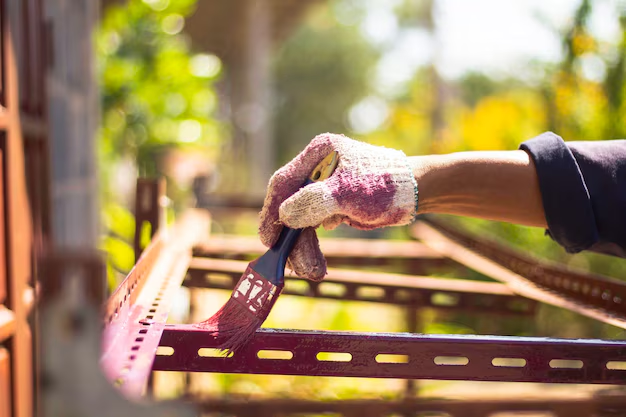
How To Stain a Fence Step By Step: A Practical Guide for Homeowners
Staining a fence is one of those outdoor projects that looks intimidating but is very doable for most homeowners. The payoff is big: better curb appeal, longer fence life, and wood that stands up better to sun and rain.
This guide walks through how to stain a fence step by step, what tools you’ll need, and the key choices you’ll face. It doesn’t assume you’re a pro. It also won’t tell you exactly what’s “best” for your fence, because that depends on your wood, climate, and goals. Instead, you’ll see the landscape so you can decide what fits you.
Why Stain a Fence in the First Place?
A wood fence left completely bare will usually:
- Fade from rich color to gray
- Absorb water, which can lead to warping, cracking, or rot
- Grow mildew or algae in damp areas
- Collect dirt that’s hard to remove
A good fence stain (often with a sealer built in) helps by:
- Repelling moisture
- Blocking UV rays that cause graying
- Adding color and a more finished look
- Smoothing surface fibers, making splinters a bit less likely
How big the difference is depends on:
- Your climate (sunny/dry vs. wet/humid vs. very cold)
- Your wood type (cedar, pine, redwood, pressure-treated, etc.)
- How often you’re willing to re-clean and re-stain over the years
Step 1: Decide What Kind of Stain You Want
Before you pick up a brush, you’ll need to choose a stain type. This affects how your fence looks, how long it lasts, and how much of the wood grain you see.
Common Types of Fence Stain
| Stain Type | Look & Coverage | Typical Use Cases |
|---|---|---|
| Clear / Transparent | Almost no color, shows full grain | New, attractive wood you want to showcase |
| Semi-Transparent | Adds color but shows grain and knots | Most common for residential fences |
| Semi-Solid | More color, grain slightly visible | Older wood, more UV protection |
| Solid (Opaque) | Paint-like coverage, hides most grain | Very weathered wood, color changes, more coverage |
A few key distinctions:
- Clear: Great for looks right away, but often needs more frequent re-application.
- Semi-transparent: A middle ground most people choose for fences—natural look plus good protection.
- Semi-solid / solid: Helps even out mismatched boards or older fences and can last longer, but once you go opaque, you’re essentially committing to that look (future stripping can be more work).
Oil-Based vs. Water-Based Fence Stains
You’ll also see stains labeled oil-based or water-based:
Oil-based stains
- Penetrate deeply into wood
- Often praised for rich color and good water resistance
- Can take longer to dry and may have stronger odor
- Cleanup usually requires mineral spirits or a similar solvent
Water-based stains
- Lower odor, easier soap-and-water cleanup
- Typically dry faster
- Often preferred where environmental rules are stricter
Which is better depends on:
- Local climate and sun exposure
- Your ventilation and comfort level with fumes
- How quickly you need the project done
- Local regulations on solvents and VOCs
Step 2: Check If Your Fence Is Ready for Stain
Not every fence is at the right stage for staining, even if you’re eager to transform it.
New Fences
New wood—especially pressure-treated lumber—often needs time to dry out before it accepts stain evenly. Common factors:
- How recently the wood was installed
- How “green” or wet it was when installed
- Your weather (sun, rain, humidity)
A basic check you can do:
- Sprinkle a bit of water on the wood.
- If the water beads up, the wood may still be too saturated or sealed.
- If the water soaks in quickly, the wood is more ready to accept stain.
Older or Weathered Fences
You might need extra prep if you see:
- Gray, sun-faded boards
- Mildew (black or green spots)
- Peeling old stain or paint
- Warped or damaged boards
In that case, expect more cleaning, repairs, and possibly some light sanding before you stain.
Step 3: Gather Your Tools and Materials
What you’ll need varies by fence size and how polished you want the result to look, but typical supplies include:
Materials
- Your chosen fence stain (and sealer, if separate)
- Wood cleaner or fence cleaner
- Wood brightener (optional, but often used on gray or weathered wood)
- Drop cloths or plastic sheeting (to protect plants, concrete, etc.)
- Painter’s tape (for adjacent surfaces)
Tools
- Brushes with synthetic or natural bristles (suited to your stain type)
- Roller with a medium nap (optional but helpful on large flat areas)
- Pump sprayer or dedicated stain sprayer (optional, speeds up application)
- Bucket and mixing stick
- Scrub brush (for cleaning)
- Garden hose or pressure washer (on a gentle setting)
- Sandpaper or sanding block (for rough spots)
Safety gear
- Gloves
- Eye protection
- Mask or respirator if you’re sensitive to fumes or using a sprayer
The exact mix you choose depends on:
- The size of your fence
- Whether you prefer brush-only control or faster sprayer application
- How much overspray you can tolerate near plants, windows, and neighbors’ yards
Step 4: Clean the Fence Thoroughly
Stain won’t bond well to dirty, moldy, or heavily weathered wood. Cleaning is the step many people rush—and then regret later.
Basic Cleaning Steps
Clear the area
- Move furniture, decorations, and plants back from the fence.
- Cover anything that shouldn’t get wet or stained.
Rinse the fence
- Use a garden hose or pressure washer on a low to moderate setting.
- Aim to remove loose dirt, cobwebs, and surface debris without gouging the wood.
Apply wood cleaner
- Follow the cleaner’s directions carefully.
- Use a scrub brush for stubborn spots, mildew, and algae.
- Work in manageable sections so the cleaner doesn’t dry out too fast.
Rinse thoroughly
- Rinse until water runs clear and you don’t see foaming from soap or cleaner.
Optional: Use a Wood Brightener
If your fence looks gray or blotchy, a wood brightener can help:
- It can restore a more natural, even tone.
- It often prepares the wood to accept stain more uniformly.
Whether you use a brightener depends on:
- How weathered the wood is
- How picky you are about the final look
- The directions of the stain system you chose (some lines are designed to work together)
Let the Fence Dry Completely
After washing and brightening, the fence needs time to dry—typically at least a day, often longer in cool or humid weather. You’re aiming for wood that’s dry to the touch, not just on the surface.
Step 5: Repair and Lightly Sand Where Needed
Before you open the stain, fix any issues that will show through or cause problems later.
Inspect for Damage
Look for:
- Loose or protruding nails/screws
- Tap them back in or replace as needed.
- Rotten or severely cracked boards
- These may need replacement, not just stain.
- Warped boards
- Decide whether they’re just cosmetic or affect structure.
Sand Problem Areas
You don’t usually have to sand an entire fence, but spot-sanding helps when:
- The old finish is peeling or flaking
- You have rough splintered spots
- There are raised wood fibers from washing
Use medium-grit sandpaper (often in the 80–120 range) to smooth spots, then brush off the dust so the stain can soak in properly.
Step 6: Plan for Weather and Timing
Stain reacts to weather. The same product can behave very differently in full sun vs. cool shade.
You’ll generally want:
- A dry forecast for at least a day or two (no rain expected while the stain is drying)
- Moderate temperatures (not scorching hot, not near freezing)
- Avoid direct midday sun if possible, since it can:
- Make stain dry too fast
- Lead to lap marks and uneven absorption
Many people like to start in the late morning or early afternoon when dew has evaporated but the boards aren’t extremely hot to the touch.
Step 7: Test the Stain on a Small Area
Before committing to an entire fence, test:
- Shake or stir the stain thoroughly so pigment is evenly distributed.
- Apply to a small, less visible section of the fence.
- Let it dry fully according to the product directions.
- Check:
- Color (lighter/darker than expected?)
- Sheen (flat vs. a slight sheen)
- Coverage (how much grain you can see)
This test patch helps you decide whether to:
- Continue as planned
- Apply a second coat
- Adjust your application method
- Rethink the stain choice before going all-in
Step 8: Apply Stain to the Fence
You’ve done the prep; now it’s time for the main event. You can apply stain with a brush, roller, sprayer, or a combination.
Brushing (Most Control)
- Good for smaller fences or detailed work.
- Lets you work stain into cracks and joints.
- Takes more time but often gives a very even finish.
How to brush:
- Load your brush lightly; avoid heavy drips.
- Start at the top of a section and work downward.
- Follow the direction of the wood grain.
- Keep a “wet edge” by overlapping slightly into the last area you stained.
Rolling (Faster on Large, Flat Surfaces)
- Speeds up coverage of wide fence panels.
- Often combined with a brush:
- Roll stain on
- Follow with a brush (“back-brush”) to even out and work it into the wood
Spraying (Fastest, But Needs Care) 💨
- Great for large fences, but:
- Requires masking nearby surfaces carefully.
- Overspray can drift onto neighbors’ property or cars.
- Often recommended to:
- Spray a section
- Immediately back-brush or back-roll to avoid a patchy look and help penetration
Which method to choose depends on:
- Fence size and complexity
- How concerned you are about overspray
- Your comfort level with tools and speed vs. precision
Work in Sections
Regardless of method:
- Work in manageable panels (for example, one fence section between posts at a time).
- Maintain a wet edge so you don’t get lap marks where one dried area overlaps a newly stained area.
- Watch for runs and drips, especially around knots and edges; smooth them out quickly.
Step 9: Decide on One Coat or Two
Most fence stain projects use one or two coats, but this varies. Key factors:
- Stain type (semi-transparent vs. solid)
- Wood condition and how thirsty it is
- Your desired color depth
Things to keep in mind:
- Some stains are designed for single-coat coverage.
- A second coat can darken the color and increase protection, but:
- If applied too heavily, stain can sit on the surface and feel sticky or tacky.
- It’s usually best to apply additional coats while the first is dry but still “open” enough, as directed by the manufacturer.
Always follow the label instructions for recoat windows and maximum coats.
Step 10: Let the Stain Cure and Protect the Area
Once you’ve finished staining:
Let it dry
- Keep people, pets, and lawn tools away until the surface is no longer tacky.
- Avoid leaning items against the fence during this time.
Remove tape and coverings
- Pull painter’s tape off before it bonds too tightly.
- Remove drop cloths carefully to avoid drips.
Check for missed spots once dry
- Look at the fence in different light.
- Touch up light or missed areas for a more even appearance.
Drying and curing times vary widely based on:
- Product type (oil vs. water-based)
- Temperature and humidity
- Air circulation
It’s common for stain to be dry to the touch before it’s fully cured, so be gentle with the surface for a bit.
How Often Will You Need to Restain?
No fence stain is truly “set it and forget it.” Over time, UV light and weather will wear it down.
How often you’ll be back out there depends on:
- Stain type
- Clear and lighter stains usually need more frequent maintenance.
- Solid stains often last longer but can peel rather than gradually fade.
- Sun exposure
- A south-facing fence in full sun usually ages faster than a shaded side.
- Climate
- Heavy rain, snow, or extreme heat all take a toll in different ways.
- Wood species and age
- Some woods naturally resist weathering better than others.
Instead of locking into a fixed schedule, many homeowners:
- Inspect the fence once a year
- Look for signs like:
- Noticeable fading
- Water no longer beading
- Roughened or dry-looking boards
- Clean and re-stain as needed, rather than by the calendar alone
Common Mistakes to Avoid When Staining a Fence
Here are some frequent missteps people run into (and what to watch for):
Skipping cleaning
- Leads to poor adhesion, uneven color, or early failure.
Staining wet wood
- Traps moisture, which can cause blotchiness or peeling.
Overapplying stain
- Thick, shiny puddles don’t necessarily mean better protection.
- Excess should generally be wiped or brushed out so stain can penetrate instead of forming a sticky film.
Ignoring weather
- Rain while the stain is still wet can cause runs, spots, and uneven curing.
Not mixing stain thoroughly
- Pigments settle in the can; if you don’t stir well, color can shift from light to dark as you go.
Poor protection of surroundings
- Overspray or drips on concrete can be hard to remove.
- Plants and grass can be damaged by some products.
Matching the Process to Your Fence and Goals
The basic steps—clean, repair, prepare, test, apply, and maintain—are the same for most fences. Where things differ from one homeowner to another is in the details:
Your fence type
- New cedar vs. older pressure-treated pine
- Smooth boards vs. rough-sawn panels
Your priorities
- Natural wood look vs. bold color
- Lowest maintenance vs. richest appearance
Your tools and comfort level
- Willing to learn a sprayer vs. sticking to a brush and roller
- OK with more frequent light maintenance vs. less frequent, heavier work
By understanding the stain types, the prep work, and the application methods, you can choose an approach that fits your situation—not someone else’s. The more care you put into cleaning and prep, and the more honest you are about your climate and time for upkeep, the better your fence stain will hold up over the years.