Best Backyard Makeover Ideas on a Budget: Practical, Low-Cost Upgrades That Transform Your Space
A backyard makeover doesn’t have to mean tearing everything out and starting from scratch. Most people can get a more inviting, usable outdoor space with a handful of small, budget-friendly projects instead of one huge overhaul.
What “best” looks like depends on your home, climate, DIY comfort level, and how you want to actually use the space. This guide walks through popular cheap backyard makeover ideas, what affects the cost, and how to think about which ones might fit your situation.
What Are the Cheapest Ways to Make a Backyard Look Better?
The lowest-cost backyard upgrades usually do one of three things:
- Visually clean and define the space
- Create a clear purpose (eating, relaxing, playing, gardening)
- Add a few focal points so the eye has something pleasant to land on
Here are common “first-step” projects many people tackle on a tight budget:
- Declutter and clean: Remove junk, trim overgrowth, sweep hard surfaces.
- Edge and mulch beds: Define garden beds with a crisp edge and fresh mulch.
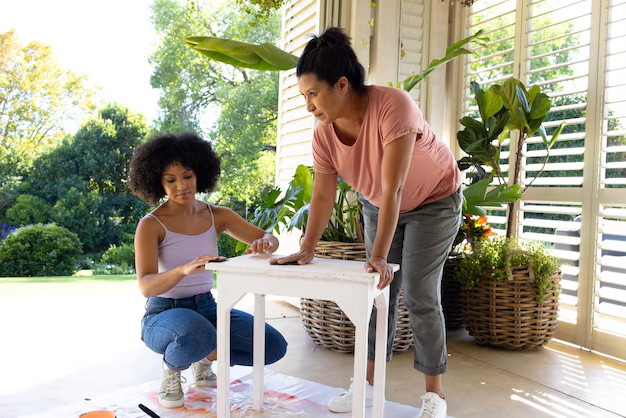
- Paint or stain: Freshen up fences, railings, old furniture, and planters.
- Add string lights: Inexpensive lighting instantly makes a yard feel intentional.
- Create a simple seating zone: Even a couple of chairs and a small table change the feel of the yard.
These don’t usually require special tools or skills—just time and a bit of elbow grease.
What Factors Affect How Much a Backyard Makeover Costs?
“On a budget” can mean very different things, but several factors shape both cost and impact:
| Factor | How It Affects Budget Backyard Projects |
|---|---|
| Yard size | Bigger yards need more material (mulch, stone, plants, lights), so each idea scales in cost. |
| Condition today | A yard that’s overgrown or poorly graded may need more prep work before visible “nice” upgrades. |
| DIY vs. hiring help | Doing it yourself saves on labor but may limit complexity; hiring pros increases cost but can speed up big changes. |
| Climate and sun exposure | Affects which plants and materials actually last (and how much replacement costs later). |
| Existing features | Patios, decks, trees, and fences can be cleaned up and improved instead of replaced entirely. |
| Tools you already own | Having basics like a shovel, rake, and drill keeps project costs down. Buying or renting tools adds up. |
| How you want to use the space | A kid-play yard, quiet reading space, or entertaining zone all suggest different “best” budget projects. |
The same project—say, adding a gravel seating area—might be extremely cheap in a small, flat yard and quite a bit more involved in a large, sloped one.
What Are Some Low-Cost Backyard Makeover Ideas That Make a Big Impact?
Below are categories of budget-friendly backyard upgrades, with examples and what typically influences cost and difficulty.
1. Quick Visual Upgrades (High Impact, Very Low Cost)
These projects focus on appearance and tidiness, not major construction.
Common ideas:
- Weed, trim, and edge
- Pull visible weeds, cut back bushes, mow and edge the lawn.
- Clear any dead plants or broken items.
- Define pathways
- Rake and sweep existing paths.
- Use inexpensive materials (like gravel or wood chips) to clarify where people walk.
- Refresh mulch
- Add a new layer of mulch around trees and beds.
- Choose a consistent color to make everything feel intentional.
- Hide eyesores
- Use lattice, outdoor fabric, a row of potted plants, or a small screen to disguise AC units, trash bins, or utility boxes.
Variables to think about:
- How much time you can realistically devote over a weekend or two
- Local disposal rules for yard waste
- Whether you have tools like pruners, a lawn mower, and a shovel
For some people, clean-up alone is the single biggest “makeover” they’ll see.
2. Budget-Friendly Seating and “Outdoor Room” Ideas
Creating at least one clearly defined sitting area can make your backyard feel like an extension of your home rather than just “outside.”
Simple seating zone ideas
- DIY gravel or mulch patio
- Clear a flat area, lay down landscape fabric, and spread gravel or mulch.
- Add basic chairs and a side table.
- Repurpose indoor furniture (if truly weather-tolerant or in a covered area)
- Older wood chairs or small tables can move outside if sealed properly.
- Bench with storage
- A basic wood bench can double as storage for cushions or garden tools.
Shade and comfort on a budget
- Market umbrella
- Often cheaper than building pergolas or roof structures.
- Shade sail or tarp
- Anchored to posts, trees, or exterior walls (check any local rules/safety advice).
- Outdoor rug
- Defines the seating area and hides imperfect concrete or decking.
Variables to consider:
- Surface: Grass, dirt, concrete, and deck boards all need different approaches.
- Exposure: Full-sun seating often needs shade; shady spots may stay damp.
- Maintenance: Cushions and fabrics last longer if they can be stored dry.
3. Low-Cost Lighting Ideas for Backyards
Lighting is one of the cheapest ways to add atmosphere and make a space usable after dark. 🌙
Common cheap lighting options
- String lights
- Hung along fences, under eaves, or between poles.
- Solar path lights
- Staked along walkways or around beds (no wiring required).
- Lanterns and candles
- Battery or solar lanterns on tables or steps.
Factors that matter
- Power source: Solar vs. plug-in vs. battery. Solar is usually easier for beginners but needs sun exposure.
- Weather: Look for lights rated for outdoor, wet conditions.
- Attachment points: Trees, fence posts, or the house itself shape how and where you can hang lights.
If your yard is very dark, even a few small, consistent light sources can change the feel dramatically.
4. Affordable Landscaping: Plants, Groundcovers, and Lawn Alternatives
Plants can be as cheap or as expensive as you make them. On a tight budget, the focus is usually on:
- Fewer plants, but larger impact
- Low-maintenance choices that fit your climate
Budget plant ideas
- Perennials instead of annuals
- Perennials come back year after year, reducing replacement costs.
- Native plants or region-appropriate varieties
- Often need less water and care.
- Divide existing plants
- Many plants can be split and replanted to fill more space for free.
Groundcover and lawn alternatives
- Clover or mixed groundcovers
- Some people choose these for a softer, more natural look with less mowing.
- Mulch and a few shrubs
- Simplifies care and reduces the area you need to water or mow.
- Gravel or stone areas
- Useful where grass won’t grow well.
Key variables:
- Climate zone: What thrives locally, and typical rainfall or drought conditions.
- Sun/shade: A plant that loves sun will struggle in deep shade, and vice versa.
- Water access and restrictions: Hose access, watering rules, and water costs.
A small, tidy planting bed that’s actually maintained often looks better than a large, struggling garden.
5. DIY Garden Beds and Planters on a Budget
For many people, a food or flower garden is part of the “dream backyard.” Raised beds and planters can be done cheaply if you’re flexible on looks and materials.
Inexpensive garden bed ideas
- In-ground beds
- Dig directly into the soil, add compost, and edge the area with stones, bricks, or even logs.
- Simple wood raised beds
- Basic rectangular frames using affordable lumber.
- Container gardening
- Buckets, large pots, and even repurposed containers with drainage holes.
Cost and effort variables
- Soil quality: Poor soil may need compost or topsoil to grow much of anything.
- Sun exposure: Most vegetables and many flowers need several hours of sun.
- Watering: Raised beds dry out faster, so easy access to water helps.
You don’t need a lot of space; even a small herb or salad garden in containers can make a patio feel homier.
6. Simple Backyard Privacy and Screening Ideas
If your yard feels exposed, a few budget privacy tricks can make you more comfortable using it.
Budget-friendly privacy options
- Lattice panels or bamboo screens
- Attached to existing fences or freestanding posts.
- Fast-growing vines on a trellis
- Morning glories, certain clematis, or other climbers can soften fences.
- Tall planters
- A row of planters with tall grasses or shrubs creates a “green wall.”
- Outdoor curtains
- Hung from pergolas, porch ceilings, or tension wires (where structurally safe).
Things to think through
- Local rules: Fencing and height restrictions vary; check before adding tall barriers.
- Wind and weather: Solid panels catch wind; flexible screens and plants may fare better.
- Maintenance: Vines need occasional trimming; fabric and bamboo age over time.
A small amount of privacy in the right spot—like next to a seating area—can make a yard feel far more usable.
7. Cheap Backyard Ideas for Kids and Pets
Families often want a yard that supports play without looking like a plastic playground store.
Low-cost kid-friendly ideas
- Sandbox or dig area
- A simple frame filled with sand or soil; cover when not in use.
- Loose parts play
- Stumps, logs, stepping stones, and simple balance beams.
- Chalk wall or fence section
- Paint a part of a fence or board with chalkboard paint.
Budget pet-friendly ideas
- Defined potty area
- Gravel or mulch section to protect the rest of the yard.
- Shaded spot with water
- Simple canopy or tree shade with a stable water bowl.
- Enrichment zones
- Dig pit for dogs that like to dig, or high shelves and perches for outdoor cats (where allowed and safe).
Variables:
- Safety needs by age and pet type
- How much of the yard you’re comfortable dedicating to play
- Local rules around fencing, pets, and noise
8. Paint, Stain, and Small Repairs: High Value for Little Money
Sometimes the best “makeover” is making what you already have look cared for. 🛠️
Surfaces that often benefit from a refresh
- Fences and gates: Clean and stain or paint to unify the look.
- Decks and railings: Repair loose boards, then stain or seal.
- Concrete patios: Power wash, or use masonry paint or stain to add color.
- Old furniture: Sand and repaint metal or wood for a coordinated look.
Key variables
- Condition of existing structures: Rotten wood or unstable posts may need more than cosmetics.
- Weather windows: Many paints and stains need dry conditions and certain temperatures.
- Prep work: Proper cleaning and sanding often matter more than the brand of product.
A consistent color scheme—especially on large surfaces—can pull a mismatched yard together.
How Do I Prioritize Backyard Makeover Projects on a Budget?
You don’t have to do everything at once. Many people find it easier (and cheaper) to tackle changes in stages.
Step 1: Decide what the main job of your backyard is
Common “primary purposes” include:
- Relaxing quietly
- Entertaining family and friends
- Letting kids or pets play
- Growing food or flowers
- A mix of a few of these
Your top 1–2 purposes shape which projects will feel most satisfying for you.
Step 2: Fix the basics first
For most situations, the first layer of a budget makeover is:
- Clear clutter and debris
- Cut back anything obviously overgrown
- Fix obvious safety issues (loose steps, broken railings, large holes)
These don’t usually cost much and set you up for everything else.
Step 3: Add one “anchor” feature
An anchor feature is the main thing your eye goes to and the main way you use the space. Examples:
- A small but tidy seating area
- A defined fire pit zone (where allowed)
- A raised garden bed
- A fresh-looking deck or patio
You don’t need more than one anchor to start. It simply gives your yard a clear purpose.
Step 4: Layer in small details over time
Once the basics and an anchor feature are in place, you can add:
- Lighting
- Planters or garden beds
- Privacy elements
- Decor like outdoor pillows, rugs, or art (weather-permitting)
Spreading projects out lets you watch how you actually use the yard and adjust your plans before spending more.
How Can I Keep My Budget Backyard Makeover Looking Good Over Time?
A cheap project that falls apart or gets overrun in a year isn’t really a bargain. Long-term success usually comes down to three things:
Choosing the right materials and plants for your climate
- Local garden centers, extension services, and neighbors can be good references for what survives in your area.
Being honest about your maintenance style
- If you don’t like mowing, consider smaller lawn areas.
- If you rarely water, lean toward drought-tolerant or native plants.
Scheduling small, regular upkeep
- A few minutes a week pulling weeds or sweeping can keep outdoor spaces from sliding back into “project” territory.
The lower your ongoing effort, the more likely you are to keep using—and enjoying—your updated backyard.
How Do I Decide Which Budget Backyard Ideas Are Right for Me?
There’s no one “best” backyard makeover idea that fits everyone. The right mix for you depends on:
- How you want to feel in the space (private, social, playful, peaceful)
- Typical weather where you live (extreme heat, heavy rain, snow, drought)
- Your comfort with DIY projects and tools
- Whether you own or rent, and what changes are allowed
- How long you plan to stay (short-term refresh vs. longer-term investment)
As you weigh your options, it can help to:
- Walk your yard and sketch a simple layout (even rough helps).
- Mark sunny and shady areas and note any drainage problems.
- List what already works (a nice tree, a solid patio) so you can build on it.
- Identify the one area you’d use most if it felt nicer.
From there, you can match the ideas in this guide—lighting, seating, privacy, simple plants, small repairs—to your own yard’s layout and your budget, without feeling like you have to do everything at once.