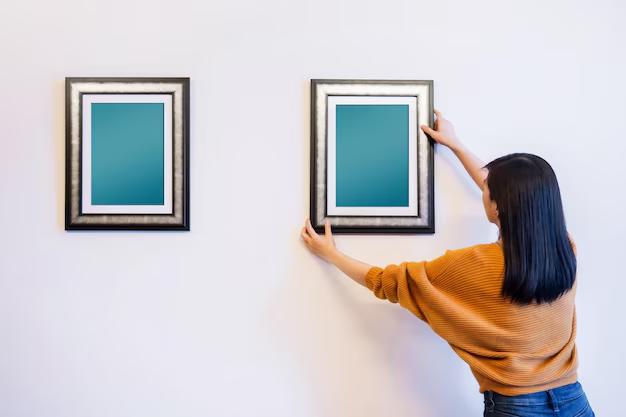
How To Hang Things On Walls Without Damaging Them
Hanging art, shelves, and décor makes a home feel finished — but lots of people hesitate because they’re worried about damaging the walls. That worry is reasonable: the “right” method depends on your wall type, item weight, and how long you want it to stay up.
This guide walks through the main options for hanging things with little or no damage, what they’re good for, and what to think about before you stick or drill anything.
Big picture: What “no damage” really means
When people say “without damaging walls,” they usually mean one (or more) of these:
- No holes at all
- Very tiny, easy-to-fill holes
- No peeling paint or torn drywall paper
- No visible marks when you move out
In practice, there’s a trade-off:
- Less damage = lower weight capacity (think small frames, lightweight décor)
- More capacity = more impact on the wall (nails, anchors, screws)
Your job is to match how important a pristine wall is (for example, in a rental) with how heavy/valuable the item is.
Step 1: Figure out what kind of wall you have
Different walls handle stress differently. Before choosing a hanging method, identify the surface.
Common interior wall types
| Wall Type | How to Recognize It | Typical Concerns |
|---|---|---|
| Drywall | Feels slightly soft; smooth paper surface; common in most homes | Holes, torn paper, pulled-off paint |
| Plaster | Hard, often in older homes; may crack if tapped; uneven in spots | Cracks, crumbling if drilled incorrectly |
| Concrete/Brick | Very hard; you’ll see masonry or exposed brick or block | Need masonry bits/anchors; patching is harder |
| Tile | Glazed, hard surface; usually in bathrooms, kitchens | Cracks or chips if drilled |
| Paneled/Wood | Visible wood or panel seams or grain | Splitting, visible holes |
Why it matters:
- Drywall: Easiest to damage with adhesives that pull off paint or with heavy loads in the paper surface.
- Plaster: Often doesn’t like impact; drilling must be slow and gentle, and adhesives can fail on dusty surfaces.
- Masonry/tile: Usually resistant to minor adhesive damage, but drilling is serious and hard to hide.
- Wood/paneling: Small nail holes are usually less noticeable, but chips and cracks stand out.
If you’re unsure, gently tap: hollow and slightly soft is usually drywall; hard and solid is usually plaster or masonry.
Step 2: Weigh and measure what you want to hang
How you hang something safely and gently depends on:
- Weight: The heavier it is, the more support you need.
- Size: Larger pieces catch more movement and pull on fasteners.
- Depth: Shelves or items that stick out put more leverage on the wall.
A rough way to think about it:
- Very light (paper, posters, fairy lights): tape, putty, very light adhesive hooks
- Light (small frames, small canvases): adhesive strips/hooks, small nails, picture hangers
- Medium (larger frames, small mirrors): multiple adhesive strips, hooks in studs, drywall anchors
- Heavy (large mirrors, cabinets, deep shelves): screws into studs, expansion anchors, or floor-standing alternatives
You don’t need exact weights, but “this is clearly heavier than a bowl of cereal” is a signal to be cautious with adhesives.
Main “no-hole” options: Adhesives and tension methods
These are the go-to methods for avoiding holes completely. All of them have limits, especially with weight and certain paints.
1. Adhesive picture hanging strips
These are the common velcro-style strips that stick to the wall and the back of a frame.
How they work
- One adhesive side sticks to the wall; the other to the frame.
- The fastener part clicks together like Velcro.
- When you remove them correctly, they’re designed to come off cleanly.
Best for:
- Smooth, clean, painted drywall
- Small to medium frames, canvases, and lightweight décor
- People who expect to move items regularly
Things that affect success:
- Wall finish: They tend to work best on smooth, standard paint. Flat, overly dusty, or textured paint may reduce adhesion.
- Surface prep: Oils and dust are the enemy. Wiping the area first often matters.
- Paint condition: Old, flaking, or poorly-adhered paint may still peel when strips are removed.
Risks to consider:
- In humid rooms (bathrooms, some kitchens), adhesion may weaken.
- On delicate or older paint jobs, even a “damage-free” strip can take paint off when removed.
2. Adhesive hooks and clips
These are stick-on hooks for keys, towels, fairy lights, and small items.
Best for:
- Keys, potholders, small decorations
- Temporary holiday lights or garlands 🎄
- Organizing light items in kitchens, bathrooms, and entryways (within their limits)
Variables to weigh:
- Weight rating: Manufacturers usually list a range. Exceeding that makes failure more likely.
- Moisture: Bathrooms and kitchens can cause adhesive to loosen faster.
- Surface type: High-gloss, glass, and smooth tile often hold well; chalky, dusty, or heavily textured walls often do not.
3. Painter’s tape and washi tape
Painter’s tape is made to release cleanly; washi tape is decorative and typically gentle.
Best for:
- Posters and prints
- Kid art galleries
- Temporary displays
Things that matter:
- Paint strength: Well-bonded paint usually handles quality painter’s tape well. Weak, old, or poorly-primed paint may still peel.
- Time on the wall: The longer tape stays up (months or years), the more risk that adhesive bonds to paint.
- Sun exposure: Direct sun can dry tape and make removal less predictable.
4. Poster putty / mounting putty
These are small, kneadable adhesive squares or strips you press behind lightweight items.
Best for:
- Thin posters, paper, lightweight foam-board prints
- Small, light decor items you’re willing to reposition
Variables:
- Porosity: Putty can stain porous surfaces like unfinished wood or matte, chalky paint.
- Heat: In warm rooms, putty can soften and items may sag.
- Removal: Usually comes off by “rolling” it off, but some residues might need gentle cleaning.
5. Tension solutions (no adhesives, no holes)
These rely on pressure between two surfaces rather than fasteners.
Examples:
- Tension rods between two walls for curtains or hanging light plants
- Floor-to-ceiling tension poles with shelves or hooks
Best for:
- Hanging lightweight curtains or privacy screens
- Creating vertical storage in bathrooms or closets
Things to consider:
- Wall strength: Soft plaster or fragile paint may dent under pressure.
- Load direction: Tension rods are strong for downward weight, not for side pulling or kids tugging on them.
Low-damage options with tiny holes
Sometimes a very small, easy-to-fill hole is a safer choice than loading a delicate paint job with adhesive. This is especially true for somewhat heavier items.
1. Thin nails and picture hooks
Basic options include:
- Finish nails: Small, thin nails tapped into drywall or wood
- Picture hanging hooks: Metal hangers with small nails angled into the wall
Best for:
- Light to medium framed art and mirrors
- Surfaces where tiny holes are acceptable or easy to patch
Benefits:
- Holes are small and usually simple to repair with filler and touch-up paint
- Hooks distribute weight better than a single nail
Variables:
- Whether you hit a stud: Nailing into a wood stud is stronger than nailing only into drywall.
- Weight: Overloading a small nail in plain drywall can cause it to pull out, leaving a larger divot.
2. Thin nails into existing trim or wood
When you have wood trim, picture rail molding, or paneling, you may be more comfortable putting small holes in wood than in the painted wall.
Options:
- Hooks over existing picture rails with cords or wires
- Small brad nails in trim or paneling for lightweight items
Things to think about:
- Wood is usually easier to patch cleanly than drywall, but holes still show up close up.
- Some historic trims or high-end millwork may be better left untouched, depending on your priorities.
When you actually need anchors, screws, or studs
For certain items, “no damage” in the strict sense (no holes) conflicts with basic safety.
These usually include:
- Large or heavy mirrors
- Deep shelves with books or storage
- Cabinets or wall-mounted TVs 📺
- Anything that could injure someone if it falls
For these, the safest setup is usually:
- Screws into wall studs, and/or
- Appropriate wall anchors rated for the material and load
These methods do create holes and may slightly crush the drywall around them — but they drastically reduce the odds of a sudden failure.
If you don’t want that kind of damage, alternatives sometimes include:
- Floor-standing furniture (bookcases instead of wall shelves)
- Leaning mirrors anchored with an anti-tip kit
- Freestanding coat racks or organizers
With safety-critical items, most people end up weighing risk of damage vs. risk of a serious fall.
Choosing the best “no or low damage” method for your situation
You can think of it as a simple decision tree:
How important is a truly mark-free wall?
- Very important (rental, upcoming sale, or brand-new paint)
- Moderately important (you’re comfortable with tiny, patchable holes)
- Less important (safety and stability are your top priority)
How heavy and deep is the item?
- Very light: paper, posters, fairy lights
- Light to medium: small/medium frames, decor
- Heavy: large mirrors, shelves, cabinets
How long do you want it there?
- Days or weeks
- Months
- Years
Here’s a simplified comparison:
| Priority / Item Type | Low/No-Hole Options to Consider | Trade-offs |
|---|---|---|
| Posters, prints, kids’ drawings | Painter’s tape, washi tape, poster putty | Risk of paint peel or residue over time |
| Small photo gallery wall | Adhesive strips, small adhesive hooks | Needs clean, strong paint; weight limits |
| Kitchen tools, keys, light organizers | Adhesive hooks, magnetic strips attached with strips or putty | Humidity and frequent use may weaken hold |
| Large frames or medium mirrors (non-glass-heavy) | Multiple adhesive strips OR small picture hooks with tiny nails | Strips depend on paint; nails leave holes |
| Heavy mirrors, shelves, TVs | Screws into studs, wall anchors, mounting systems | Visible holes and more involved patching |
The “right” approach depends on how you balance those columns.
How to reduce damage with adhesives
If you do go the adhesive route, how you apply and remove them matters.
Before sticking anything
- Clean the wall: Dust and oils stop adhesives from bonding to the paint, which makes failure (and damage when it falls) more likely.
- Dry completely: Moisture under adhesive can cause slow release.
- Test an inconspicuous area: If possible, try a small strip or piece behind furniture or low down.
Applying adhesive strips or hooks
- Press firmly for the time recommended on the package.
- Respect cure time if listed (some need a period before bearing weight).
- Stay under the suggested weight range, especially on older walls.
Removing them
Most adhesive hook systems are designed to come off cleanly if:
- You pull the tab straight down, slowly, not toward you.
- You keep pulling until the tab stretches fully and releases.
Peeling the adhesive straight out from the wall like a sticker is what usually takes paint with it.
How to minimize damage with nails and screws
If tiny holes are acceptable, you can still take steps to protect the wall as much as possible.
With small nails/picture hooks
- Use the smallest nail that safely holds the item.
- Angle the nail slightly upward; it holds more weight and disturbs less drywall.
- Avoid hammering too hard, especially on plaster, to prevent cracks.
With screws and anchors
- Choose the right anchor type for your wall:
- Plastic expansion plugs for light loads in drywall
- Toggle or molly bolts for heavier loads in drywall
- Masonry anchors for concrete or brick
- Drill pilot holes rather than forcing screws in, especially in plaster or masonry.
- Keep a mental map or photo record of anchor locations; it helps when patching later.
Common pitfalls that lead to damage (and how to avoid them)
Even the best product can cause damage if used in the wrong situation.
1. Using strong adhesives on weak paint
If the paint is:
- Fresh and not fully cured
- Flaking, chalky, or poorly bonded to the wall
- Layered over old wallpaper or compromised surfaces
Then an adhesive that grips well may take paint and even drywall paper with it when removed. In these cases, tiny nails into solid areas may be less damaging in the long run than strong adhesives.
2. Overloading “damage-free” solutions
Hanging something heavier than an adhesive strip or hook is meant for can lead to:
- Sudden failure (item falls and damages itself or surfaces)
- A larger damaged area when it pops off
- Stress on the paint layer that makes later removal riskier
When in doubt, under-load or add redundancy (for example, multiple strips on a larger frame, spaced along the top and bottom rails).
3. Ignoring humidity and temperature
High humidity and temperature swings can affect:
- Adhesives (soften, then let go)
- Tape (bond more strongly or dry out and crack)
- Putty (soften and slump)
Bathrooms, above stoves, or near heaters are where this often shows up. In those areas, mechanical fasteners (nails, screws) may be more predictable, depending on wall material and your tolerance for holes.
4. Relying on fragile surfaces
Heavily textured walls, brick with crumbling mortar, or dusty, chalky paint do not give adhesives a stable base.
On these surfaces, you may want to:
- Limit yourself to very light items, or
- Use mechanical fasteners directly into solid areas (studs, solid brick, trim)
What you’d want to think through before choosing a method
To pick the least damaging option that still does its job, you’ll want to be clear on:
Wall type and condition
- Is it drywall, plaster, brick, tile, or wood?
- Is the paint firm and well-adhered, or flaking and chalky?
- Is the surface smooth or heavily textured?
Item characteristics
- Rough weight and size
- Glass or breakable components
- How far it sticks out from the wall
How long it needs to stay put
- Seasonal/temporary vs. semi-permanent vs. years
- Whether you’ll want to frequently reposition it
Your tolerance for different kinds of “damage”
- Absolutely no holes vs. okay with tiny, patchable holes
- More worried about paint peeling vs. tiny nail marks
- Safety concerns if an item falls
Room environment
- Humidity, temperature changes, proximity to moisture
- Exposure to direct sun
You don’t need to have exact measurements or lab-level testing, but being honest about these variables helps you match your hanging method to your reality — and keeps surprises to a minimum.
For most people, “hanging things without damaging walls” ends up being a mix: adhesive solutions for light pieces and nail/screw-based solutions for anything that could cause trouble if it fell. The key is to understand the trade-offs so you can decide where you’re comfortable landing.