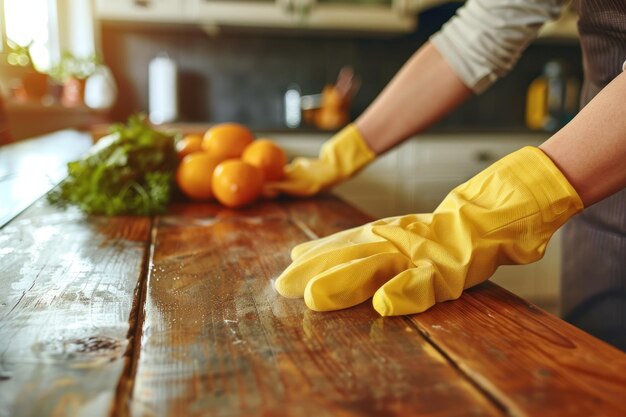
Cleaning Routines: How Everyday Habits Shape a Cleaner Home
Cleaning routines are the repeatable habits and schedules you use to keep your home from sliding into chaos. They sit inside the broader Cleaning & Organization category, but focus less on how to scrub a stain and more on when, how often, and in what order you do things.
Where “Cleaning & Organization” might cover storage systems, decluttering methods, or product types, Cleaning Routines zooms in on:
- What you choose to clean regularly
- How you break tasks into daily, weekly, and seasonal chunks
- How you decide what “clean enough” means in your own life
- How routines change when life gets busy, complicated, or stressful
This page maps out that landscape. It does not tell you the “right” way to clean. Instead, it explains what research and long-standing household management advice generally show about cleaning routines, why people build them, and how different situations call for different approaches.
Your own health, schedule, home size, culture, and priorities will shape what actually makes sense for you.
What Are Cleaning Routines, Exactly?
A cleaning routine is a repeated pattern of cleaning tasks done on a more or less predictable schedule. That schedule might be:
- Time-based: every day, once a week, once a month
- Trigger-based: when the sink is full, when guests are coming, when the trash smells
- Event-based: at the change of seasons, before holidays, after a renovation
The routine includes three main elements:
- Tasks – what gets done (dishes, floors, bathrooms, laundry).
- Frequency – how often you aim to do it.
- Sequence – in what order you tend to handle tasks (for example, tidy surfaces before vacuuming).
Within the broader Cleaning & Organization category, cleaning routines are the behavioral side:
- Organization focuses on systems and storage: where things go, how things are arranged.
- Cleaning focuses on removing dirt, dust, and clutter.
- Cleaning routines focus on patterns and rhythms: how you fit those actions into daily life so they actually happen.
This distinction matters because having the “right” tools or storage system rarely helps if there is no consistent routine to use them.
Why Cleaning Routines Matter: What Research Suggests
Most cleaning research comes from public health, environmental health, and behavioral science, not from “home care” alone. That means the evidence usually addresses broad patterns, not individual households.
Across those fields, several general themes show up:
Indoor air quality and dust: Studies have linked dust and indoor pollutants to respiratory symptoms, especially for people with asthma or allergies. Regular dusting, vacuuming, and ventilation can reduce some of these exposures. The strength of evidence is moderate; many studies are observational, so they highlight associations rather than proving cause-and-effect in every case.
Microbes and hygiene: Research on handwashing and surface cleaning in kitchens and bathrooms shows that targeted cleaning can reduce the spread of germs, particularly during illness or food preparation. This evidence is relatively strong, especially around hand hygiene, but less precise on exactly how often every surface should be cleaned in a typical home.
Clutter and stress: Several small-to-medium studies have found links between cluttered or chaotic homes and higher self-reported stress, lower perceived control, or more difficulty with focus. These are usually observational surveys. They cannot prove that mess causes stress (it may go both ways), but they do show a connection for many people.
Routines and follow-through: Research in habit formation and behavioral psychology suggests that small, repeated actions attached to existing routines are more likely to stick than large, occasional “overhauls.” Cleaning is often used as an example of how habits form when paired with cues (like “after dinner, clear the counters”).
These findings describe tendencies, not rules:
- Not everyone is sensitive to dust or clutter in the same way.
- Cultural norms and personal history dramatically shape what feels “messy.”
- Physical or mental health conditions can change what is realistic or safe.
A routine that looks ideal in a study or magazine may be unworkable, unnecessary, or even harmful stress-wise for a particular person.
How Cleaning Routines Actually Work in Daily Life
At this sub-category level, the focus shifts from “wipe the counter like this” to how routines are built, maintained, and adjusted.
1. The Building Blocks: Daily, Weekly, Monthly, Seasonal
Most routines are made from a mix of time horizons:
Daily tasks: Repeated often to prevent buildup
- Examples: dishes, wiping kitchen counters, quick bathroom sink wipe, putting away visible clutter.
Weekly tasks: Done once or a few times a week
- Examples: vacuuming or sweeping floors, changing towels, taking out trash and recycling, basic bathroom cleaning.
Monthly tasks: Handled less often but still regularly
- Examples: cleaning inside the microwave, wiping baseboards, dusting less-used surfaces, washing some linens.
Seasonal or annual tasks: Deeper or more disruptive jobs
- Examples: cleaning windows, shampooing carpets, decluttering closets, deep-cleaning appliances.
How people divide tasks across these categories varies based on:
- Pets or no pets
- Children or no children
- Allergies or sensitivities
- Home size and layout
- Climate and weather patterns
There is no universal schedule that research has proven “best” for all homes.
2. Task Sequences: The Order You Do Things
Another feature of cleaning routines is sequence:
- Many people find it more efficient to declutter surfaces before dusting or vacuuming.
- Some prefer to start laundry first, then clean other areas while the machine runs.
- Others handle all wet work (like mopping, tubs, sinks) in one block to minimize switching tools.
Expert housekeeping guides often promote “top-to-bottom, clean-to-dirty” sequencing: for example, dust higher surfaces first so debris falls onto already-dirty floors that will be cleaned later. This is a practical approach, not a strict rule.
3. Triggers and Cues: What Starts the Routine
Routines usually rely on cues rather than willpower alone:
- A time cue: “after breakfast,” “before bed,” or “Sunday afternoon.”
- A visual cue: a full hamper, crowded counter, or overflowing trash.
- A social cue: expecting company, room inspections in shared housing, or cultural norms around hospitality.
Behavioral research suggests that attaching a specific, small task to an existing cue (for example, “after brushing my teeth, I wipe the sink”) can make routines more automatic over time. But again, how effective this is varies by person and by life circumstances.
Key Variables That Shape Cleaning Routines
Two homes can look similar on paper and still need very different cleaning routines. Several variables often make a difference:
Household Composition and Lifestyle
- Number of people: More people often means more dishes, laundry, and dust stirred up.
- Children: Age of children affects types of messes (toys vs. mud vs. sports equipment) and how much supervision is needed.
- Pets: Fur, dander, litter, and outdoor dirt can significantly increase vacuuming, sweeping, and laundry needs.
- Guests and entertaining: Frequent hosting can drive routines focused more on common areas and bathrooms.
Health and Sensitivities
- Allergies and asthma: Research suggests regular dust removal and reduction of certain indoor allergens can help some individuals, but the exact routine needed differs widely.
- Mobility and energy: People with chronic pain, fatigue, or mobility limitations often adapt routines with shorter sessions, tools that reduce bending or reaching, or help from others.
- Sensory sensitivities: Strong smells or certain textures can limit which products or methods are comfortable to use.
Housing Type and Physical Space
- Size of the home: A studio apartment and a multi-story house present very different workloads.
- Flooring and surfaces: Carpets, hardwood, and tile each collect and show dirt differently.
- Storage availability: Limited storage can make it harder to keep surfaces clear and routines simple.
- Ventilation and humidity: Bathrooms without fans may need more frequent mold checks and wiping.
Time, Money, and Other Resources
- Work schedule: Shift workers, caregivers, and people with irregular hours often can’t rely on same-time-every-day routines.
- Access to tools and supplies: Vacuum quality, laundry access, and basic supplies shape what is realistic.
- Help from others: Roommates, partners, family, and paid services all change what an individual needs to handle alone.
Personal Preferences and Standards
- Cleanliness threshold: Some people feel comfortable with a bit of clutter, others find it highly stressful.
- Perfectionism or flexibility: Very high standards may lead to intense but harder-to-maintain routines; flexible standards might make routines more sustainable, but with more visible mess.
- Cultural norms: In some cultures, pristine floors or tidy guest spaces are especially valued; in others, warmth and hospitality matter more than visual perfection.
These variables explain why two people reading the same cleaning advice may experience completely different outcomes.
The Spectrum of Cleaning Routines: From Minimal to Highly Structured
Looking across homes and households, cleaning routines fall along several spectrums rather than into one right pattern.
Spectrum 1: Reactive vs. Proactive
Reactive routines: Cleaning happens when something bothers you—a smell, visible dirt, or urgent need. Dishes get washed when there are no clean ones left; floors get mopped when they feel sticky.
- Pros: Less planning, can feel more relaxed.
- Trade-offs: Mess may build up; unexpected events (guests, illness) may feel more stressful.
Proactive routines: Cleaning happens on a schedule, before mess becomes urgent.
- Pros: More predictable, can reduce last-minute scrambles.
- Trade-offs: Requires planning and consistency that may not suit every life stage.
Most people fall somewhere in between: certain areas (kitchen counters, bathrooms) might follow a schedule, while others (closets, guest rooms) get cleaned only when needed.
Spectrum 2: Detailed Systems vs. Simple Habits
Highly structured systems: Some people use checklists, rotating task calendars, or room-by-room schedules.
- Pros: Clear expectations, easier to track what was done.
- Trade-offs: Systems can feel rigid or overwhelming if life becomes unpredictable.
Simple habit clusters: Others rely on a few consistent “anchor” habits—like a 10-minute nightly tidy or a Saturday morning vacuum—without tracking every task.
- Pros: More intuitive, less paperwork.
- Trade-offs: Some tasks may be overlooked until they become obvious problems.
Spectrum 3: Individual vs. Shared Responsibility
- Solo routines: A single person handles most or all cleaning.
- Shared household routines: Tasks are divided or rotated among family members, roommates, or others.
Shared routines introduce additional questions:
- How are expectations communicated?
- What counts as “done” for each person?
- Are there agreed basic standards for hygiene vs. aesthetics?
Differences here can matter more than any particular mopping schedule.
Common Types of Cleaning Routines
Within that spectrum, a few broad patterns show up again and again. These are not labels anyone needs to adopt, but they help organize the subtopics this hub supports.
1. Daily Maintenance Routines
These are the small, frequent actions that keep mess from snowballing. They often focus on:
- Dishes and kitchen surfaces
- Quick bathroom checks (toilet, sink, mirror)
- Laundry starts or folds
- A brief “reset” of main living spaces
Daily routines usually aim to:
- Reduce visible clutter
- Keep odors in check
- Make the next day’s tasks easier
Behavioral research on habit formation suggests that short, consistent daily actions are often easier to maintain than occasional major overhauls. But there is wide variation in what “daily” means—some people do multiple short bursts, others one longer session.
2. Weekly and Biweekly Cleaning Routines
Weekly routines usually include heavier or more time-consuming tasks:
- Vacuuming or sweeping all main floors
- Thorough bathroom cleaning
- Changing sheets and washing towels
- Emptying all trash and recycling
- Wiping more surfaces and touchpoints
Many people pick one or two “cleaning days” per week; others spread tasks across days in smaller chunks. The best-known household management systems usually revolve around some form of weekly rhythm, but these are patterns, not required structures.
3. Deep Cleaning and Seasonal Routines
Deep cleaning routines tackle areas that don’t need weekly attention but can cause problems or frustration if ignored too long:
- Inside ovens, refrigerators, and kitchen cabinets
- Window washing and curtain or blind cleaning
- Detailed bathroom scrubbing (grout, behind toilets)
- High or hidden dust (tops of cabinets, under heavy furniture)
Seasonal routines often overlap with decluttering and organization, focusing on:
- Rotating wardrobes or bedding
- Checking for damage (mold, leaks, pests)
- Cleaning outdoor areas or entryways
Public health and building maintenance guidance sometimes suggests periodic checks for mold, pests, or safety hazards; how often that is needed depends heavily on climate, building age, and local conditions.
4. Event-Based and “Crisis” Cleaning Routines
Some routines are built around specific events:
- Preparing for guests or holidays
- Cleaning up after illness
- Responding to spills, breakages, or pet accidents
- Moving in or out of a home
Event-based routines tend to be more intense and time-limited. Public health guidance often emphasizes extra attention to cleaning during and immediately after contagious illness, particularly for shared surfaces and textiles, but the specifics vary by illness and local recommendations.
Comparing Different Cleaning Routine Approaches
To make sense of the options, it can help to see how different routine styles stack up in broad terms. This table summarizes general characteristics, not rules.
| Approach Type | Typical Features | Potential Benefits | Possible Trade-offs |
|---|---|---|---|
| Highly scheduled | Set days for tasks; written checklists | Predictable; easier to delegate or share | May feel rigid; hard to sustain during disruptions |
| Lightly structured | A few anchor habits; flexible timing | Adaptable; lower mental load | Some tasks may get postponed repeatedly |
| Mostly reactive | Clean when mess is noticeable or urgent | Little planning; can feel more relaxed | Buildup may cause stress or hygiene issues |
| Zone/room-based | Focus on one area at a time, rotating weekly | Clear focus; sense of completion | Some tasks might be duplicated or missed |
| Time-blocked | Clean for a set time (e.g., 15 minutes/day) | Works with uncertain schedules; easy to start | Critical areas may be skipped if time is short |
Evidence does not clearly show that one of these is “healthier” than all others for every person. Outcomes depend on:
- Whether essential hygiene tasks (like safe food handling and basic bathroom cleaning) are happening often enough for that household
- How stressful or sustainable the routine feels for the people living with it
- Specific health needs, such as allergies or immune system concerns
How Cleaning Routines Intersect With Organization and Decluttering
Cleaning routines rarely stand alone. They interact with organization in several ways:
- Cluttered spaces take longer to clean: More items sitting out means more to move, dust around, or avoid.
- Organized storage can simplify routines: When items have clear homes, quick resets (like “put everything back”) are easier.
- Decluttering can change routine needs: Fewer knickknacks might mean less dusting; fewer clothes might change laundry frequency.
At the same time, some people use cleaning routines as a way to chip away at clutter, doing a small amount of tidying or sorting during daily or weekly tasks.
There is some evidence that environments with less visible clutter can be associated with lower reported stress for some people, but again, individual responses vary. What feels comfortably “lived in” to one person may feel overwhelming to another.
Key Subtopics Readers Often Explore Next
Within the “Cleaning Routines” sub-category, people tend to move from this overview into more focused questions. These subtopics each involve their own decisions, trade-offs, and situational factors.
Daily Cleaning Routines for Different Household Types
Many readers want to know what a realistic daily routine can look like for:
- Single adults with limited time
- Families with young children or teens
- Households with pets
- Multi-generational homes
Articles in this area often break down examples of morning, afternoon, and evening routines, and discuss how people adapt when schedules change or energy is limited.
Weekly and Monthly Cleaning Schedules
This subtopic looks at sample weekly or monthly plans, how to:
- Cluster similar tasks together
- Spread work across the week vs. dedicating one “big cleaning day”
- Adjust routines for smaller apartments vs. larger homes
People also generally want guidance on how often different areas typically get cleaned in many homes, understanding that their needs may be higher or lower.
Cleaning Routines for Allergies, Asthma, or Sensitivities
Here, the emphasis is on how some households adapt routines when:
- Dust or pet dander is a problem
- Mold or moisture is a concern
- Strong scents or certain cleaners are intolerable
Research in environmental health and allergy care often informs general advice here, though specific medical needs belong with healthcare professionals.
Low-Energy, Disability-Friendly, or Time-Limited Routines
Many people live with chronic illness, disability, or extreme time pressure. Subtopics in this area explore:
- Breaking tasks into very small units
- Rotating focus areas so nothing is ignored indefinitely
- Prioritizing essential hygiene tasks over purely cosmetic ones
- Exploring tools or arrangements that reduce physical strain
Evidence from occupational therapy and disability studies highlights how task modification and pacing can make routines more accessible, but what works is deeply individual.
Family and Shared Household Cleaning Routines
When more than one person shares a space, questions arise about:
- Dividing tasks fairly
- Teaching children age-appropriate cleaning habits
- Navigating different standards of “clean”
- Handling conflict over mess or undone chores
Social science research on household labor shows that perceived fairness and clear communication matter at least as much as the specific task list.
Deep Cleaning and Seasonal Checklists
This subtopic focuses on the less frequent, higher-effort tasks and how people:
- Decide which deep cleaning jobs are worth doing in their situation
- Schedule them across the year
- Combine decluttering, safety checks, and maintenance with cleaning (like checking smoke alarms while spring cleaning)
Building science and home maintenance guidance often inform these routines, especially around moisture, ventilation, and safety.
Cleaning Routines During Illness or After Contamination
Households often look for information on:
- Extra precautions when someone in the home is sick
- How and when to clean shared surfaces, bedding, and clothing
- How long to maintain heightened routines
Public health agencies provide the most up-to-date guidance here, especially during outbreaks or for specific infections.
Thinking About Your Own Situation
Across all these subtopics, one theme stays constant: the “right” cleaning routine depends on your context. General research and expertise can highlight:
- Why regular cleaning may matter for health and comfort
- How habits and cues can make routines more automatic
- Common patterns people use to divide tasks over time
But they cannot know:
- How much time or energy you have on a typical day
- Which kinds of mess stress you out and which you barely notice
- Any health conditions or sensitivities affecting what is safe or practical
- Cultural or personal expectations for how your home should feel
As you explore more detailed guides within this “Cleaning Routines” sub-category, the most useful question often is not, “Is this the right routine?” but, “Which parts of this might fit my reality, and which do not?”
Cleaning routines are, at their core, negotiated patterns between your space, your body, your schedule, and your values. The research and examples can illuminate what is possible and what commonly works, but they do not replace your own judgment or, where relevant, advice from qualified professionals in health, housing, or environmental safety.