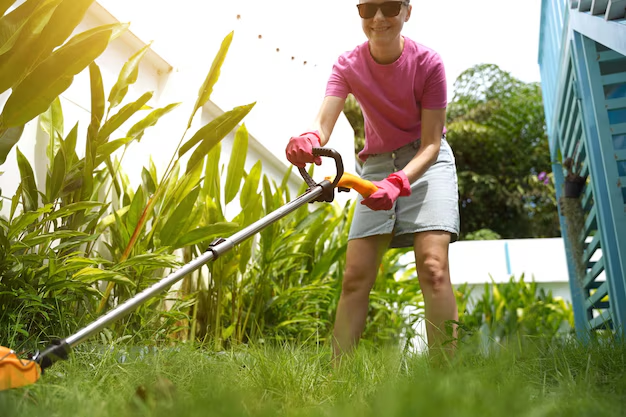
Lawn Care: A Practical, Research-Informed Guide to Healthier Lawns
Lawn care sits at the point where soil science, plant biology, climate, and everyday habits all meet. It is a specific slice of the broader Lawn & Garden world: instead of covering everything you could grow outdoors, lawn care focuses on the living carpet of grass around homes, parks, and shared spaces.
This page walks through how lawn care works, what experts and research generally show, and which factors tend to shape outcomes. It does not tell you what you should do. That depends heavily on your climate, soil, budget, time, priorities, and local rules.
Instead, think of this as the map. Your own situation is the missing legend.
What “Lawn Care” Actually Covers
Within the broader Lawn & Garden category, lawn care usually includes:
- Establishing a lawn (seeding, sodding, or alternatives)
- Maintaining turf health (mowing, watering, fertilizing)
- Managing soil (aeration, topdressing, pH adjustments)
- Handling weeds, insects, and diseases
- Repairing damage (bare spots, thinning, compacted areas)
- Considering environmental impacts (water use, runoff, habitat)
It does not automatically include larger landscaping decisions, hardscaping, vegetable gardens, or tree care, although those interact with lawns.
The distinction matters because:
- Grass behaves differently from shrubs and flowers. Its growth, root systems, and nutrient needs are unique.
- Many common lawn issues (like brown patches or weeds) stem from how mowing, watering, and soil are handled over time, not just from a single event.
- The trade-offs around lawns—water use, fertilizer runoff, biodiversity, and appearance—are specific enough that they are often debated on their own.
Most people arrive at lawn care questions from one of three angles:
- “My lawn looks bad. How do I fix it?”
- “I want a healthy yard, but I’m concerned about chemicals, water, or time.”
- “I’m starting from scratch and don’t know where to begin.”
The same lawn care basics underlie all three, even though the decisions and priorities can look very different.
How Lawn Care Works: Core Concepts and Mechanisms
At its heart, lawn care is about supporting a dense, healthy stand of turfgrass so it can outcompete weeds, resist pests, and tolerate stress. Research in turfgrass science, soil science, and horticulture generally points to a few core mechanisms.
Grass as a System: Roots, Shoots, and Soil
Lawns look like a flat surface, but they are a layered system:
- Roots anchor the plant, store energy, and take up water and nutrients. Deeper, denser roots generally mean better drought and stress tolerance.
- Shoots (leaves and stems) capture sunlight and perform photosynthesis, which fuels growth and repair.
- Soil functions as both a physical support and a living environment. Its structure, organic matter, and biology influence how well grass can grow.
Studies in turfgrass management consistently show that many visible problems above ground (yellowing, thinning, weed invasions) tie back to conditions below ground (compaction, poor drainage, low nutrients, or imbalanced pH), not just to surface-level care.
The Growth Cycle: Cool-Season vs Warm-Season Grasses
Different grass types have different natural growth peaks:
- Cool-season grasses (like Kentucky bluegrass, perennial ryegrass, many fescues) grow most actively in spring and fall and may struggle in summer heat.
- Warm-season grasses (like Bermuda, zoysia, St. Augustine) grow most actively in warmer months and may go dormant and brown in colder temperatures.
Research and extension guidance generally agree that:
- Timing most major lawn care tasks (like fertilizing, overseeding, and some weed control) around the grass’s active growth period improves results and recovery.
- Doing the same task at the wrong time of year can be less effective or even harmful.
Which seasonal “rhythm” applies depends on your climate and grass species, so general calendars are often region-specific.
The “Big Four” Maintenance Practices
Most lawn health revolves around four routine practices:
- Mowing
- Watering (irrigation)
- Fertilizing (nutrient management)
- Soil management (aeration, compaction, pH)
These are not just chores; they each alter the plant and soil in specific ways.
Mowing: Height, Frequency, and Stress
Research and extension guidance commonly emphasize:
- Cutting height: Taller grass (within the recommended range for the species) usually develops deeper roots, shades soil, and competes better with weeds.
- Frequency: Following the “one-third rule” (not removing more than about one-third of the leaf blade at a time) generally reduces stress on the plant.
- Clippings: Returning clippings to the lawn, when done properly, can recycle nutrients and often does not cause thatch buildup in most cases, according to turf studies.
Very short, infrequent mowing can stress grass, reduce root depth, and create opportunities for weeds, but some people accept that trade-off for a particular look or for easier play, which shows how preferences matter.
Watering: Deep vs Frequent
Watering practices influence root depth, disease risk, and resource use. Research in turfgrass irrigation generally finds:
- Infrequent, deep watering tends to encourage deeper roots and more drought resilience.
- Frequent, shallow watering often keeps roots close to the surface, leaves grass more vulnerable to dry spells, and can promote some fungal diseases.
However, real-world constraints like water restrictions, soil type, and local climate can limit what is possible. Some soils (like heavy clays) cannot absorb large amounts of water at once without runoff, so “deep” watering has to be adjusted.
Fertilizing: Nutrients and Growth Balance
Grass needs key nutrients—most notably nitrogen, but also phosphorus, potassium, and micronutrients. Studies and expert guidance generally suggest:
- Adequate nitrogen supports color, density, and recovery from wear.
- Too much nitrogen, especially at the wrong times, can cause excessive top growth, stress the plant, increase thatch, and raise the risk of nutrient runoff or leaching.
- Phosphorus use is often restricted or regulated in many regions because of its strong link to water pollution when it runs off into lakes and rivers.
So while fertilizer can help lawn performance, how much, what kind, and when to apply depends heavily on soil tests, local rules, and your goals.
Soil and Compaction: Air and Water Movement
Healthy soil is not just “dirt.” It:
- Holds water while letting excess drain.
- Provides air spaces roots need.
- Houses microorganisms that help cycle nutrients.
Foot traffic, heavy equipment, and repeated use can compact soil, squeezing out air spaces and making it harder for roots to penetrate. Research shows that compaction can reduce root growth and water infiltration, which then affects grass health.
Common soil-related practices in lawn care include:
- Core aeration: Removing small plugs of soil to relieve compaction and improve air and water movement.
- Topdressing: Spreading a thin layer of compost or soil mix to gradually improve structure and organic matter.
- pH adjustment: Applying lime or other amendments where tests show soil is too acidic or alkaline for the grass species being grown.
Whether any of these make sense for a given lawn depends on the existing soil conditions, which are not always obvious just by looking at the surface.
Key Variables That Shape Lawn Care Outcomes
Two lawns can receive the same treatment and still behave very differently. Research and field experience both show that outcomes are shaped by a mix of factors.
1. Climate and Region
Climate affects:
- Which grasses can survive long-term.
- How much water is needed to keep a lawn green.
- What diseases and pests are common.
For example, warm, humid areas often see more fungal diseases; arid regions face water scarcity; northern climates have shorter growing seasons.
Many university extension programs publish region-specific recommendations because broad “one-size-fits-all” schedules often miss these local realities.
2. Grass Species and Variety
Different turfgrass species and cultivars vary in:
- Drought tolerance
- Shade tolerance
- Wear resistance
- Disease susceptibility
- Growth rate and texture
A grass that thrives in full sun and frequent use (like athletic fields) may thin out in shade or struggle in cold. Conversely, some fine fescues may tolerate shade better but dislike high traffic or heat.
The “right” grass depends on how the lawn will be used, the microclimate of the site, and how much maintenance someone is willing or able to provide.
3. Soil Type and Condition
Soils differ in:
- Texture (sand, silt, clay)
- Drainage
- Nutrient-holding capacity
- Organic matter
- pH
Research shows that sandy soils drain quickly and may need more frequent watering and fertilizing, while clay soils may hold water longer but compact more easily and drain poorly. Soil tests, where available, are a standard tool in turf and agriculture because they provide a more accurate picture than guesswork.
4. Sunlight, Shade, and Microclimates
Within the same yard, conditions can vary dramatically:
- Areas under trees may get limited light and compete with roots for water.
- South-facing slopes may dry out faster.
- Low spots may collect water and stay wet longer.
Grass species have limits on how much shade they tolerate. Even shade-tolerant types struggle with very dense, continuous shade, which is why some people mix lawn alternatives or groundcovers in those areas.
5. Use and Wear
How a lawn is used shapes what is realistic:
- Constant play, pets, or sports put heavy wear on turf.
- Decorative front lawns experience less traffic, so different grasses or heights may work.
- High-wear lawns typically need more aggressive maintenance and repair to stay dense.
Studies on sports fields show that intensive use can be managed, but only with higher inputs of water, nutrients, and overseeding. Homeowners may or may not want to mirror that level of input.
6. Time, Budget, and Tools
Level of care depends on:
- How much time someone can spend on mowing, watering, and seasonal tasks.
- Access to tools (like spreaders, aerators, or irrigation systems).
- Budget for seed, soil amendments, or professional services.
Research-based best practices often assume certain tools or regular attention. When those are not available, people usually adapt, simplify, or accept a different standard of appearance.
7. Environmental and Personal Priorities
People’s goals vary:
- Some want a uniform, golf-course-style lawn.
- Others prefer a mixed “yard” with clover, wildflowers, or more naturalized areas.
- Some prioritize low water use or limited chemical inputs over perfect appearance.
Evidence from environmental studies points to trade-offs: frequent fertilizer and pesticide use can support a very uniform lawn but contributes to potential environmental impacts, while low-input or “eco-lawn” approaches may tolerate more diversity and seasonal change.
A Spectrum of Lawn Care Approaches
Because of those variables, lawn care falls along a spectrum rather than a single “correct” approach. The table below offers a general comparison; individual situations can fall anywhere in between.
| Approach Type | Typical Goals | General Characteristics (not prescriptive) | Common Trade-offs |
|---|---|---|---|
| High-Input / High-Uniformity | Dense, very uniform green lawn | Frequent mowing, regular fertilization, irrigation, weed/pest control | Higher costs, time, and environmental footprint |
| Moderate / Balanced | Healthy, “good-looking” lawn | Routine mowing, targeted fertilizing and watering, spot treatments | Middle-of-the-road effort and appearance |
| Low-Input / Naturalized | Functional green space, some diversity | Higher mowing, little or no fertilizer, mixed species tolerated | Less uniform look; often lower costs and inputs |
Research does not label any one of these as universally “best.” Outcomes such as lawn density, biodiversity, and resource use differ among them, but which balance is acceptable is a personal and local decision.
Common Lawn Care Questions and Subtopics
Within this broad landscape, several subtopics tend to come up repeatedly. Each can be explored in much more detail, but this overview shows how they connect.
1. Lawn Establishment and Renovation
Starting a lawn or fixing a severely damaged one involves choices like:
- Seeding vs. sodding vs. sprigging: These methods differ in cost, time to establish, and labor. Research typically shows similar long-term performance when properly matched to site and species, but early care requirements vary.
- Soil preparation: Removing debris, addressing severe compaction, and adjusting pH before planting often improves establishment rates.
- Timing: Establishment success is strongly linked to seeding or sodding during a grass’s favored season, when temperatures and moisture are supportive.
People in different climates face different “windows” for successful establishment, and weather variability adds uncertainty.
2. Mowing Practices
Within mowing, readers often explore:
- Optimal height for their grass type and goals.
- Mower type (rotary vs reel, gas vs electric vs manual) and how it affects cut quality.
- Mowing pattern and frequency, including how often is practical vs ideal to reduce stress.
Research consistently notes that sharp blades produce cleaner cuts, which can reduce water loss and disease entry points, though the effect size varies.
3. Watering and Irrigation Strategies
Water questions often center on:
- How much water lawns generally need in a given region or season.
- Signs of water stress, like footprints that persist or color change.
- Irrigation methods (sprinklers, in-ground systems, hoses) and their efficiency.
Studies on landscape irrigation show that many lawns are watered more than necessary, leading to waste and potential nutrient runoff, but under-watering can also cause thinning and weed invasion. Local regulations and water costs also influence decisions.
4. Fertilizers and Soil Amendments
Within fertilization, key subtopics include:
- Reading fertilizer labels and understanding N-P-K (nitrogen, phosphorus, potassium).
- Slow-release vs quick-release nitrogen sources and how they affect growth patterns and runoff risk.
- Soil testing to determine if and where nutrients or pH adjustments are actually needed.
- Organic vs synthetic fertilizers: These differ in nutrient concentrations, release patterns, and regulatory treatment, with research showing that both can support lawns when used appropriately but may differ in cost, labor, and environmental footprint.
The strength of evidence is generally good around nutrient behavior and runoff; however, long-term comparative studies in home lawns specifically are more limited than in agricultural or institutional turf.
5. Weed Management and Lawn Diversity
Weeds are one of the most visible lawn concerns. Key questions include:
- What counts as a “weed”: In research and extension literature, a weed is simply a plant where it is not wanted, which is subjective.
- Pre-emergent vs post-emergent controls: These categories reflect whether products aim to prevent seeds from establishing or target established plants.
- Cultural controls: Practices like proper mowing height, overseeding, and good soil health can help turf compete, potentially reducing weed pressure over time.
Some people now deliberately include species like clover for nitrogen fixation and pollinator support, accepting a more mixed appearance in favor of ecosystem benefits. Studies show that more diverse lawns can support greater insect biodiversity, but may not meet traditional neighborhood expectations.
6. Insect Pests and Diseases
Not every brown spot is a disease, and not every insect is harmful. Subtopics involve:
- Common lawn diseases (such as various fungal “patch” diseases) and the conditions that favor them (e.g., prolonged leaf wetness, certain temperatures).
- Insect pests (like grubs or chinch bugs) that damage roots or shoots, and how to distinguish significant infestations from minor presence.
- Integrated pest management (IPM) concepts, which emphasize monitoring, thresholds for action, and choosing interventions that minimize non-target effects.
Research generally supports IPM as an effective framework to reduce unnecessary chemical use while maintaining acceptable lawn quality, though the specific thresholds and tools differ by pest and region.
7. Thatch, Aeration, and Soil Health
Beneath the grass blades, the thatch layer—a mix of stems, roots, and organic material—can accumulate. Turf research indicates:
- A thin thatch layer can be beneficial, cushioning traffic and reducing soil temperature swings.
- Excessive thatch can impede water and nutrient movement and harbor pests.
Aeration and dethatching are two ways people address these issues, but whether and when they are useful depends on actual thatch thickness, soil compaction, and turf response.
Soil health discussions increasingly include:
- Organic matter levels and their role in water-holding capacity and nutrient cycling.
- Microbial life in the soil, which interacts with roots and organic residues. While this is an active research area, practical applications in home lawns are still developing, and claims about specific soil “biostimulants” often outpace peer-reviewed evidence.
8. Overseeding, Repair, and Seasonal Transitions
Lawns experience wear, weather damage, and seasonal stress. Related topics include:
- Overseeding to maintain density and fill in thin areas, especially in cool-season regions.
- Patch repair techniques for bare spots from traffic, pets, or localized disease.
- Dormancy vs death: distinguishing between grass that has gone temporarily dormant in heat or cold and grass that has actually died.
Research supports the idea that maintaining turf density is one of the most effective long-term strategies for resisting weeds and erosion, but how often overseeding is needed varies widely.
9. Environmental and Health Considerations
A growing body of research looks at:
- Runoff and leaching of nutrients and pesticides from lawns into ground and surface waters.
- Urban heat: lawns can reduce surface temperatures compared to bare soil or hardscape, but have different impacts than tree canopy or native vegetation.
- Biodiversity: traditional monoculture lawns tend to support fewer species than more diverse plantings, though specific outcomes depend on plant mix and management.
Evidence is fairly strong on nutrient and pesticide transport in highly managed turf, though many studies focus on large-scale or institutional settings rather than individual homes. Application methods, timing, and rates all matter, as do local soils and rainfall patterns.
People balance these findings differently. Some pursue “no-chemical” approaches and accept more weeds or seasonal browning; others follow labeled products carefully to manage specific problems. Scientific literature does not yet fully capture long-term, large-scale comparisons across all these real-world combinations.
10. Alternatives and Lawn Reductions
For some, the most important lawn care decision is how much lawn to have at all. Subtopics here include:
- Replacing parts of lawn with groundcovers, native plantings, or hardscape.
- Installing lower-maintenance “meadow” or “prairie-style” areas where local conditions allow.
- Choosing “low-mow” or slower-growing turf where it suits climate and use.
Research on water use and biodiversity typically finds that reduced-lawn or more diverse plantings can lower irrigation demands and support more species, though establishment and maintenance knowledge is still evolving and can be site-specific.
How Different People Experience Lawn Care
All of these topics exist against the backdrop of real lives. The same lawn care information lands very differently depending on who is reading.
- A busy family might value durability and play space more than perfect uniformity and might accept some weeds in exchange for less time spent on detailed care.
- A lawn enthusiast may enjoy the technical aspects of timing, species selection, and fine-tuned nutrient management and choose higher-input practices as a hobby.
- Someone in a drought-prone region may center decisions around water limitations, even if that means parts of the lawn go dormant in summer.
- A renter or someone with limited mobility may focus on minimal-maintenance options or small, manageable improvements rather than full-scale renovation.
Research can show likely effects of certain practices—such as how mowing height typically affects root depth or how irrigation schedules influence water use—but it cannot decide which trade-offs are right for any individual or household.
Using This Hub to Explore Further
From here, readers typically branch into more detailed guides on topics such as:
- How to identify your grass type and align care with its growth cycle
- Region-specific calendars for mowing, watering, and fertilizing
- Step-by-step seeding, sodding, and overseeding processes
- Reading soil tests and interpreting nutrient and pH results
- Comparing weed management approaches, including low-chemical or no-chemical options
- Understanding common lawn diseases, pests, and integrated pest management
- Evaluating lawn alternatives and mixed-use yard designs
Each of those areas involves its own decisions, trade-offs, and unknowns. The consistent theme across all of lawn care is that context matters: climate, soil, species, use, constraints, and personal priorities shape what is practical, what is effective, and what feels worthwhile.
No single routine or product can guarantee a particular outcome, but a clearer understanding of how lawns work can make it easier to ask better questions and interpret the options available in light of your own situation.