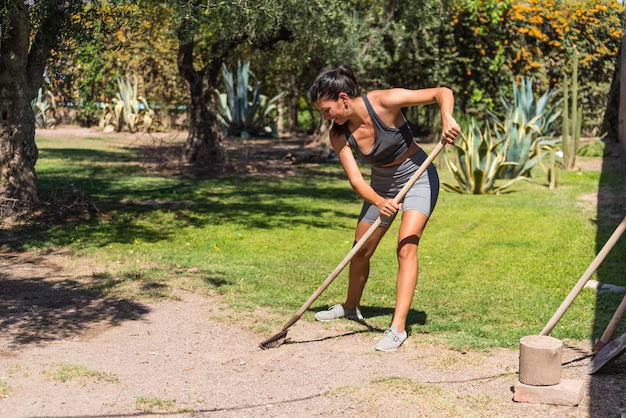
How to Fix Bare Patches in Your Lawn: A Step‑by‑Step Guide
Bare spots in a lawn are like potholes in a road: annoying to look at, rough to walk on, and usually a sign that something else is going on. The good news is that most bare patches can be repaired with some simple steps and a little patience.
This guide explains why bare patches happen, different ways to fix them, and what to consider for your yard, climate, and grass type so you can decide what fits your situation.
Why Your Lawn Gets Bare Patches in the First Place
Before you repair a bare spot, it helps to know why it appeared. Otherwise, the patch may just come back.
Common causes include:
- Heavy foot traffic – Paths where people or pets always walk
- Pet urine – Especially dogs, which can create small burned circles
- Shade and competition – Areas under trees or near shrubs with dense roots
- Poor soil – Compacted, rocky, sandy, or very thin soil
- Drought or heat stress – Grass dries out or goes dormant, weeds take over
- Disease or pests – Fungal diseases, grubs, or other insects
- Chemical damage – Fertilizer spills, de-icing salts, fuel leaks, or herbicide drift
- New construction or yard work – Areas dug up or driven over by equipment
Each cause may call for a slightly different repair approach. For example:
- High-traffic areas might benefit from stronger grass varieties or a stepping stone or path.
- Heavily shaded areas might need shade-tolerant grasses or even ground covers instead of lawn.
- Pet-damaged spots may require soil flushing and replacement before reseeding.
The right fix depends on what’s causing the damage in your yard, your climate, and how much time and effort you want to spend.
Seed, Sod, or Patch Mix: Which Bare-Spot Repair Method Fits You?
There are three main ways to repair bare patches:
| Method | What It Is | Typical Pros | Typical Cons |
|---|---|---|---|
| Overseeding/Spot Seeding | Spreading grass seed on prepared soil | Low cost, flexible, good for many small spots | Needs consistent watering; slower to fill in |
| Sod Patches | Small pieces of mature turf grass | Instant coverage, less weed competition | More expensive, must match existing grass |
| Patch/Repair Mix | Blend of seed + mulch + fertilizer | Convenient, simple application for small areas | Costlier per square foot than basic seed |
Which one makes sense depends on:
Size of the bare patch
- Tiny to small spots: Seed or patch mix usually works well.
- Larger areas: Seed is more economical; sod gives instant coverage if you’re willing to spend more.
Your climate and season
- Some grasses repair better from seed in cooler seasons; others prefer warm conditions.
Your patience level
- Sod = fastest result.
- Seed = slower, but often the most cost-effective for many homeowners.
You don’t have to use just one approach. Some people seed most bare areas and use sod in a few high-visibility spots.
Step 1: Identify Your Grass Type and Climate Zone
How you fix bare patches depends a lot on what kind of grass you have and where you live.
Cool-season vs. warm-season grasses
Most lawns fall into one of two broad groups:
Cool-season grasses (often found in cooler or transitional climates)
Examples: Kentucky bluegrass, perennial ryegrass, fescues- Grow best in spring and fall
- Often stay somewhat green in cool weather
- Can thin out or go dormant in hot, dry summers
Warm-season grasses (often found in warmer or southern climates)
Examples: Bermuda, Zoysia, St. Augustine, centipede- Thrive in late spring and summer
- Often turn brown and dormant in cooler months
- Can be slow to green up in spring
Knowing which general type you have helps you decide:
- Best time to repair (cool-season repairs often do best in early fall or spring; warm-season usually in late spring or early summer)
- What seed or sod to buy (you usually want to match your existing lawn type and variety as closely as possible)
- How quickly the patch may fill in (some grasses spread sideways on their own, others don’t)
If you’re not sure what grass you have, you might compare blades and growth habits to online guides, or ask a local garden center or extension office. You don’t need a perfect identification, but knowing “cool-season vs. warm-season” is useful.
Step 2: Fix the Underlying Problem Before You Reseed
Simply throwing seed on a bare spot without addressing the cause is like painting over a leak: it hides the problem, but doesn’t solve it.
Here are common underlying issues and what homeowners often consider:
| Issue | Signs You Might See | What People Commonly Do (In General) |
|---|---|---|
| Compacted soil | Hard, dense soil; water pools or runs off | Loosen with a hand rake, garden fork, or core aeration |
| Pet urine | Small circular dead patches, sometimes green edge rings | Flush with water, sometimes remove and replace topsoil |
| Deep shade | Thin, weak grass; moss; tree roots visible | Prune trees, choose shade-tolerant grass, or groundcover |
| Poor drainage | Standing water after rain | Adjust grading, add organic matter, or consult pros |
| Disease or pests | Uneven dead patches, wilting, bugs or grubs seen | Identify problem; may need targeted lawn treatment |
| Chemical damage | Sharp-edged dead areas where spills occurred | Remove contaminated soil and replace |
You may not track down every cause perfectly, but paying attention to patterns (always bare under one tree, always bare along a path, etc.) helps you choose a sensible approach.
Step 3: Prepare the Bare Patch Properly
Good preparation is more important than which bag of seed you buy.
Basic prep steps most homeowners follow:
Remove debris
- Rake away dead grass, thatch, sticks, rocks, and weeds.
- Pull weeds by the root so they don’t come right back.
Loosen the soil
- Use a hand rake, hoe, or garden fork to loosen the top inch or two of soil.
- Break up hard clumps so new roots can spread.
- For very compact spots, some people go deeper or consider aerating the whole area.
Improve soil if needed
Depending on your soil, this might mean:- Mixing in compost to add organic matter and nutrients
- Adjusting grade (slope) so water doesn’t sit in the patch or run off too fast
- For extremely sandy or clay-heavy spots, blending in better-quality topsoil
Level the area
- Smooth with a rake so the repaired patch is flush with the surrounding lawn, not sunken or raised.
- Slightly firm the soil with your hands or the back of a rake, without compacting it solid.
Some people skip parts of this prep and still see some improvement, but thorough prep typically increases the odds of a healthy, lasting repair.
Step 4: Choose and Apply Seed, Sod, or Patch Mix
Now you’re ready to actually repair the spot.
Option 1: Fix bare patches with grass seed
Spot seeding is the most common approach.
Pick a seed type that matches your lawn and climate
- Look for a mix designed for sun, shade, or sun/shade, depending on your patch.
- Try to match cool-season with cool-season, warm-season with warm-season as closely as you can.
Spread the seed evenly
- For small spots, you can distribute seed by hand.
- You’re aiming for a light, even coverage, not a solid layer of seed piling up.
Gently rake the seed into the soil
- Lightly drag a rake over the area to mix seed into the top ¼ inch of soil.
- Seed needs good contact with soil to germinate.
Top-dress lightly (optional but common)
Many homeowners:- Sprinkle a thin layer of compost, fine soil, or a seed-starter mulch on top.
- This helps keep seed moist and protected from birds, without burying it too deeply.
Option 2: Patch with sod
Sod is pre-grown grass with soil attached, sold in rolls or squares.
Cut sod to fit the bare patch
- Use a sharp knife to cut a piece slightly larger than the patch.
Trim and shape
- Place the sod piece over the patch and trim edges so it fits snugly, with no big gaps.
Ensure good soil contact
- Press the sod down firmly by hand or with your feet.
- Some people gently roll it with a lawn roller for better contact.
Check the height
- The sod’s surface should match the height of surrounding grass, not sit higher or lower.
Option 3: Use a patch or repair mix
Patch mixes combine grass seed, mulch, and often starter fertilizer in one product. They’re designed for quick, simple repairs, especially for small areas.
Typical steps:
- Prepare the soil as usual.
- Moisten the area lightly.
- Spread the mix to the recommended depth.
- Press it gently into the soil so it makes good contact.
These mixes can be convenient, though typically cost more per square foot than basic seed.
Step 5: Watering and Aftercare: Where Most Repairs Fail 💧
New grass—whether from seed or sod—depends on consistent moisture while it establishes.
General watering approach for seeded areas
- Frequency: Many homeowners water lightly and often at first.
- Goal: Keep the top layer of soil consistently damp, not soaked or bone dry.
- Duration: As seedlings grow and mature, watering usually shifts gradually to less frequent, deeper soakings to encourage deeper roots.
Common considerations:
- Avoid washing away seed with strong water pressure.
- Try to water in calmer, cooler parts of the day to reduce evaporation.
- If it rains, adjust your schedule so you’re not overwatering.
Watering sod patches
New sod needs more water at the beginning so roots can knit into the underlying soil:
- Immediately after laying sod, many people water thoroughly so water penetrates through the sod into the soil below.
- Over the next days and weeks, keep checking under the sod for moisture and watch for signs it’s rooting (it resists gentle tugging).
Again, the specific schedule varies by climate, soil, and weather, but the idea is: keep roots moist, not mushy.
How Long Will It Take for Bare Patches to Fill In?
Timing depends on:
- Grass type (some sprout and spread faster than others)
- Season and temperatures
- How well you prepared and cared for the patch
- Whether you used seed or sod
Typical patterns:
Seeded areas:
- You might see tiny sprouts within a couple of weeks in favorable conditions.
- It generally takes longer for new grass to thicken and blend with the existing lawn.
Sodded areas:
- Look “fixed” right away, but roots still need time to anchor.
- Sod usually shouldn’t be mowed or heavily used until it has rooted well.
Expect some variation. Cool snaps, heat waves, heavy storms, or missed waterings can speed up or slow things down.
Common Bare Patch Problems and What People Commonly Try
Here are a few specific scenarios that come up a lot:
1. Bare patches from dog urine 🐕
Typical signs:
- Small, round dead spots, sometimes with an extra-green ring around them.
Homeowners often:
- Flush the area with water soon after the dog urinates (if they see it happen), to dilute salts.
- Remove and replace a small amount of topsoil in badly burned spots before reseeding or sodding.
- Create a “dog zone” or change walking routes so damage is concentrated in one area that’s easier to manage.
2. Bare spots under trees or in deep shade
Grass struggles where:
- There’s little sunlight
- Tree roots take up most of the water and nutrients
Common approaches:
- Light pruning to let in more light, if appropriate for the tree.
- Choosing shade-tolerant grass varieties for reseeding.
- In the shadiest, most stubborn spots, some people decide to plant mulch, groundcovers, or shade plants instead of fighting for lawn.
3. High-traffic paths that keep going bare
If a bare strip always appears where people or pets walk:
Options many homeowners consider:
- Installing stepping stones, a garden path, or pavers.
- Switching to a more traffic-tolerant grass variety when reseeding.
- Redirecting traffic if possible (for example, rethinking where gates or play areas are).
Preventing Future Bare Patches
Once you’ve repaired the visible bare spots, small routine habits can help keep them from popping up again.
Common practices include:
Regular mowing at a suitable height
- Cutting grass too short can stress it and invite weeds.
- Cut often enough that you’re not removing most of the blade at once.
Feeding your lawn appropriately
- Many homeowners use fertilizer or compost at key times of year.
- Timing and amount depend on grass type and climate; overdoing it can do more harm than good.
Watering deeply but not constantly
- Once established, most lawns do better with occasional deep watering than with daily, shallow sprinkles.
- This encourages deeper roots and more resilience to heat and dryness.
Addressing weeds and pests early
- Weeds and insects tend to exploit weak or thin spots.
- Identifying and treating issues early can prevent bigger bare patches later.
Periodic overseeding (for some cool-season lawns)
- Lightly spreading seed over the whole lawn at the right time of year can keep it thick and better able to crowd out weeds and bare spots.
Your lawn’s needs will depend on your region, soil, water availability, and how “perfect” you want your yard to be. Some people aim for a dense, uniform lawn; others are fine with a more relaxed, mixed look.
When a “Bare Patch” Might Not Need Fixing
Not every thin area is a problem in the same way.
You might choose not to repair or re-grass if:
- The spot is in a hard-to-grow area (steep slope, deep shade, poor access to water), and you’d rather use mulch, groundcover plants, or a path.
- You’re trying to reduce water or chemical use, and a few thin or patchy areas don’t bother you.
- You’re in a drought-prone region where a perfectly green lawn year-round is not realistic or desirable.
The “right” lawn isn’t the same for everyone. What matters is understanding your options—seed, sod, patch mixes, or even non-grass alternatives—so you can decide what kind of yard fits your climate, maintenance comfort level, and personal preferences.