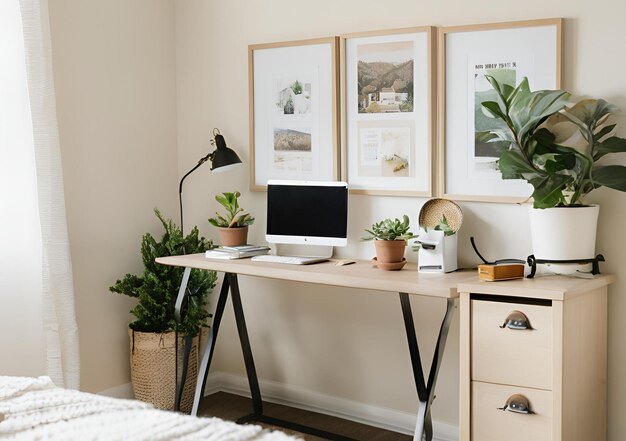
Small Space Decorating Ideas That Actually Work
Decorating a small space can feel like doing a jigsaw puzzle with missing pieces. You want it to look good, feel comfortable, and still function like a “real” home — without feeling cramped or cluttered.
There isn’t one perfect formula. The right small space decorating ideas depend on your layout, how you live, and what you care about most (storage, style, hosting, work-from-home, kids, pets, etc.). This guide walks through the main strategies that tend to work, plus the tradeoffs to think about so you can decide what fits your space.
What counts as a “small space” in interior design?
In everyday decorating, “small space” usually means you’re dealing with at least one of these:
- Limited square footage (studio apartments, tiny homes, compact condos, small bedrooms)
- Awkward layouts (narrow rooms, lots of doors, sloped ceilings)
- Multi-use rooms (living room + office, bedroom + nursery, kitchen + dining)
The exact measurements don’t matter as much as how the space feels and functions. A “small” room for one person might feel perfectly spacious to another, depending on:
- How much furniture you own
- How many people (or pets) share the space
- How much storage is built in
- How often you host guests or work from home
When designers talk about small space decorating, they usually focus on three goals:
- Function – Does everything you need to do have a place?
- Flow – Can you move around without bumping into things?
- Feeling – Does it feel calm, cozy, airy, or whatever mood you’re aiming for?
Most of the ideas below try to balance all three.
Core principles of decorating any small space
Before jumping into specific rooms, a few big-picture ideas tend to make the most difference.
1. Think “multi-purpose” instead of “single-purpose”
In a small space, almost everything works harder. Common examples:
- Sofa bed / daybed – Living room by day, guest room by night
- Storage ottoman – Coffee table, extra seating, and hidden storage
- Desk with drawers – Work zone and office supply storage
- Folding table or wall-mounted drop leaf – Dining surface that disappears
Variables to think about:
- How often you’ll switch the function (daily vs. rarely)
- Whether you’re okay moving things around each time
- Comfort level (for example, a sofa bed as a full-time bed isn’t for everyone)
2. Use vertical space instead of floor space
When floor space is tight, you “build up” instead:
- Tall bookcases instead of low, wide ones
- Wall-mounted shelves and hooks
- Over-door storage and high closet shelves
- Loft beds in very small bedrooms or studios
This helps keep the floor as open as possible, which almost always makes a room feel bigger.
3. Edit your stuff before you decorate
No decorating trick can fully compensate for too much stuff in too little space.
Some people thrive with a minimalist approach; others want cozy layers. Either way, it usually helps to:
- Group by category (books, clothes, kitchen gadgets, decor)
- Ask: Do I use it? Do I love it? Do I have space to store it?
- Decide what stays, what gets stored elsewhere, and what can go
Your tolerance for “visual busy-ness” really matters here. Some people are happy with full shelves and lots of color; others need bare surfaces to feel calm.
4. Aim for “visually light,” not empty
Small space decorating often works best when things look light rather than heavy:
- Furniture on legs (so you see more floor) tends to feel lighter than big boxy pieces
- Glass or acrylic tables visually “disappear” more than solid wood
- Open-back shelves feel lighter than closed cabinets (but show more stuff)
There’s a tradeoff: lighter-looking pieces can show more clutter, so you may need to pair them with good concealed storage.
Color and light: How they really affect small spaces
You’ll often hear “small rooms must be white.” That’s not a rule — it’s just one approach.
Light vs. dark colors in small rooms
Here’s how different color approaches usually play out:
| Color approach | How it tends to feel | When it can work well |
|---|---|---|
| Light neutrals | Airy, open, calm | Spaces with limited natural light or low ceilings |
| Mid-tone colors | Cozy, warm, more personality | When you want character without feeling cave-like |
| Dark, rich colors | Dramatic, cocoon-like, intimate | Small rooms you use at night (TV rooms, bedrooms) |
| High contrast | Energetic, bold, defined shapes | For people who like strong visual interest |
| Low contrast | Soft, seamless, “bigger box” feeling | To blur lines and make the room feel more spacious |
Variables to consider:
- Natural light: Dark colors can look flat in dim rooms unless you have layered lighting.
- Ceiling height: Dark ceilings can feel cozy; light ceilings can feel taller.
- Your personality: Some people love a moody small room; others feel boxed in.
Simple color strategies that usually work
- Paint walls, trim, and doors in similar tones to reduce visual breaks.
- Use one main color palette throughout a small home for a more unified feel.
- Add color mostly through textiles and decor (pillows, rugs, art) if you like to switch things up without repainting.
Furniture placement: Making the most of every inch
How you arrange furniture matters as much as what you buy.
1. Float furniture… sometimes
Pushing everything against the walls can make a room feel like a waiting room. Often, it works better to:
- Float a sofa a bit off the wall with a narrow console table behind it.
- Use a rug to define a living area in an open-plan space.
- Put a small bistro table slightly off-center in a kitchen instead of cramming it into a corner.
That said, in very tight rooms, you may need some wall-hugging. The sweet spot is usually:
- Leaving a clear walking path
- Avoiding odd dead corners where nothing fits
2. Respect walking paths
Think about how you move through the space:
- From the door to the sofa
- From the bed to the bathroom
- From the kitchen to the table
Try to avoid:
- Coffee tables you have to constantly squeeze around
- Chairs that block door swings
- Storage you can’t easily reach without moving other pieces
If you’re unsure, use painter’s tape on the floor to “map out” where pieces will go before buying.
3. Use fewer, better-sized pieces
One common small-space mistake is using lots of tiny furniture, which can make everything feel cluttered.
Often, it’s more effective to have:
- One appropriately sized sofa instead of several small chairs
- One larger rug instead of several little mats
- One good-sized dresser instead of many small storage units
The key factor is scale: pieces should fit comfortably with space around them, not wall-to-wall.
Storage that doesn’t wreck your decor
Storage is where small space decorating lives or dies. The trick is balancing open and closed storage.
Open vs. closed storage: what’s the difference?
| Storage type | Pros | Cons |
|---|---|---|
| Open shelves | Easy access, display opportunity, airy look | Shows clutter quickly |
| Closed cabinets | Hides mess, clean lines, calmer visually | Can feel heavier or bulkier in small rooms |
| Mixed units | Flexible, balance of display and hidden | Needs more planning to look cohesive |
Variables that matter:
- How organized you realistically are day-to-day
- Whether you like seeing collections (books, decor) or prefer minimal surfaces
- Whether the room doubles as a workspace, bedroom, or guest area
Smart small-space storage ideas
- Under-bed storage: Rolling bins, drawers, or a storage bed frame
- Over-toilet shelving: Common in small bathrooms
- Behind-door hooks: Coats, bags, robes, towels
- Bench with storage: Entryway or dining area seating + hidden storage
- Nesting tables: Side tables that tuck under each other
You’ll want to decide:
- Which categories must be hidden (paperwork, cleaning products, kids’ toys)
- Which categories you’re comfortable displaying (books, plants, pretty kitchenware)
Small living room decorating ideas that work
Living rooms often carry the most jobs: relaxing, working, hosting, sometimes even sleeping.
Seating that suits how you live
Some options and their typical pros/cons:
| Seating type | Best for… | Tradeoffs |
|---|---|---|
| Loveseat / small sofa | 1–2 people daily use | Limited lounging space |
| Sectional (small-scale) | Lounging, movie nights | Can dominate a small room if oversized |
| Sofa + armchair | Flexible layouts, hosting | Needs more floor space |
| Daybed / futon | Guests + lounging | May not be as comfortable as a true sofa |
Variables:
- How many people live there
- Whether you host often
- Whether someone might sleep there regularly
Coffee tables and surfaces
In small living rooms, many people skip a big coffee table and use:
- Nesting tables or two small side tables
- A storage ottoman with a tray on top
- A narrow bench as a movable table
You’re weighing:
- Surface area vs. walking space
- Storage needs vs. a lighter, airier look
Small bedroom decorating: storage vs. serenity
Bedrooms in small homes often double as closets, workspaces, or nurseries.
Choosing the right bed setup
Common choices:
- Standard bed + under-bed storage
- Storage bed (drawers built into the base)
- Loft bed (desk or storage underneath)
- Wall bed / Murphy bed (bed folds up into cabinet)
What usually matters most:
- Whether this is your primary everyday bed or an occasional guest bed
- How much ceiling height you have (for lofts)
- How often you’re okay folding/unfolding (for Murphy or sofa beds)
Nightstands and clothing storage
- If floor space is tight, wall-mounted shelves can stand in for nightstands.
- In some cases, one larger dresser can store more (and look cleaner) than several small ones.
- Over-the-door organizers or additional closet rods can dramatically increase clothing storage without new furniture.
Making small kitchens and dining areas work
Kitchens are all about function first, but design still matters.
Storage in a small kitchen
Common strategies:
- Use verticals: Pot racks, high shelves, magnetic knife strips
- Declutter aggressively: Extra gadgets take up prime space
- Drawer dividers and organizers: Make every inch count
- Slim storage carts: Slide between fridge and wall if you have a gap
Your cooking style is a key variable:
- Frequent cooks may prioritize more counter space and equipment.
- Infrequent cooks may be fine with a simpler setup and less storage.
Eating in a small space
Some approaches:
- Drop-leaf or gateleg table: Expands for guests, folds for daily life
- Counter stools at a breakfast bar or peninsula
- Wall-mounted table that folds down when needed
- Coffee table dining (common in studio apartments for casual meals)
What you’ll want to weigh:
- How often you eat at a table vs. sofa
- Whether you entertain more than 1–2 guests regularly
- How much floor space you can dedicate to dining full-time
Small bathrooms: storage, mirrors, and light
Bathrooms are usually the smallest rooms, but they still need to work hard.
Simple bathroom upgrades that help
- Over-toilet shelving or cabinets for towels and toiletries
- Medicine cabinet with mirror instead of a flat mirror
- Hooks instead of towel bars to fit more towels in less space
- Shower caddies that hang from the showerhead or tension rods
Mirrors and lighting matter a lot here:
- Larger mirrors can make a tiny bathroom feel much bigger.
- Multiple light sources (ceiling + vanity) usually work better than one dim fixture.
Decorating a studio or open-plan small space
Studios and open layouts have unique challenges: no clear room borders and often no separate bedroom.
Creating “zones” without walls
Room dividers don’t have to be solid walls. Common options:
- Rugs to mark living vs. sleeping vs. dining areas
- Open shelving units as see-through dividers
- Curtains to enclose a sleeping area
- Sofa backs to define where the living area starts
Here, you’re balancing:
- Privacy vs. openness
- Light flow vs. separation
- Visual calm vs. wanting each area to have its own style
Keeping it cohesive
In a studio, everything is visible at once, so:
- Sticking to a limited color palette can help it feel unified.
- Repeating materials (wood tones, metals, fabrics) across zones ties things together.
- Keeping clutter controlled in just one area can still affect how the whole space feels.
Decor, art, and textiles: personality without clutter
Small spaces don’t have to be plain. The goal is usually edited personality, not zero personality.
Art and wall decor in small rooms
A few approaches that tend to work:
- One larger piece over the sofa or bed instead of many tiny frames
- Gallery wall kept to one area to avoid visual chaos everywhere
- Vertical arrangements to draw the eye upward in rooms with low ceilings
Variables:
- Whether you want calm or energetic walls
- How many “focal points” you’re comfortable seeing at once
- Your tolerance for hanging and patching holes (especially in rentals)
Textiles: rugs, curtains, and bedding
- Rug size: Larger rugs (that go at least under front legs of furniture) often make a room feel bigger than lots of small mats.
- Curtain height: Hanging curtains higher and wider than the window can make windows look larger.
- Bedding and pillows: Simple bedding with a few standout pillows can feel finished without overwhelming the room.
Lighting: the underrated small-space tool
Lighting can completely change how big or small a room feels.
Layered lighting basics
Instead of relying on a single overhead fixture, many small spaces benefit from:
- Ambient lighting – general fill light (ceiling fixtures, floor lamps)
- Task lighting – for reading, cooking, working (desk lamps, under-cabinet lights)
- Accent lighting – to highlight art or create mood (string lights, picture lights)
In tight spaces, think about:
- Wall-mounted lamps to save nightstand or floor space
- Clip-on or plug-in sconces if you can’t hardwire
- Dimmable bulbs to shift between bright work light and softer evening light
Your habits matter:
- Night owls may prioritize warm, cozy lamps.
- Work-from-home setups may need strong task lighting at desks or tables.
How to decide which small space ideas are right for you
Not every tip will fit every home or lifestyle. When you’re choosing which ideas to try, it can help to ask three simple questions:
What are the top 2–3 jobs this room must handle?
(Sleeping, working, playing, hosting, exercising, storing gear, etc.)What do I personally need to feel good in a space?
(Calm and minimal? Colorful and eclectic? Lots of seating? Big table?)What’s my realistic daily behavior?
- Will I actually fold the bed into the wall every morning?
- Will I keep open shelves tidy enough that they don’t stress me out?
- Will I move a table out from the wall each night?
From there, you can:
- Prioritize multi-purpose pieces that support your top room “jobs”
- Choose a color and storage style that matches your personality and habits
- Plan a furniture layout that protects your most-used walking paths
The decorating ideas above are tools, not rules. The combination that “works” depends on how you live, what you own, and what makes you feel at home in your small space.