Best Outdoor Security Lights for Home Safety & Security
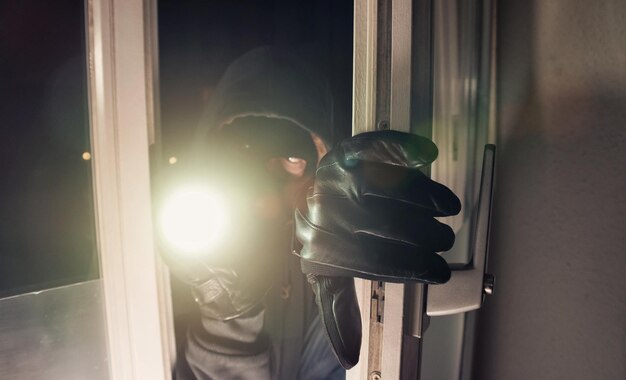
Outdoor security lights are one of the simplest ways to make your home feel safer. They can deter intruders, help you see who’s outside, and reduce trips and falls in the dark. But “best” depends heavily on your home, your budget, and your comfort with wiring and tech.
This guide walks through the main types of outdoor security lights, how they work, and the tradeoffs so you can tell what might fit your situation — without anyone trying to sell you a specific product.
What are outdoor security lights, really?
Outdoor security lights are exterior lights designed specifically to improve safety and deter unwanted activity. They usually combine:
- Bright lighting to remove hiding spots
- Smart controls like motion sensors, dusk-to-dawn sensors, or timers
- Weather-resistant housings designed for outdoor use
They’re used around:
- Entry doors and garages
- Driveways and walkways
- Backyards and side yards
- Sheds, gates, and fences
How security lighting helps with safety & security
Security lighting typically improves Home Safety in two main ways:
Deterrence
Bright, sudden light makes a space less appealing for someone who doesn’t want to be noticed. Neighbors, cameras, and you can see more clearly.Visibility and accident prevention
Good lighting reduces the odds of tripping, falling, or misjudging steps and obstacles when it’s dark.
Lighting alone can’t guarantee safety, but it’s a core piece of a broader Safety & Security setup, alongside locks, cameras, and good habits.
Main types of outdoor security lights (and how they differ)
You’ll see outdoor security lights grouped in a few key ways. Understanding these categories makes it easier to sort through the noise.
1. Motion-activated security lights
These lights turn on automatically when they detect movement within a certain range and angle.
How they work
- A motion sensor (often a passive infrared or “PIR” sensor) detects changes in heat and movement
- The light turns on for a set time (often adjustable)
- Many let you adjust:
- Sensitivity (how easily they trigger)
- Duration (how long the light stays on)
- Detection area (via sensor angle and placement)
Pros
- Only on when needed → can save energy
- Strong “surprise” deterrent when the light suddenly pops on
- Less light pollution than always-on lighting
Cons
- Can trigger from pets, passing cars, or wind-blown plants if not adjusted correctly
- Brief on-time may not be ideal for long visits or lingering outside
Best suited when:
- You want automatic, hands-free lighting
- You have areas you don’t use constantly (side yards, driveways, gates)
2. Dusk-to-dawn (always-on) security lights
These are photosensor-controlled lights that switch on at dusk and off at dawn, staying lit all night.
How they work
- A light sensor measures ambient light
- When it gets dark enough, the light turns on automatically
- It shuts off at sunrise (or as daylight increases)
Pros
- Constant, predictable lighting
- No fumbling for switches
- Good for areas where you want stable light all night (front entrances, walkways)
Cons
- Uses more energy than motion-only lighting
- Can contribute to light pollution if very bright and widespread
Best suited when:
- You want continuous visibility (for steps, porches, or high-traffic paths)
- You don’t mind lights staying on all night
3. Combination motion + dusk-to-dawn lights
Some fixtures combine both: a low-level or standby brightness all night, then full brightness on motion. Others act as dusk-to-dawn lights with a setting that can flip them into motion-only mode.
Pros
- Balances constant visibility with extra bright light when movement is detected
- Highly flexible: often multiple modes and settings
Cons
- More settings = more to configure
- Usually more expensive and slightly more complex to choose/adjust
Best suited when:
- You want a “layered” security effect — general illumination plus motion pop
4. Hardwired vs. solar vs. plug-in security lights
The power source is one of the biggest practical differences.
Hardwired (wired into your electrical system)
Pros
- Reliable power — no batteries to charge or replace
- Often supports higher brightness and multiple fixtures
- More permanent and usually cleaner-looking
Cons
- May require an electrician, especially if adding new wiring
- Higher upfront complexity and cost
Typical uses
- Garages, main entrances, permanent coverage areas
Solar-powered security lights ☀️
Pros
- No wiring; easier DIY install
- Useful where running power is hard or expensive
- Operating cost is generally low
Cons
- Dependent on sun exposure (shade and cloudy weather can reduce runtime/brightness)
- Often use batteries that may weaken over time
Typical uses
- Fences, sheds, remote corners of the yard, rental properties (easier to remove)
Plug-in security lights
Pros
- Simply plug into an outdoor-rated outlet
- No hardwiring; can be DIY-friendly
Cons
- Limited by outlet locations and cord routing
- Cords must be weather-safe and not a trip hazard
Typical uses
- Temporary setups, rentals, or where an outlet is conveniently located
5. Smart vs. simple (traditional) security lights
Smart security lights 🧠
These connect to Wi‑Fi or a smart home hub and offer app control and automations.
Common smart features:
- Control lights from your phone
- Schedules and scenes (e.g., “Vacation mode” randomization)
- Integration with cameras, doorbells, or alarms
- Voice control with assistants (depending on the ecosystem)
Pros
- High customization and integration with Home Safety & Security systems
- Can adjust without climbing ladders to flip switches or tweak modes
Cons
- More complex to set up
- Often pricier
- Dependent on a stable network and apps
Simple, non-smart security lights
- Controlled by switches, built-in sensors, or timers
- No apps, no Wi‑Fi, fewer potential points of failure
- Typically more straightforward for anyone uncomfortable with tech
Key factors that influence which outdoor lights are “best” for you
There is no single “best outdoor security light” that fits everyone. Your home layout, local environment, and priorities matter a lot.
Here are the main variables to think through.
1. Your goals: deterrence vs. convenience vs. visibility
Deterrence-focused (you mostly want to discourage intruders)
- Bright motion-activated lights aimed at entry points and dark corners
- Possibly combined with visible cameras or signs
Safety/visibility-focused (you’re worried about falls and navigating at night)
- Dusk-to-dawn lighting on steps, walkways, and doorways
- Softer, even lighting often works better here than intense “spotlights”
Balanced (a bit of both)
- Combination lights or a mix: constant low lighting with motion-boosted lights in higher-risk areas
You don’t have to choose one approach for your entire property; many people mix types.
2. Brightness and coverage (without going overboard)
You’ll often see brightness listed in lumens (a measure of total light output). Instead of chasing the highest number, think about:
Area size
- Small porch, single doorway → modest brightness may be fine
- Large yard or driveway → brighter or multiple fixtures
Beam angle
- Spotlight beams are narrow and far-reaching:
- Good for focusing on a driveway, gate, or one entry point
- Floodlight beams are wide:
- Better for broad coverage of patios or yards
- Spotlight beams are narrow and far-reaching:
Neighbor impact and glare
- Overly bright or poorly aimed lights can:
- Shine into neighbors’ windows
- Blind you or others when approaching
- Shielded fixtures and thoughtful aiming can reduce glare
- Overly bright or poorly aimed lights can:
Brightness needs vary by property type and local lighting conditions. If you already live in a well-lit area, you may not need extreme brightness.
3. Location, mounting, and angles
Where and how you mount your lights affects how well they work.
Height
- Too low → easily tampered with, narrower coverage
- Too high → can create harsh shadows or light that doesn’t reach where you need it
Aim
- Avoid pointing directly into windows or at eye level
- For motion sensors, aim where people would walk across the field, not directly toward or away from it, for better detection
Obstructions
- Trees, fences, or architectural features can block light or sensors
- For solar lights, panels need decent sunlight exposure during the day
Weather exposure
- Coastal or harsh climates may benefit from higher corrosion resistance and sturdy materials
4. Power and installation reality
Your comfort with tools, your budget, and your property type matter.
Homeowners with access to electrical changes
- Can consider hardwired systems for permanence and reliability
- Might bundle lighting with other electrical work to reduce overall hassle
Renters or those avoiding electrical work
- May lean toward plug-in or solar solutions
- Look for fixtures that can be installed with minimal drilling or permanent modifications
DIY comfort level
- Basic installations (replacing an existing fixture) may feel manageable for many
- New wiring, complex circuits, or unclear electrical panels are often better left to qualified electricians
5. Local environment and climate
Very cold or very hot climates
- Battery performance (for solar) can vary
- Materials may expand/contract, affecting seals and durability
Wet or snowy regions
- Look for fixtures with appropriate weather ratings (often described with terms like “suitable for wet locations”)
- Fixtures should be designed to prevent water pooling and snow buildup
Urban vs. rural
- Rural: very dark surroundings → may want stronger, broader lighting for safety
- Urban: already some ambient light → may be able to use less intense fixtures
Common terms you’ll see when comparing security lights
Understanding the jargon helps you compare options on your own terms.
| Term | What it means in plain English |
|---|---|
| Lumens | How bright the light is overall. Higher = brighter. |
| Wattage | How much power the light uses, not how bright it is by itself. |
| Color temperature (K) | How “warm” (yellowish) or “cool” (bluish) the light looks. |
| PIR sensor | Motion sensor that detects changes in heat/movement. Common in security lights. |
| Beam angle | How wide the light spreads from the fixture. |
| IP rating | How well the fixture resists dust and water (e.g., splashproof vs. more sealed). |
| Dusk-to-dawn | Automatically turns on at night and off in the morning. |
| Smart / Wi‑Fi enabled | Can connect to your network for app control, schedules, and integration. |
You don’t need to obsess over every spec, but these terms help you spot meaningful differences.
Examples of how different homes might choose differently
Here’s how the same “Best Outdoor Security Lights” question can lead to very different answers depending on circumstances.
Small city home with close neighbors
Priorities often include:
- Not blinding neighbors
- Lighting walkways and entrances clearly
- Avoiding excessive light pollution
Possible approach:
- Modest-brightness dusk-to-dawn lights near front steps and back door
- Carefully aimed motion-activated light in the backyard to avoid shining into neighboring windows
Suburban single-family home
Typical concerns:
- Multiple entry points (front door, garage, back door, side gate)
- Mix of safety and deterrence
Possible approach:
- Hardwired motion-activated floodlights covering driveway and backyard
- Softer, always-on porch light for the front entrance
- Optional smart integration if already using smart cameras or doorbells
Rural property with large yard or outbuildings
Challenges:
- Very dark surroundings
- Multiple zones (house, barn, sheds, long driveway)
Possible approach:
- High-mounted floodlights for large areas
- Solar motion lights on sheds, gates, or remote corners where wiring is impractical
- Possibly higher brightness overall due to distance and darkness
Renter in an apartment or townhouse
Limitations:
- May not be allowed to modify wiring or mount permanent fixtures
- Still want to feel safer coming and going at night
Possible approach:
- Plug-in motion lights for balconies or patios if outdoor outlets exist
- Solar lights with non-permanent mounting (e.g., clamps, railing mounts) where allowed
- Battery or plug-in lights inside pointed through windows to illuminate immediate outside areas (if permitted and practical)
How to evaluate outdoor security lights for your own home
You don’t need to become a lighting expert. But asking yourself a few focused questions can help.
1. What do you need this light to do?
- Light my doorway so I can see my keys and steps
- Light my driveway or yard so I can see people or activity
- Startle or deter someone who approaches
- Help friends or delivery drivers find the house
Your primary goal helps determine whether motion, dusk-to-dawn, or a combination makes sense in each spot.
2. Where exactly will it go?
For each location (front door, garage, back gate, etc.) ask:
- Is there already an electrical fixture or outdoor outlet?
- Does the area get direct sun (if considering solar)?
- Could the light shine into neighbors’ windows or street traffic?
- Are there trees, eaves, or corners that might block the light or sensors?
A quick walk around your home at night helps you spot dark corners and see how existing street or porch lights affect your property.
3. How much tech do you want to deal with?
Comfortable with apps, Wi‑Fi, and settings?
- Smart lights or integrated systems might be appealing.
Prefer simple and low-maintenance?
- Basic motion and dusk-to-dawn fixtures with manual switches and dials may be enough.
There’s no right answer; it’s about your tolerance for setup and ongoing fiddling.
4. How much installation work are you realistically willing to handle?
Happy to hire an electrician for a clean, permanent setup?
- Hardwired fixtures can be a strong choice.
Prefer quick, DIY-friendly solutions?
- Solar and plug-in options reduce complexity, especially for renters.
Safety matters here: if you’re unsure about electrical work, a qualified electrician or maintenance professional is typically the safer route.
5. Any local rules to consider?
Depending on where you live, there may be:
- HOA rules about exterior lighting brightness or style
- Municipal rules on light trespass or where lights can point (to limit glare and skyglow)
- Building codes related to electrical work outdoors
Checking these ahead of time can prevent headaches later.
Putting it all together
“Best Outdoor Security Lights” doesn’t mean one brand or model. It means:
- Matching light type (motion, dusk-to-dawn, combination) with your goals
- Choosing power source (hardwired, solar, plug-in) that fits your property and comfort with install
- Considering brightness, coverage, and neighbor impact
- Deciding how much smart control you actually want
Once you’re clear on those pieces, comparing specific lights becomes far more straightforward. You’ll know which features are truly important for your Safety & Security priorities — and which ones are just marketing.
From there, it’s about looking at individual options, reading the fine print on features, and deciding what lines up best with your own home, habits, and sense of security.