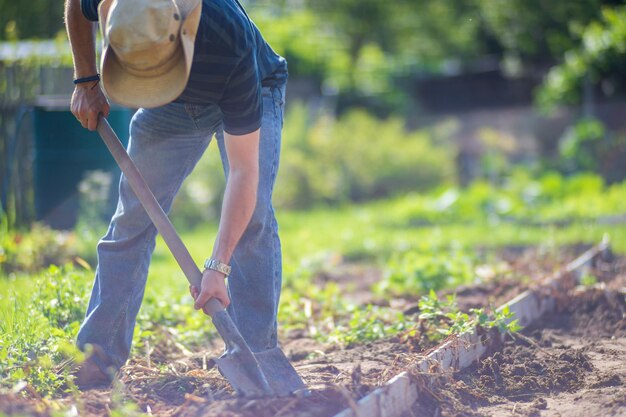
Best Natural Ways to Kill Weeds in Your Lawn & Garden
If you’re trying to control weeds without harsh chemicals, you’re not alone. Many people want a yard that looks good, is safer for kids and pets, and is easier on the environment. The challenge is that “natural” weed control isn’t one single thing — it’s a toolbox of methods, each with pros, cons, and better or worse fits for different yards.
This FAQ walks through the main natural ways to kill weeds, how they work, and what to think about before you try them.
What does “natural weed control” actually mean?
In everyday language, natural weed control usually means:
- Avoiding synthetic chemical herbicides (like many commercial sprays)
- Using physical, mechanical, or biological methods
- Using common household or naturally derived products (like vinegar or mulch)
You’ll see a few terms:
- Organic: In gardening, this often means avoiding synthetic chemicals and using methods allowed under organic standards. However, not everything “natural” is automatically “organic certified” or safe in all amounts.
- Non-selective: Kills most plants it touches (weeds and desirable plants).
- Selective: Targets certain types of plants (for example, broadleaf weeds in a lawn) while sparing others.
- Pre-emergent: Stops weed seeds from sprouting.
- Post-emergent: Kills or damages weeds that are already growing.
Most natural methods are non-selective and post-emergent (they kill or damage what you apply them to, when they’re already up and growing).
What are the main natural ways to kill weeds?
Here are the broad categories you’ll see:
- Physical removal (hand-pulling, tools)
- Smothering and mulching
- Heat-based control (boiling water, flame weeding)
- Acid-based sprays (household vinegar, stronger horticultural vinegar)
- Household mixtures (like vinegar + salt + dish soap)
- Corn gluten meal and other pre-emergent options
- Improving soil and lawn health to crowd out weeds
None of these is a magic bullet. Most people use a mix of methods, depending on where the weeds are and how many.
How do I choose the best natural method for my situation?
What works “best” depends on variables like:
- Where the weeds are
- Lawn, vegetable bed, flower bed, gravel path, driveway cracks, patio, around trees, etc.
- Type of weeds
- Annuals (grow for one season) vs. perennials (come back year after year)
- Shallow vs. deep taproots
- Size of the problem
- A few scattered weeds vs. a yard that’s mostly weeds
- Your constraints
- Time and energy for hand work
- Kids or pets using the space
- Local rules (sometimes affecting open flame, for example)
- Tolerance for a “less than perfect” yard
Here’s a simple comparison:
| Situation / Goal | Often-Used Natural Approaches* |
|---|---|
| A few weeds in garden beds | Hand-pulling, digging tools, mulching |
| Weeds in driveway cracks / sidewalks | Boiling water, flame weeding, strong vinegar, scraping tools |
| Weedy vegetable beds before planting | Smothering (tarps/cardboard), shallow cultivation, mulching |
| Weeds in lawn | Hand-weeding, long mowing, overseeding, improving soil, spot treatments |
| Preventing future weeds in beds | Thick mulch, smothering, careful watering, landscape fabric (selectively) |
| Large, overgrown area | Mowing/weed whacking, smothering (tarps), gradual soil improvement |
*These are typical patterns, not one-size-fits-all instructions.
Are natural weed killers always safer?
Natural methods often reduce exposure to synthetic chemicals, but they’re not automatically risk-free. A few examples:
- High-strength vinegar (acetic acid) can burn skin and eyes.
- Flame weeding carries a fire risk.
- Salt can damage soil and nearby plants long-term.
- Boiling water can cause severe burns if spilled.
The “right” choice depends on how you weigh risk, effort, and results for your space. Safety still matters, even with natural tools.
FAQ: Best Natural Ways To Kill Weeds
1. Does pulling weeds by hand really work?
Yes, hand-pulling is one of the most reliable natural ways to control weeds, especially if:
- You pull before they go to seed
- You remove the entire root (especially for deep-rooted perennials)
- You repeat the process as new weeds appear
Pros:
- No products needed
- Very precise — you can leave nearby plants alone
- Safe for kids, pets, and beneficial insects 🐞
Cons:
- Time-consuming, especially in large areas
- Tougher for people with back, knee, or hand issues
- Some weeds break off easily; roots can regrow
Tools can help, like:
- Dandelion diggers for taproot weeds
- Weeding knives for cracks and edges
- Stand-up weed pullers to reduce bending
This approach often works best when the weed problem is manageable in size or you’re focusing on specific spots, like around cherished plants or in a small garden.
2. How does mulching help kill or prevent weeds?
Mulch is a layer of material spread on top of the soil. Common natural mulches include:
- Wood chips or shredded bark
- Straw (not hay, which often contains seeds)
- Leaves
- Compost
- Grass clippings (thin layers)
Mulch works in two main ways:
- Blocks light so weed seeds are less likely to sprout
- Makes it harder for small weeds to push through
Over time, organic mulches also improve soil structure as they break down.
Best practices:
- Use a thick enough layer to block light (often a couple of inches or more, depending on material)
- Keep mulch a bit away from plant stems and tree trunks to avoid rot
- Pull or cut down existing tall weeds first so mulch can actually cover them
Mulch is especially helpful in:
- Vegetable beds
- Flower beds
- Around trees and shrubs
- Pathways (with coarse mulches like wood chips)
It’s more preventive than curative. If your beds are already filled with big, established weeds, you may need to cut or pull them first, or use smothering.
3. What is smothering, and when does it work best?
Smothering means blocking light and air from weeds with:
- Cardboard
- Newspaper (in multiple layers)
- Landscape fabric
- Opaque tarps or plastic sheets
This can:
- Kill many existing weeds
- Weaken persistent roots by denying light over time
- Create a cleaner surface for planting later
Typical use cases:
- Converting a weedy lawn area into a garden bed
- Cleaning up neglected areas where pulling everything would be overwhelming
Common approach:
- Cut or mow weeds as low as possible.
- Lay down cardboard or several layers of newspaper, overlapping edges.
- Wet layers to help them stay in place.
- Cover with mulch or soil.
- Let it sit for weeks to months, depending on weed toughness and climate.
Smothering is usually a slower but less labor-intensive method for large areas. Deep-rooted perennials or very tough weeds may still survive and need spot treatment later.
4. Does boiling water really kill weeds?
Yes. Boiling water poured directly onto weeds can damage or kill them by:
- Destroying plant cells on contact
- Scalding young and shallow-rooted plants enough that they don’t recover
It works best on:
- Weeds in driveway cracks, sidewalks, and patio joints
- Small, young weeds close to the surface
Pros:
- Uses only water
- Very inexpensive
- No chemical residue
Cons:
- Non-selective — it will damage any plant it touches
- Risk of burns while carrying or pouring
- Less effective on deep-rooted perennials (they may regrow)
If someone uses this method, they’d typically:
- Use a kettle or pot with a controlled spout
- Pour slowly right at the base of the weed
- Avoid areas with nearby desirable plants
This is more of a spot-treatment method, not something to use over large areas of lawn or garden beds.
5. What is flame weeding, and is it safe?
Flame weeding uses a propane torch to apply brief bursts of high heat to weeds. The idea is not to burn the plant to ashes, but to:
- Rupture plant cells so the weed wilts and dies
It can be effective on:
- Young weeds in driveways, gravel, or between pavers
- Weeds in rows of vegetables (with careful technique and timing)
Pros:
- Fast for certain areas
- No chemical residues
- Can reach tight spaces
Cons:
- Obvious fire risk, especially in dry or windy conditions
- Not allowed or recommended in some regions
- Can damage desirable plants and mulch
- Less effective on deep-rooted perennials (they often regrow)
If someone is considering flame weeding, they’d need to think about:
- Local regulations and fire danger
- Having water or an extinguisher nearby
- Keeping flame away from buildings, dry leaves, and mulch
- Wearing proper protective gear
This is often used in non-flammable areas like gravel driveways, but it’s not a casual tool for everyone.
6. Can vinegar kill weeds naturally?
Yes, vinegar can kill or damage many small weeds, especially in bright sun. But the details matter.
There are two main types people talk about:
- Household vinegar (usually low acetic acid concentration)
- Horticultural vinegar (much stronger acetic acid, often marketed for weed control)
They work by:
- Burning plant tissues on contact, mainly the leaves
- Causing the plant to dry out and die back, particularly effective on young, tender weeds
Key points:
- Works best on small, annual weeds
- Often non-selective — it will damage any plant it touches
- Can be less effective on established, deep-rooted perennials (they may regrow from roots)
Safety considerations:
- Stronger vinegar solutions can cause eye, skin, and lung irritation or burns
- Spraying on windy days can cause drift to other plants and to people or pets
If someone chooses to use vinegar-based sprays, they typically:
- Apply on dry, sunny days for better results
- Use spot spraying directly on weed leaves
- Avoid spraying around sensitive or desirable plants
Because of the strength and potential for injury, horticultural vinegars need just as much caution as many commercial weed killers, even though they’re “natural.”
7. What about DIY mixes like vinegar, salt, and dish soap?
You’ll often see recipes with vinegar + salt + dish soap promoted as a natural weed killer.
- Vinegar: Burns leaf tissue
- Salt: Can dry out plants and roots
- Dish soap: Helps the mixture stick to leaves (a “surfactant”)
These mixtures can brown and kill the tops of many weeds, particularly small annual ones.
Important cautions:
- Salt doesn’t just go away. In higher amounts, it can build up in soil, making it harder for any plants (even desirable ones) to grow there later.
- Non-selective — anything you spray can be damaged.
- The long-term soil impact can be much worse than with some other “natural” methods.
Because of the soil effects, many gardeners limit salt-based solutions to:
- Cracks in sidewalks or driveways
- Areas where they don’t want anything to grow in the future
If preserving soil health is a priority, people often skip the salt entirely and stick with other methods.
8. Can corn gluten meal prevent weeds?
Corn gluten meal (CGM) is a byproduct of processing corn. Gardeners sometimes use it as a natural pre-emergent for lawns and beds.
How it’s thought to work:
- Interferes with root formation in germinating seeds
- If timed correctly, sprouting weed seeds may fail to establish
Reality check:
- Timing is critical. It must be applied before weed seeds germinate.
- It can’t tell the difference between weed seeds and desirable seeds — so it may interfere with grass seed or flower seed if used at the wrong time.
- Results vary widely depending on climate, soil type, weed types, and application rates.
Some people find it helpful as one part of a weed management plan, especially in lawns, but it’s rarely a complete solution on its own.
9. Is there a natural way to kill weeds in my lawn without killing the grass?
Truly selective natural herbicides (that only kill broadleaf weeds and not grass) are limited. Most “natural” options are non-selective, so they harm grass too.
Instead, many people focus on making the lawn itself strong enough to crowd out weeds, using:
- Mowing higher: Longer grass shades soil, making it harder for weed seeds to sprout.
- Overseeding thin spots: More grass plants = less room for weeds.
- Improving soil health: Aeration, compost topdressing, proper watering.
- Hand-weeding problem areas: Especially for larger or deep-rooted weeds.
Natural spot treatments (like vinegar or boiling water) can be used carefully, but they typically kill both weed and surrounding grass where they touch.
If keeping a flawless, weed-free lawn is the top priority, some people find they need at least some level of selective herbicide, which may not fit everyone’s “natural” or “organic” goals. That’s a personal tradeoff each person has to consider.
10. Do natural methods work on tough, deep-rooted weeds?
Deep-rooted perennials with strong root systems (like dandelions, thistles, or certain invasive grasses) are harder to kill with surface treatments.
With natural methods, success often depends on persistence:
- Digging out as much root as possible
- Cutting or damaging regrowth repeatedly to exhaust the root
- Smothering with layers of cardboard/mulch in beds or unused areas
- Improving competition (healthy turf or dense plantings)
For some very aggressive or invasive species, even natural approaches may require several seasons of steady effort. Each person has to decide how much time they’re willing to invest versus how quickly they want results.
11. Which natural weed control method is best for pets and kids?
Many people choose natural methods specifically because of pets and children.
Safer-feeling options often include:
- Hand-pulling and digging
- Mulching and smothering
- Improving lawn health (mowing higher, overseeding)
- Boiling water, used carefully and only when kids and pets are away until cooled
Extra caution is still wise with:
- Strong vinegars
- Salt-containing mixes
- Flame weeding
- Any product labeled with warning or hazard symbols
If pets chew plants or dig in soil, it’s reasonable to be careful about anything that can build up in the soil or cause irritation on contact.
12. How long do natural weed control methods last?
Durability varies a lot by method and conditions:
- Hand-pulling: Lasts until new seeds sprout or roots resprout.
- Mulch: Suppresses weeds for weeks to months; often needs refreshing.
- Smothering: Can drastically reduce weeds for a season or more, but edges and gaps will still get new seeds over time.
- Boiling water / flame / vinegar: Usually short-term on the surface; deep roots can resprout.
- Corn gluten meal: Acts only as long as it remains active in the topsoil and only for new seeds.
Weed seeds can remain in soil for multiple years, and new seeds blow in every season. Natural weed control is almost always an ongoing process, not a one-time fix.
13. How can I reduce weeds naturally in the long run?
The most powerful “natural weed control” is often changing the conditions that favor weeds in the first place:
- Keep soil covered: Bare soil invites weeds. Use plants, cover crops, or mulch.
- Water wisely: Drip irrigation or soaker hoses target plant roots and give fewer weeds in pathways.
- Build healthy soil: Compost and organic matter can support stronger plants, which outcompete weeds.
- ** Plant densely**: In beds, tighter spacing (within reason) can shade soil and reduce weed space.
- Deal with seeds: Cut or pull weeds before they flower and set seed.
- Be realistic: A yard with zero weeds is unusual without heavy chemical use. Many people aim for “fewer weeds” instead of “no weeds.”
14. What should I consider before choosing a “best” natural method?
Each person’s “best” choice depends on how they balance:
- Effectiveness: How much reduction in weeds they hope to see, and how fast.
- Effort: How much time and physical work they can put in.
- Safety: Comfort level with heat, acids, or substances like salt.
- Location: Lawn vs. beds vs. pavement vs. around edible plants.
- Soil health: Whether they want to protect or rebuild soil life.
- Local rules: Especially if considering open flames or strong products.
Natural weed control is usually about combining several approaches:
- A foundation of mulch, smothering, and healthy plants
- Spot-treating trouble areas with more direct methods
- Accepting that some ongoing maintenance will always be part of having a living, low-chemical yard 🌱
Understanding how each method works — and its limits — makes it easier to choose the mix that fits your own lawn, garden, and goals.