Container Gardening for Small Spaces: A Practical Getting-Started Guide
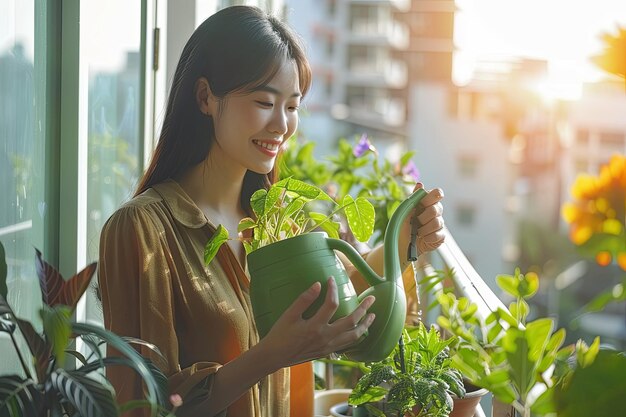
Container gardening is exactly what it sounds like: growing plants in pots, boxes, and other containers instead of directly in the ground. For small spaces—balconies, patios, porches, windowsills, even inside near a sunny window—it can turn a concrete corner into something green and useful 🌿.
This guide walks through the basics, the trade-offs, and the main decisions you’ll need to make so you can figure out what makes sense for your own space and lifestyle.
What Is Container Gardening, Really?
In simple terms, container gardening means:
- Plants grow in portable containers instead of garden beds
- You control the soil, water, and often even the location (you can move pots as light changes)
- It can work outdoors or indoors, as long as the plant’s basic needs are met
For small spaces, the big appeal is flexibility. You can:
- Use vertical space (walls, railings, shelves)
- Grow on hard surfaces (balconies, decks, steps)
- Rearrange or remove containers if your needs change
The trade-off is that plants in containers depend on you more for water and nutrients than plants in the ground. That’s manageable for many people, but it’s worth understanding before you start.
Is Container Gardening Right for Your Space?
Container gardening can work in a lot of different situations, but the experience will feel different depending on your setup.
Key variables that shape your options
The main factors that influence what and how you can grow:
- Sunlight: How many hours of direct sun does your space get?
- Exposure: Windy balcony, shaded porch, hot south-facing wall, etc.
- Space type: Balcony, windowsill, shared yard, front steps, indoor only
- Weight limits: Apartment balconies and roof decks sometimes have restrictions
- Access to water: Nearby faucet vs. carrying watering cans from the kitchen
- Time and energy: How often you realistically want to water and maintain
Different small-space starting points
Here’s how container gardening often looks for different situations:
| Situation | What’s Usually Possible | Common Challenges |
|---|---|---|
| Sunny balcony or patio | Herbs, flowers, compact veggies, small shrubs | Wind, weight limits, hot reflected light |
| Shaded porch or north-facing | Shade-loving flowers, foliage plants, some herbs | Fewer options for fruiting plants |
| Only windowsills (indoor) | Small herbs, succulents, a few compact houseplants | Limited sunlight, over/underwatering |
| Shared outdoor space / doorstep | Decorative containers, some herbs or small edibles | Theft, pets, kids, HOA/landlord rules |
| Very limited mobility / time | A few low-maintenance pots, self-watering containers | Watering and pruning can feel like a lot |
None of these are “good” or “bad” conditions—just different. Your setup will shape your plant choices and container style.
Types of Containers: What They Are and How They Differ
Almost anything that holds soil and drains water can be a container, but the material and shape influence how your plants behave.
Common container materials (and what they mean for you)
| Material | Pros | Cons / Trade‑offs |
|---|---|---|
| Plastic | Light, inexpensive, holds moisture well | Can overheat in strong sun, may fade over time |
| Terracotta | Attractive, breathable for roots | Dries out faster, heavier, can crack in freezing |
| Ceramic | Decorative, stable, often heavy (good in wind) | Price, weight, risk of cracking if dropped |
| Fabric bags | Lightweight, foldable, good drainage and aeration | Dry out quickly, may need saucers under them |
| Wood | Natural look, good for boxes/planters | Can rot over time; needs drainage holes |
| Metal | Durable, sleek look | Can heat up in sun; may need inner liner |
Key concept: drainage.
Whatever you choose, containers must have drainage holes so extra water can escape. Otherwise, roots sit in water, which leads to rot and unhappy plants.
If you’re using decorative pots without holes, people often:
- Plant in a plastic pot with drainage and set it inside the decorative container, or
- Add drainage holes themselves (only when it’s safe for the material and allowed in your housing situation)
Size and depth: why they matter
In small spaces, it’s tempting to go with the tiniest pots, but size affects:
- Root space: Larger pots give roots more room, which generally means healthier plants.
- Watering frequency: Small containers dry out quickly; larger ones stay moist longer.
- Stability: Taller or top-heavy plants tip over in pots that are too small or light.
In general:
- Herbs and small flowers do well in shallow to medium containers
- Tomatoes, peppers, and larger vegetables prefer deeper and wider containers
- Shrubs or dwarf trees need large, deep planters to be happy long-term
You don’t have to memorize exact dimensions; the idea is simply: bigger roots = bigger pot.
Soil, Not Dirt: What to Put in Your Containers
The material you put in your containers is usually called potting mix or container mix, not garden soil.
Why potting mix is different from garden soil
- Lighter and fluffier so roots can easily grow and breathe
- Drains better, which helps prevent root rot
- Often includes ingredients like peat, coconut coir, compost, perlite, and bark
Garden soil from the ground is usually:
- Too dense and heavy for containers
- Packed with weed seeds or pests
- Poorly drained in small, enclosed pots
For small-space gardening, a general-purpose potting mix works for most people. There are also specialty mixes (for succulents, orchids, etc.), but for starting out, focusing on a quality, all-purpose mix is enough.
Fertilizer: why containers need extra nutrients
In the ground, nutrients can be replenished naturally. In containers, nutrients:
- Wash out when you water
- Get used up by the plant over time
Most container gardeners rely on:
- Slow-release fertilizer mixed into the soil at planting time, and/or
- Liquid fertilizer added to water periodically during the growing season
How often and how much depends on:
- The plant type (heavy feeders like tomatoes vs. low-demand herbs)
- The potting mix you start with
- How often you water (more watering = more nutrients washing out)
You don’t have to become a fertilizer expert; just know that container plants usually need some feeding beyond what’s in the potting mix.
Light, Water, and Temperature: The Big Three
Plants in containers have the same basic needs as plants in the ground, but the way you meet those needs is a little more hands-on.
Light: matching plants to your conditions
Plant tags and descriptions usually use a few standard terms:
- Full sun: About 6 or more hours of direct sunlight daily
- Part sun / part shade: Roughly 3–6 hours of direct sun
- Shade: Less than 3 hours of direct sun or only filtered light
In small spaces, you may have:
- A sun-baked balcony (great for many herbs and veggies, but hot and dry)
- A shaded porch (better for foliage plants and shade-tolerant flowers)
- Just indoor windowsills, where intensity and direction of light really matter (south- or west-facing windows usually get more direct light in many regions)
Knowing your light level helps you choose plants that are likely to be comfortable, instead of fighting nature.
Water: the biggest day-to-day factor
Container plants depend on you for water; they can’t reach deeper moisture like in-ground plants. How often you need to water depends on:
- Container size (smaller dries out faster)
- Material (terracotta and fabric dry faster than plastic)
- Weather (hot, sunny, windy days dry pots quickly)
- Plant size and type (big, leafy plants drink more)
Common patterns:
- In cool or mild weather, you might water every few days
- In hot, sunny conditions, some containers may need daily watering
Typical signs of water issues:
- Too dry: Soil pulls away from edges, leaves wilt or droop
- Too wet: Soil stays soggy, leaves yellow and may drop, roots rot
Some people invest in self-watering containers (with a built-in water reservoir) to make watering more forgiving. Others simply use larger pots, water deeply, and check soil with a finger a few centimeters down before watering again.
Temperature and wind: small spaces can be extreme
Containers heat up and cool down faster than the ground, especially on balconies and decks.
- Dark-colored pots in hot sun can overheat roots
- Wind can dry containers quickly and stress plants
- In cooler climates, containers may freeze more quickly in cold spells
Depending on where you live and what you grow, you may need to:
- Shift pots out of intense afternoon sun during heat waves
- Group containers together to create shelter
- Protect tender plants from cold snaps or treat some plants as seasonal
What Can You Grow in Containers?
You can grow a surprising range of plants in containers, but some are easier for small spaces than others.
Common categories of container-friendly plants
Herbs
- Examples: basil, mint, thyme, parsley, chives, rosemary
- Generally compact, forgiving, and useful in the kitchen
- Many do well on balconies, patios, and sunny windowsills
Leafy greens & small veggies
- Examples: lettuce, spinach, radishes, bush beans, compact peppers
- Require more regular watering and feeding
- Full-sun spaces usually get better yields
Larger fruiting plants (with compact varieties)
- Examples: patio tomatoes, dwarf cucumbers, compact eggplant
- Do best with deeper pots, staking or cages, and consistent care
- More sensitive to lack of sun and inconsistent watering
Flowers and ornamentals
- Examples: petunias, geraniums, begonias, pansies, ornamental grasses
- Good for visual impact and color
- Light needs vary widely; there are options for sun and shade
Foliage and houseplants
- Examples: ferns, snake plants, pothos, coleus
- Often more tolerant of lower light (especially indoors)
- Good for people more interested in greenery than harvests
Small shrubs and dwarf trees
- Examples: dwarf boxwood, small evergreens, compact citrus (in some climates)
- Require bigger containers and more long-term commitment
- Often better for people with a bit more space and experience
You don’t need to grow everything. Many small-space gardeners start with a few herbs and flowers, then experiment with veggies once they’re comfortable with the basics.
Designing a Small-Space Container Garden
You don’t have to be a designer to make your small space look and feel good. A few simple ideas can help.
Thinking in three dimensions
Small spaces benefit from vertical thinking:
- Hanging baskets from sturdy hooks or railing brackets
- Narrow wall planters or vertical garden pockets
- Shelves with multiple tiers of pots
- Tall plants in the back and trailing plants in front
This helps you get more plants into a small footprint without everything feeling cluttered.
Grouping plants with similar needs
Mixing plants in the same container is popular, but it works best when the plants have:
- Similar light needs (all want sun, or all want shade)
- Similar water and feeding needs
For example:
- A pot with basil, parsley, and chives (all like sun and regular moisture)
- A container with succulents (all prefer bright light and less frequent watering)
- A shady box with ferns and shade-loving flowers
Combining a desert cactus with a moisture-loving fern in one pot, on the other hand, tends to make at least one of them unhappy.
Starting Small: A Simple Step-by-Step Overview
Here’s a basic process you might adapt, depending on your situation:
Observe your space
- Notice where the sun hits and for how long
- Note wind exposure and where you have flat surfaces for containers
- Check any building or community rules about weight, railing planters, or water drainage
Decide your main goal
- Fresh herbs for cooking?
- A few colorful flowers?
- Trying vegetables?
- Mostly greenery and mood-boosting plants?
Choose a few starter containers
- 2–5 containers is manageable for many beginners
- Aim for at least medium-sized pots for each plant, not tiny ones for everything
- Make sure every container has drainage
Get appropriate potting mix
- A general-purpose potting mix works for most herbs, vegetables, and flowers
- Specialty mixes only if you’re growing plants with special needs (like succulents)
Select plants suited to your light
- Match “full sun” plants to your sunniest space
- Use shade-tolerant plants where you have limited or no direct sun
- Start with easier, more forgiving plants until you get a feel for things
Plant and water thoroughly
- Cover drainage holes loosely (with a small piece of mesh or a shard of broken pot) so soil doesn’t wash out, but water can escape
- Fill with potting mix, leaving space at the top so water doesn’t spill over
- Water until you see moisture coming out of the drainage holes
Check in regularly
- Feel the soil before watering again: if the top couple of centimeters are dry, it’s probably time
- Watch for signs of stress: yellowing leaves, drooping, scorched edges
- Adjust placement if a plant is clearly struggling with too much or too little light
From there, you can slowly add more containers, try new plant types, or upgrade to different setups as your confidence grows.
Common Challenges in Small-Space Container Gardening
Almost everyone runs into a few of these at some point:
Overwatering or underwatering
- Containers dry out fast, but it’s also easy to “love plants to death” by watering too often
- A simple rule of thumb many people use: water when soil feels dry a bit below the surface, not just on top
Crowding too many plants in small pots
- Plants often look small at first and then explode with growth
- When pots are overcrowded:
- Plants compete for water and nutrients
- Airflow is reduced, making disease more likely
- Spacing guidelines on plant tags give a general idea of mature size, even for containers
Ignoring weight and stability
- Large pots full of wet soil are heavy
- On balconies and railings, weight limits and stability matter
- Tall, narrow pots or ones with top-heavy plants can tip over in wind
Expecting farm-level harvests from tiny containers
- Container gardens can produce herbs, greens, and even some veggies
- Yields are usually more modest than in-ground beds, especially with limited sun and small containers
- Many people find it more satisfying to think of container gardening as:
- A way to have fresh herbs and a few favorite veggies
- A source of beauty and connection to nature, not a full grocery replacement
How to Think About Your Own Container Garden Plan
Because every space and person is different, there isn’t one “right” way to start. You can, however, ask yourself a few questions to shape your own approach:
What kind of light do I actually have, most days of the year?
This helps you narrow down plant choices.How much time do I want to spend watering and maintaining?
Daily, every few days, or “only when I remember” will lead you toward different plants and container sizes.How permanent is my space?
If you might move soon, portable containers and fewer long-term plants (like shrubs or small trees) may suit you better.What matters more to me: looks, harvest, or low effort?
Some people are happiest with a few easy, pretty plants. Others are motivated by herbs and vegetables, even if they need more care.
Once you’re clear on your own limits and goals, the details—what to plant, what size containers, how many pots—become much easier to sort out. You don’t need a perfect plan from day one; container gardening is very forgiving of learning as you go 🌱.