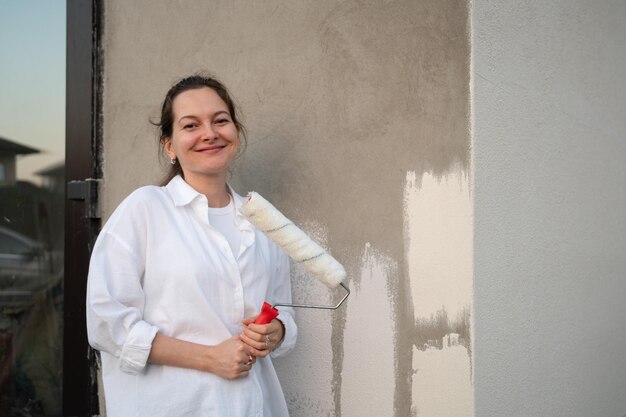
DIY Accent Wall Ideas for Every Style (That You Can Do in a Weekend)
A DIY accent wall is one of the quickest ways to change the feel of a room without fully renovating. In a day or two, you can add color, texture, or pattern that makes a space feel more finished and personal.
This guide walks through practical accent wall ideas for different styles, what each involves, and the key choices you’ll need to make for your own home.
What Is a DIY Accent Wall, Really?
An accent wall (sometimes called a feature wall) is a single wall that’s treated differently from the others in a room. That difference might be:
- Color (bolder, darker, or simply different)
- Material (wood, wallpaper, stone, etc.)
- Texture (molding, slats, brick, limewash)
- Pattern (stripes, herringbone, geometric designs)
Most weekend-friendly DIY accent walls are:
- Done on one existing wall (no demo)
- Built with paint, trim, or surface materials
- Focused on visual impact, not structural changes
The “right” accent wall depends on your style, budget, skill level, and whether you’re renting or own your home.
Key Decisions Before You Start Any Accent Wall
Before you pick a style, it helps to think through a few basics:
| Factor | What It Affects | Questions to Ask Yourself |
|---|---|---|
| Room size & light | Color depth, texture, materials | Is the room bright or dim? Small or spacious? |
| Wall condition | Prep time, which ideas will look good | Are there dents, texture, weird angles, vents? |
| Skill level | Complexity of design | Are you comfortable with a saw? Only want paint? |
| Time & energy | How elaborate you can be in a weekend | One afternoon? Full weekend? Multiple people helping? |
| Budget | Material choices | Is this a low-cost refresh or a “mini remodel”? |
| Permanence | Rental-friendly vs. long-term installation | Can you nail into walls? Need removable options? |
You don’t need perfect answers. You just need a rough sense so you’re not halfway through a project that’s bigger than you wanted.
1. Easy Painted Accent Walls (Minimal Tools, Maximum Impact)
If you’ve got paint, tape, and a roller, you have what you need for a basic accent wall. This is often the fastest “weekend project” option.
A. Solid Color Accent Wall
Best for: Almost every style – modern, traditional, boho, farmhouse, minimalist.
What it is: One wall painted a different color from the rest of the room.
How it works:
- Choose a wall that already feels like a focal point: behind a bed, sofa, TV, or dining table.
- Pick a color that fits your existing palette:
- For calm spaces: soft greens, blues, warm grays
- For drama: navy, charcoal, deep green, near-black
- For playful rooms: corals, mustard, teal, dusty pink
Variables that matter:
- Light: Dark walls soak up light; they can feel cozy in a well-lit room or heavy in a dark one.
- Room shape: Painting the shortest wall dark can make it feel closer (cozier) and the room squarer.
- Sheen: Matte hides flaws; eggshell is easier to clean.
Typical steps:
- Clean and patch holes.
- Tape edges and trim.
- Cut in around edges with a brush.
- Roll 1–2 coats until coverage is even.
This is about as simple as accent walls get but still makes a big difference.
B. Color-Blocked or Two-Tone Walls
Best for: Modern, Scandinavian, kids’ rooms, playful or artsy spaces.
What it is: Two or more colors on the same wall, divided by a crisp line or shape.
Common approaches:
- Horizontal split (e.g., bottom half color, top half white – like faux wainscoting)
- Vertical block for a “zone,” such as behind a desk
- Arched shape 🌈 above a bed, crib, or reading nook
- Diagonal split for a more graphic, modern feel
Variables to think about:
- Height of divide: Around chair rail height can mimic architecture; higher can make ceilings feel lower.
- Contrast: High-contrast (navy + white) is bold; low-contrast (beige + warm white) is subtle.
- Line quality: Clean lines require careful taping and patience.
Typical impact: Adds a designer feel with little extra cost beyond a second can of paint.
C. Painted Patterns: Stripes, Checkerboard, or Murals
Best for: Eclectic, boho, cottage, and creative spaces.
Options:
- Stripes: Vertical to emphasize height, horizontal for a cozier, longer feel.
- Checkerboard: Large squares, usually in tone-on-tone colors, for a vintage or cottage look.
- Simple mural: Abstract shapes, rainbow arcs, sunbursts, or mountains.
What affects difficulty:
- Precision: Measuring and taping straight stripes or grids takes patience.
- Scale: Larger shapes and stripes are more forgiving than tiny, repeated patterns.
- Contrast: High contrast shows any wobbles more clearly.
If you’re not into measuring, freehand, soft-edged murals can be more forgiving and still very stylish.
2. Wood Accent Walls: Warm, Textured, and Customizable
Wood (or faux wood) adds texture and depth, not just color. These projects usually need a saw and a nail gun or adhesive, so they’re a half-step up from paint.
A. Board and Batten (or Box Grid) Walls
Best for: Traditional, transitional, farmhouse, modern classic styles.
What it is:Vertical or box-shaped trim pieces attached to the wall and painted over, creating depth and pattern.
Common styles:
- Vertical board and batten: Evenly spaced vertical strips.
- Box/grid pattern: Large rectangles or squares over the wall.
- Picture frame molding: More ornate, with thinner trim in frames.
Variables to consider:
- Wall condition: Texture or bumps can show; some people skim-coat first, others don’t mind slight imperfections.
- Scale of boxes: Larger boxes feel more modern; smaller, more traditional.
- Height: Full wall vs. lower portion with a cap rail.
Weekend factor: Planning and cutting take time, but a simple layout is often doable over a weekend if you’re comfortable with tools.
B. Slat Walls and Fluted Effects
Best for: Modern, Scandinavian, Japandi, mid-century-inspired rooms.
What it is:Narrow wood strips (slats or dowels) lined up tight or with small gaps, vertically or horizontally, often behind a TV or bed.
Impact: Adds strong texture and a high-end, architectural look.
Key choices:
- Material: Real wood, MDF, or pre-made slat panels.
- Orientation:
- Vertical slats emphasize height and feel more modern.
- Horizontal slats can feel more casual or coastal.
- Finish: Natural wood, stain, or painted.
Complexity variables:
- You’ll typically need to:
- Cut slats to length
- Space them consistently (spacers help)
- Attach with nails or construction adhesive
This can be a full-weekend job, especially on a large wall.
C. Shiplap and Planked Walls
Best for: Farmhouse, coastal, cottage, rustic.
What it is: Horizontal boards or shiplap-style planks creating long, continuous lines across the wall.
Visual effect:
- Makes small rooms feel wider when the boards run horizontally.
- Feels cozy, casual, and textured.
Variables that matter:
- Real shiplap vs. faux:
- Real boards or tongue-and-groove panels
- Faux using thin plywood strips with small gaps
- Painted vs. natural:
- White or soft neutrals feel beachy and airy.
- Dark colors make a stronger, more dramatic statement.
If your walls are very uneven, gaps may show; some people like that rustic look, others don’t.
3. Wallpaper, Stickers, and Peel-and-Stick Accent Walls
These are powerful options if you want pattern or texture but prefer to avoid saws and heavy tools.
A. Traditional or Non-Pasted Wallpaper
Best for: Bold patterns, vintage looks, dramatic powder rooms.
What it is: Paper or vinyl rolls applied with adhesive.
What affects your experience:
- Pattern repeat: Larger or busy patterns can hide seams better, but matching them takes patience.
- Wall condition: Smooth walls work best. Textured walls can show through and make adhesion tricky.
- Longevity: Traditional wallpaper is more “permanent” and messier to remove.
This can still be a weekend project, but it usually takes more focus and prep than paint.
B. Peel-and-Stick Wallpaper
Best for: Renters, decor commitment-phobes, kids’ rooms, accent nooks. 🏠
What it is: Removable sheets that stick like large decals.
Pros:
- No paste, often removable without major damage.
- Tons of patterns: florals, geometrics, faux brick, faux wood, murals.
Cons / variables:
- Surface: Adheres best to smooth, clean walls (not heavy texture).
- Application: Lining up panels and smoothing bubbles takes patience.
- Lighting: Shiny or thin materials may show wall imperfections.
If you might move or change your mind soon, this is one of the most flexible accent wall options.
C. Wall Decals and Stickers
Best for: Nurseries, kids’ rooms, rentals, or very low-commitment changes.
What it is: Individual stickers (stars, dots, flowers, shapes) or large decals (trees, maps, characters).
Impact factors:
- Density: Sparse decals give a light, whimsical feel; denser placement can mimic wallpaper.
- Scale: Larger decals become focal art; smaller ones read as pattern.
- Removability: Most are designed to peel off, but wall finish quality affects how cleanly they come off.
These are some of the fastest “accent wall” options if you just want a wall to feel special, not structurally different.
4. Textured and Limewash Walls: Soft, Subtle Drama
Not every accent wall has to be bold or patterned. Some people prefer soft, lived-in texture that feels high-end but calm.
A. Limewash and Mineral Paint Effects
Best for: European farmhouse, wabi-sabi, Mediterranean, minimal-but-cozy styles.
What it is: Special paints or finishes that dry with a cloudy, tonal, textured look rather than a flat, solid color.
Visual feel:
- Gentle variation in color, like plaster or old stone.
- Softer edges and a sense of age or depth.
Variables:
- Product type: True limewash vs. “faux” limewash effects from regular paint.
- Application technique: Brush strokes, cross-hatching, or ragging change the look.
- Color: Soft neutrals feel subtle; deeper tones are dramatic but still more nuanced than flat paint.
Skill-wise, this is less about perfection and more about embracing variation, which can be a plus if you don’t like fussy taping.
B. Faux Concrete or Plaster-Look Walls
Best for: Industrial, modern, loft, minimalist.
What it is: Paint techniques (sometimes with joint compound or specialty products) to mimic concrete or plaster.
Impact factors:
- Texture level: Light texture is easier to live with; heavy texture is bold but harder to undo.
- Color: Cool grays feel industrial; warmer grays and beiges feel softer.
- Durability: Some textures are more prone to chipping if bumped.
These projects can still be weekend-friendly on one wall, but drying times between layers may stretch the schedule.
5. Stone, Brick, and Faux Panels: High-Impact Feature Walls
If you want your accent wall to feel almost like a built-in architectural feature, stone and brick (real or faux) show up a lot in DIY projects.
A. Faux Brick Panels or Veneer
Best for: Industrial, farmhouse, urban loft, eclectic styles.
What it is:
- Panels: Large sheets with brick texture printed or molded.
- Veneer: Individual thin “brick” pieces adhered to the wall.
Key differences:
| Option | Pros | Considerations |
|---|---|---|
| Brick panels | Faster coverage, fewer seams | Can look less realistic up close |
| Brick veneer | More realistic look and feel | More time, more cuts, more grout/adhesive work |
Variables to consider:
- Color & finish: Red brick, whitewashed, or painted all give different moods.
- Wall weight tolerance: Veneer adds more weight; most interior walls handle it, but it’s something to be mindful of.
- Skill level: Panels are more beginner-friendly; veneer is a more involved project.
This is often more than “paint and done,” but still manageable as a weekend project if you plan carefully and keep the wall modest in size.
B. Stone Veneer Accent Walls
Best for: Rustic, lodge, traditional, Mediterranean, or “cozy fireplace” vibes.
What it is: Thin stone or stone-look pieces adhered to the wall, especially around fireplaces or TV walls.
Factors that vary:
- Type of stone: Stacked, ledgestone, rounded, or more uniform shapes.
- Color palette: Cool gray vs. warm beige vs. mixed tones.
- Grout or no grout: Tight-stacked stones look different from traditional grouted stone.
This is usually the least “quick and easy” of weekend accent walls, but it might still fit a weekend if:
- The area is small
- You’re comfortable cutting and adhering pieces
- You accept that cleanup and small adjustments may spill into extra time
6. Accent Wall Ideas for Different Styles and Rooms
Accent walls aren’t one-style-fits-all. Here’s a quick way to connect style preferences with typical accent wall choices:
| Style / Vibe | Common Accent Wall Choices |
|---|---|
| Modern minimalist | Solid dark paint, wood slats, limewash in neutral tones |
| Farmhouse / cottage | Shiplap, board and batten, soft color paint, floral wallpaper |
| Boho / eclectic | Bold wallpaper, murals, arch shapes, layered gallery walls |
| Scandinavian | Pale wood slats, soft neutrals, subtle two-tone paint |
| Industrial / loft | Brick (real or faux), concrete-look paint, dark color walls |
| Traditional | Picture frame molding, rich color, classic patterned wallpaper |
| Kids / playroom | Murals, decals, bright colors, geometric color blocking |
You don’t have to “follow the chart,” but it can help you narrow down ideas based on what you already like in your home.
7. How to Choose the Right Accent Wall for Your Space
Since every room and person is different, there isn’t one “best” idea. Instead, here are the variables you’ll want to weigh for yourself:
Your tolerance for bold vs. subtle
- Do you want the wall to shout (“this is the feature”) or just quietly add depth?
- Bold = strong colors, patterns, or texture.
- Subtle = tone-on-tone paint, soft limewash, simple trim.
Your living situation
- Renting: Consider peel-and-stick wallpaper, decals, or easily repaintable walls.
- Owning: More freedom for permanent changes like wood or stone.
Your skill comfort zone
- Only comfortable with basic tools? Paint and removable options are safer.
- Ready for a challenge? Wood trim, slat walls, or veneer might be in reach.
How the room is used
- Relaxing spaces (bedrooms, living rooms): People often prefer calmer colors and softer texture.
- Energizing spaces (offices, playrooms): Brighter colors or bold patterns can work well.
- High-traffic or messy areas: Consider durability and cleanability of the finish.
Light and size of the room
- Small, dark rooms can feel heavier with dark accent walls, but also cozier.
- Large, bright rooms can handle deeper colors and heavy textures more easily.
- Natural light direction (north/south/east/west) will change how colors read.
What’s on the wall
- Behind a TV? Busy patterns may compete with the screen.
- Behind a bed or sofa? It can handle more drama, since furniture breaks it up.
- Blank wall with nothing planned? The accent itself becomes the main focal point.
You don’t need perfect answers to all of these, but walking through them makes it easier to pick an idea that fits your home and your personality.
8. Common Accent Wall Mistakes to Watch For
A few patterns tend to cause regret:
Choosing a random wall instead of the natural focal point
(For example, painting the first wall you see when you enter, instead of the wall behind the bed or sofa.)Ignoring the rest of the room’s colors
An accent wall that clashes with your flooring, furniture, or trim can feel disconnected.Going too small or too busy for the room
Tiny patterns in a large room can look fussy. Oversized patterns in a tiny room can feel overwhelming if you’re sensitive to visual clutter.Not testing color or pattern first
Paint swatches or a single strip of wallpaper give a clearer sense of how the wall will look in your actual light.Underestimating prep and cleanup time
Especially for textured walls and wood projects, sanding, caulking, and filling nail holes can stretch beyond what people expect.
If you’re on the fence between two ideas, it’s often easier to start with paint or removable options and see how you like living with a bolder wall before committing to more permanent changes.
9. What You’ll Need to Evaluate for Your Own Weekend Project
To narrow down DIY accent wall ideas for your own space, you’ll want to:
- Identify the focal wall in the room (usually behind the main furniture piece).
- Look honestly at the wall’s condition (smooth, textured, damaged, lots of vents or doors).
- Decide your comfort level with tools (paint only, or willing to cut/nail wood?).
- Think about permanence (okay with patching later, or need easy removal?).
- Check light and existing colors in the room (floor, trim, furniture, fabrics).
- Choose your vibe (subtle texture vs. bold color or pattern).
- Match the project to your actual weekend (half-day vs. full two days, help vs. solo).
From there, you can usually narrow down to one or two approaches that suit your style:
- Fastest changes: Solid paint, decals, simple color block.
- Moderate effort, big payoff: Board and batten, slat walls, peel-and-stick wallpaper.
- Higher effort, architectural feel: Stone or brick veneer, heavily textured finishes.
Once you know where you fall on that spectrum, the “best” DIY accent wall idea becomes less about trends and more about what fits your room, your timeline, and how you actually like to live in your space.